Easy Easter Crafts for Babies and Toddlers
Have you ever tried handing a glue stick to a one-year-old? Let's just say it doesn't always end well. But here's the exciting news: Easter crafts for babies and toddlers don't have to be chaotic or stressful.
As a mom of five kids ranging from 8 months to 12 years, I've learned what actually works through plenty of trial and error. I remember my daughter's first Easter craft attempt—handprint chicks at 18 months old. Sure, we ended up with yellow footprints everywhere, but her joy was priceless.
In this guide, I'll share over 25 simple, safe Easter crafts for babies and toddlers designed for tiny hands and short attention spans. From no-mess sensory bottles to edible playdough bunnies, these projects support development while creating memories.
If you're looking for even more creative activities beyond the Easter season, check out my complete guide to crafts for kids of all ages. And if you're preparing for a new arrival or celebrating someone else's bundle of joy, my baby shower planning guide and baby registry checklist have everything you need to get started.
This post may have affiliate links, which means I may receive commissions if you choose to purchase through links I provide (at no extra cost to you). As an Amazon Associate, I earn from qualifying purchases. Read more about these links in my disclaimer policy.
Easter Crafts for Babies and Toddlers
Why Easter Crafts Are Perfect for Baby and Toddler Development
When my son was nine months old, I wasn't thinking about "developmental benefits" when we did our first Easter craft. But after teaching preschool for over a decade, I've seen how these simple activities transform little learners in surprising ways.
Sensory exploration is incredibly important for babies and toddlers. When your little one squishes paint in a ziplock bag or touches fluffy cotton balls, their brain is literally forming new neural connections. The different textures, colors, and materials stimulate multiple brain areas at once. I watched my nephew go from being terrified of getting his hands dirty at 14 months to diving into finger painting by his second birthday.
Fine motor skills get a serious workout during Easter crafting. Tearing paper for a chick collage strengthens tiny finger muscles. Sticking stickers onto eggs teaches precision and hand-eye coordination. Even picking up pom-poms with chunky tweezers builds skills they'll need for writing someday.
Here's what specific activities develop:
Pincer grip: Picking up small items, peeling stickers, tearing paper
Hand strength: Squeezing paint bottles, rolling playdough, crumpling tissue paper
Bilateral coordination: Holding paper with one hand while coloring with the other
Wrist rotation: Painting with daubers, stamping with potatoes
Hand-eye coordination: Placing items in specific spots
Easter's vibrant palette—bright pinks, yellows, greens, and purples—creates natural opportunities to teach color identification. My daughter shouted "PURPLE" every time she saw a lavender egg for three weeks straight. It stuck with her in a way flashcards never did.
The bonding time matters most. Sitting down for 10 minutes to make cotton ball bunnies forces you to be present. You're making eye contact, narrating what you're doing, and genuinely connecting. Building confidence through creation is real, even for babies. When my 11-month-old niece made a handprint, her whole face lit up—she realized she could create and affect her world.
Safety Considerations When Crafting with Babies and Toddlers
I learned some safety lessons the hard way—like the time my son ate half a glue stick in 30 seconds. It was non-toxic, thankfully, but that was my wake-up call about safety protocols.
Age-appropriate materials are essential. For babies under 12 months, stick with sensory experiences they can't ingest—sealed bottles, contact paper activities, and supervised handprints. Once they hit 12-18 months, introduce larger items like cotton balls and paper tearing. By age two, most toddlers can handle chunky crayons, large stickers, and supervised gluing.
Your non-toxic supplies checklist:
Melissa & Doug or Crayola washable paints (check the AP Certified label)
Elmer's washable school glue or glue sticks
Crayola Color Wonder markers for mess-free coloring
Natural food coloring for dyeing projects
Flour-based homemade playdough
Organic Easter grass without plastic coating
Thick construction paper and cardstock
Choking hazards are serious. Anything smaller than a toilet paper tube is a problem for kids under three. I've banned googly eyes, buttons, small beads, and rhinestones from my toddler craft supplies. Better to use jumbo pom-poms (2-inch ones), large feathers, and tissue paper.
Supervision is not optional. Never leave babies or toddlers alone during craft time. I position myself within arm's reach and keep my eyes on them constantly.
For allergy-friendly alternatives, skip traditional egg dyeing if there are egg allergies—use plastic eggs instead. For gluten sensitivities, make playdough with gluten-free flour or try cloud dough from oil and cornstarch.
My cleanup strategies start before crafting:
Cover surfaces with vinyl tablecloths or shower curtains
Put smocks or old t-shirts on kids (backwards so they can't pull them off)
Keep wet wipes within arm's reach
Set up a washing station nearby
Have garbage bags open and accessible
Edible craft options work great for babies who put everything in their mouths. I made Easter playdough from flour, salt, water, and food coloring for my son. Everything was safe to consume, which reduced my anxiety significantly.
No-Mess Easter Crafts for Babies (6-12 Months)
When my daughter was seven months old, I wanted to include her in Easter fun, but babies this age taste-test everything. These no-mess crafts saved my sanity.
Ziplock bag painting is genuinely brilliant. Squirt washable paint in Easter colors into a gallon freezer bag, seal it shut (use duct tape around edges), and tape it to a high chair tray. Babies squish the paint around and mix colors without getting messy. My daughter was mesmerized for 15 minutes. Add a drop of dish soap to make the paint slide around smoothly.
Contact paper sticky walls involve taping contact paper to the wall at baby height with the sticky side out. Give babies colorful tissue paper pieces to stick on. They'll pull them off and stick them back repeatedly. Cut the contact paper into an egg shape and use pastel tissue paper for Easter. Just supervise closely because some babies will try to eat the tissue paper.
Easter sensory bottles have saved me during church services and car rides. Fill clear plastic bottles halfway with water, add pastel pom-poms, Easter grass, small plastic eggs, and glitter. Seal the lid with hot glue or super glue really well. When babies shake the bottle, they work on cause-and-effect understanding.
Handprint and footprint keepsakes are sentimental gold. I have my kids' handprints from every Easter. Use washable paint and work quick—one swipe on their hand, press onto cardstock, done. Turn handprints into chicks by adding eyes and a beak later.
For more creative handprint craft ideas, check out our complete guide to preserving those tiny hand and footprints.
Textured Easter eggs for tactile exploration use egg shapes cut from cardboard with different textures glued on—soft fleece, bumpy corduroy, smooth satin ribbon, crinkly tissue paper, and fuzzy fake fur. Make sure everything is securely glued.
Musical egg shakers use plastic Easter eggs filled with rice, beans, or small bells. Seal them shut with hot glue and test them to ensure they're secure. Each egg makes a different sound.
Easter basket sensory bins work for supervised exploration. Fill a shallow container with paper Easter grass, fabric eggs, large pom-poms, and ribbon pieces. Sit with your baby and narrate what they're touching.
If you're planning baby's first Easter celebration, don't miss our guide to Easter basket ideas for babies with age-appropriate treats and toys.
Simple Easter Crafts for Young Toddlers (1-2 Years)
This age is my favorite because they're old enough to participate but young enough to have pure excitement about creating.
Tear and stick paper chicks let toddlers tear yellow construction paper into chunks, then use a glue stick to stick pieces onto a chick outline. This develops their pincer grip significantly. I add googly eyes and an orange beak afterward.

Cotton ball bunnies involve drawing a bunny outline and gluing cotton balls all over it. The cotton balls are big enough they're not a choking hazard, but supervise closely.
Easter egg potato stamping uses half a potato with a simple egg shape carved into it. Pour washable paint onto paper plates, let toddlers dip and stamp. The chunky potato is easier for little hands than a paintbrush.
Handprint bunny ears mean tracing your toddler's hands on construction paper, cutting them out, and gluing them to a paper plate as bunny ears. Date it and watch how much their hands grow each year.
Tissue paper carrot stuffing uses an orange construction paper triangle folded into a cone. Toddlers stuff crumpled green tissue paper into the top as "carrot greens."
Pom-pom Easter egg fill involves drawing egg outlines on paper and giving toddlers pom-poms (nothing smaller than a nickel) to place inside the outline.
Sticker scene Easter cards give toddlers cardstock folded in half and Easter stickers to create their own scenes. There's no wrong way to do it.
Paint dauber Easter eggs use chunky Do-A-Dot style markers on large egg outlines. The mess is contained and the grip is easy.
Interactive Easter Crafts for Older Toddlers (2-3 Years)
By age two, kids are ready for slightly more complex projects with multiple steps. If you're looking for more age-appropriate activities, our spring crafts for toddlers collection offers plenty of seasonal inspiration beyond Easter.
Paper plate Easter baskets start with a paper plate folded in half. Toddlers decorate it with markers, crayons, or stickers. Staple a construction paper strip as a handle once dry.
Egg carton caterpillars and bunnies transform recyclables. Cut egg carton cups, let toddlers paint them, then help assemble. For caterpillars, line up 4-5 cups and add pipe cleaner antennae. For bunnies, use one cup as the body and add a cotton ball tail.
Pasta necklace Easter eggs use dyed pasta in Easter colors. Cut egg shapes from cardstock, punch a hole at the top, and toddlers thread pasta onto yarn through the hole.
Coffee filter butterfly crafts let toddlers color coffee filters with washable markers, then spray or brush with water. The colors bleed together gorgeously. Pinch the center and twist a pipe cleaner around it for the body.
Cupcake liner flowers involve layering 2-3 flattened cupcake liners and gluing them onto paper with a green stem. Add a yellow circle or pom-pom in the center.
Fingerprint Easter scenes use washable ink pads in Easter colors. Toddlers make fingerprints, then you help turn them into chicks, bunnies, eggs, or flowers.
Playdough Easter creations use store-bought or homemade playdough in Easter colors for molding eggs, bunnies, and whatever their imagination creates. Add cookie cutters in Easter shapes.
Bunny mask decorating uses pre-cut bunny masks from paper plates that toddlers decorate with markers, cotton balls, and stickers. Cut eye holes and attach a popsicle stick or elastic.
Edible Easter Crafts for Taste-Safe Fun
These edible crafts work perfectly for persistent taste-testers.
Homemade Easter playdough recipe:
2 cups flour
1 cup salt
2 tablespoons cream of tartar
2 tablespoons vegetable oil
1.5 cups boiling water
Food coloring in Easter colors
Mix dry ingredients, add oil, carefully pour boiling water (away from kids), add food coloring, and stir until it forms a dough. The salt tastes terrible, so most kids try it once and never again.
Rice crispy nest treats involve melting butter and marshmallows, mixing in rice cereal, and pressing into muffin tin cups to form nests. Add candy eggs once cool.
Decorating hard-boiled eggs naturally uses beets for pink, turmeric for yellow, and blueberries for blue. Toddlers gently place eggs in different colors using a spoon.
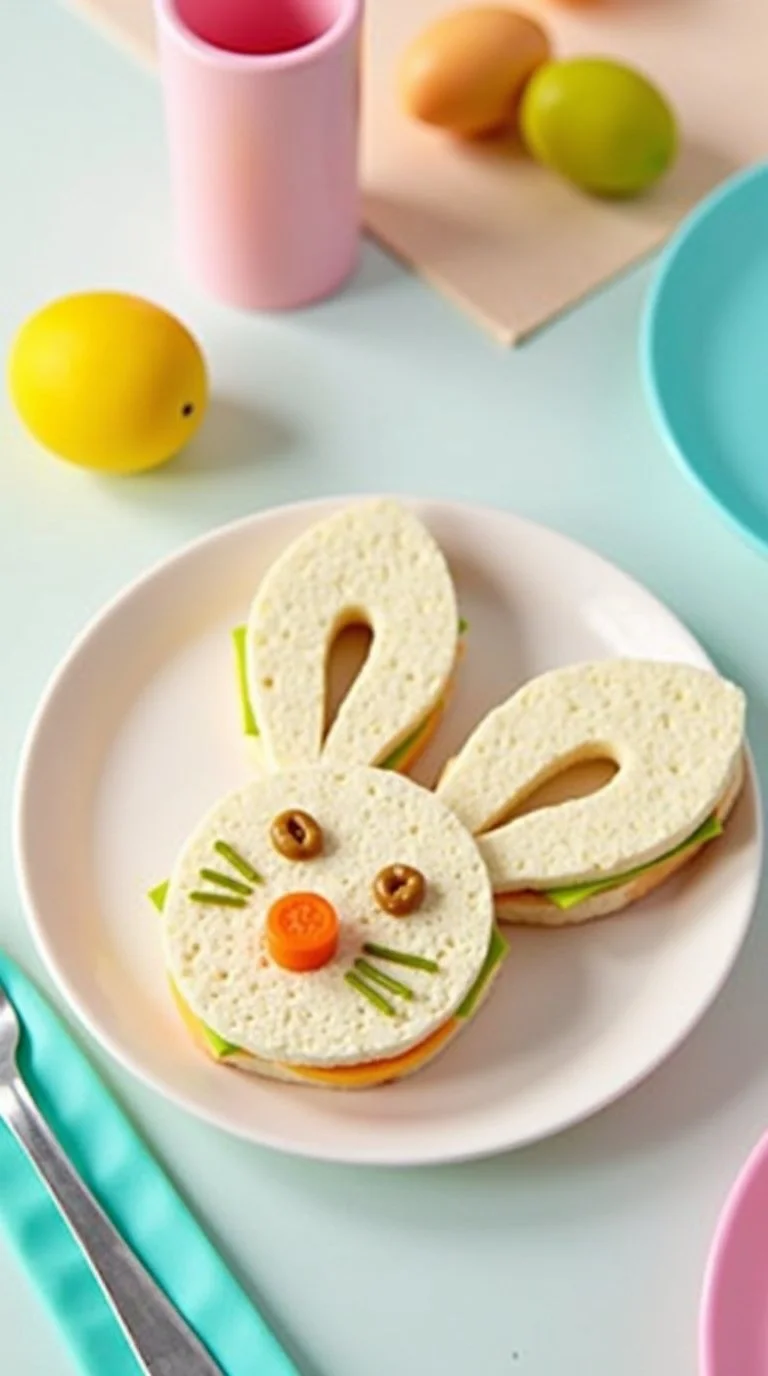
Bunny-shaped sandwiches cut sandwiches into circles, then cut one circle in half for ears. Arrange as a bunny face and add raisins for eyes and baby carrot for nose.
Easter cookie decorating uses large sugar cookies in egg or bunny shapes with simple frosting and sprinkles. Make extras because some will be more frosting than cookie.
Fruit kabob Easter eggs thread fruit chunks onto popsicle sticks (sharp point broken off). Arrange in color patterns if desired.
Yogurt parfait "dirt cups" layer vanilla or lemon yogurt with crushed graham crackers. Top with gummy worms or chocolate eggs.
Nature-Based Easter Crafts for Outdoor Fun
Getting outside during Easter season combines holiday fun with outdoor play benefits.
Flower petal Easter eggs use petals from spring flowers placed on contact paper sticky side, then sealed with another piece. Hang in windows for beautiful light.
Nature hunt Easter baskets involve collecting smooth rocks, sticks, moss, colorful leaves, flower petals, seed pods, and feathers, then using them for crafting at home.
Stick bunny crafts use three sticks—two for ears and one for the body—arranged in a Y-shape and tied or glued together.
Grass head Easter eggs fill eggshells with potting soil and plant grass seed on top. Water lightly daily and grass will sprout like crazy hair in about a week.
Rock painting Easter designs let toddlers paint smooth, flat rocks with Easter designs or abstract patterns. Use acrylic or washable paint.
Leaf print Easter cards paint one side of leaves and press onto cardstock like stamps. The veins transfer creating beautiful natural prints.
Bird nest creation provides grass, twigs, Easter grass, and yarn pieces for toddlers to build their own nests. Add small eggs when done.
Mess-Friendly Easter Crafts (With Easy Cleanup Tips)
Some crafts are messy, and that's fine. The key is preparation. If you're comfortable with a little mess, check out our collection of fun crafts that encourage creative exploration.
Shaving cream Easter eggs involve spraying shaving cream into a shallow pan, adding food coloring drops, and letting toddlers swirl with a stick. Press cardstock egg shapes into the swirled cream—the marbled pattern transfers.
Watercolor resist Easter art draws designs with white crayon (invisible), then toddlers paint over with watercolors. The crayon resists the paint, revealing the drawings magically.
Bubble wrap bunny printing cuts bunny shapes from bubble wrap, tapes to a block, and uses as a stamp with paint.
Splatter paint Easter eggs give energetic toddlers paper with egg outlines and tools for splattering—toothbrushes, straws, or paintbrushes. Best done outdoors.
Finger painting Easter scenes set up washable finger paints in Easter colors. Cover the table and let them create freely.
Cleanup station setup:
Fill a bucket with warm soapy water within reach
Have multiple washcloths or wet wipes handy
Keep trash bags open and nearby
Set up a "rinse station" with a towel
Take photos to remember the chaos fondly
Group Easter Crafts for Playgroups and Daycare
Running crafts with multiple toddlers requires specific strategies. If you're organizing activities for multiple children, our preschool crafts guide offers excellent group-friendly projects.
Collaborative Easter mural tapes huge butcher paper to the wall or floor. Everyone creates on the same surface with markers, crayons, or paint daubers simultaneously.
Easter egg hunt craft stations set up 4-5 different simple crafts—sticker cards, cotton ball bunnies, paint dauber eggs, playdough creations, and stamp painting. Toddlers rotate through at their own pace.

Bunny ear headband assembly line pre-cuts ears from construction paper. Kids decorate their ears, then adults assemble onto headbands.
Easter card making table provides pre-folded cardstock, stickers, stamps, ink pads, markers, and pre-cut shapes. Kids create cards for whoever they want.
Group sensory table fills a large bin with Easter grass, plastic eggs, scoops, and buckets. 3-4 toddlers play simultaneously.
Easter basket decorating party gives each kid a cheap basket with stickers, ribbon, markers, and pom-poms for decorating.
Photo booth prop crafting pre-cuts large prop shapes from cardboard—bunny ears, carrots, eggs. The group decorates them, then takes photos holding their props. For adorable photo inspiration, see our guide to baby's first Easter photo ideas.
Frequently Asked Questions
What age is appropriate to start doing Easter crafts with my baby?
Start around 6 months with sensory experiences like handprints. By 9-12 months, try bag painting or contact paper activities. At 12-15 months, most can do basic tear-and-stick crafts with help.
How do I keep Easter crafts safe for babies who put everything in their mouth?
Use edible materials like homemade flour playdough and food-based dyes. Try enclosed crafts like sensory bottles with super-glued lids. Always supervise closely and avoid small items like googly eyes or beads for babies under 18 months.
What are the easiest no-mess Easter crafts for toddlers?
Ziplock bag painting (paint sealed inside), sticker scenes, paint daubers, and contact paper collages. Pre-cut shapes eliminate scissors cleanup.
How long should Easter craft activities last for toddlers?
Plan for 5-15 minutes. Have multiple quick projects ready and follow their lead—some days they'll focus longer, other days just briefly.
Can I do Easter egg dyeing with babies and toddlers?
Yes—use natural dyes from beets, turmeric, or blueberries. Give toddlers hard-boiled or plastic eggs with individual dye stations. For babies under 18 months, stick with handprint eggs on paper.
What should I do with all the Easter crafts my toddler makes?
Display a few temporarily, photograph them, mail to grandparents, or repurpose as gift tags. Keep one or two special pieces per season. The experience matters more than keeping everything.
How can I make Easter crafts educational for my toddler?
Count egg shapes, identify colors, and describe actions: "You're squeezing the glue—it's sticky." Ask open-ended questions about their choices. Simply being present and talking builds skills naturally.
Final Thoughts
Easter crafting with babies and toddlers isn't about creating perfect masterpieces—it's about messy hands, bright smiles, and those precious "look what I made" moments you'll treasure forever. These activities offer so much more than cute decorations. They're building blocks for your child's development, opportunities for quality bonding, and the foundation of wonderful holiday memories.
The paint will wash off, the glitter will eventually vacuum up (most of it), and your little one won't remember if the bunny ears were perfectly symmetrical. They'll remember the time spent together, the freedom to explore and create, and the joy of celebrating spring's arrival.
Grab those washable paints, lay down that protective mat, and embrace the beautiful chaos of crafting with tiny humans. Start with one simple project—maybe ziplock bag Easter eggs or cotton ball bunnies—and see where your toddler's creativity takes you.