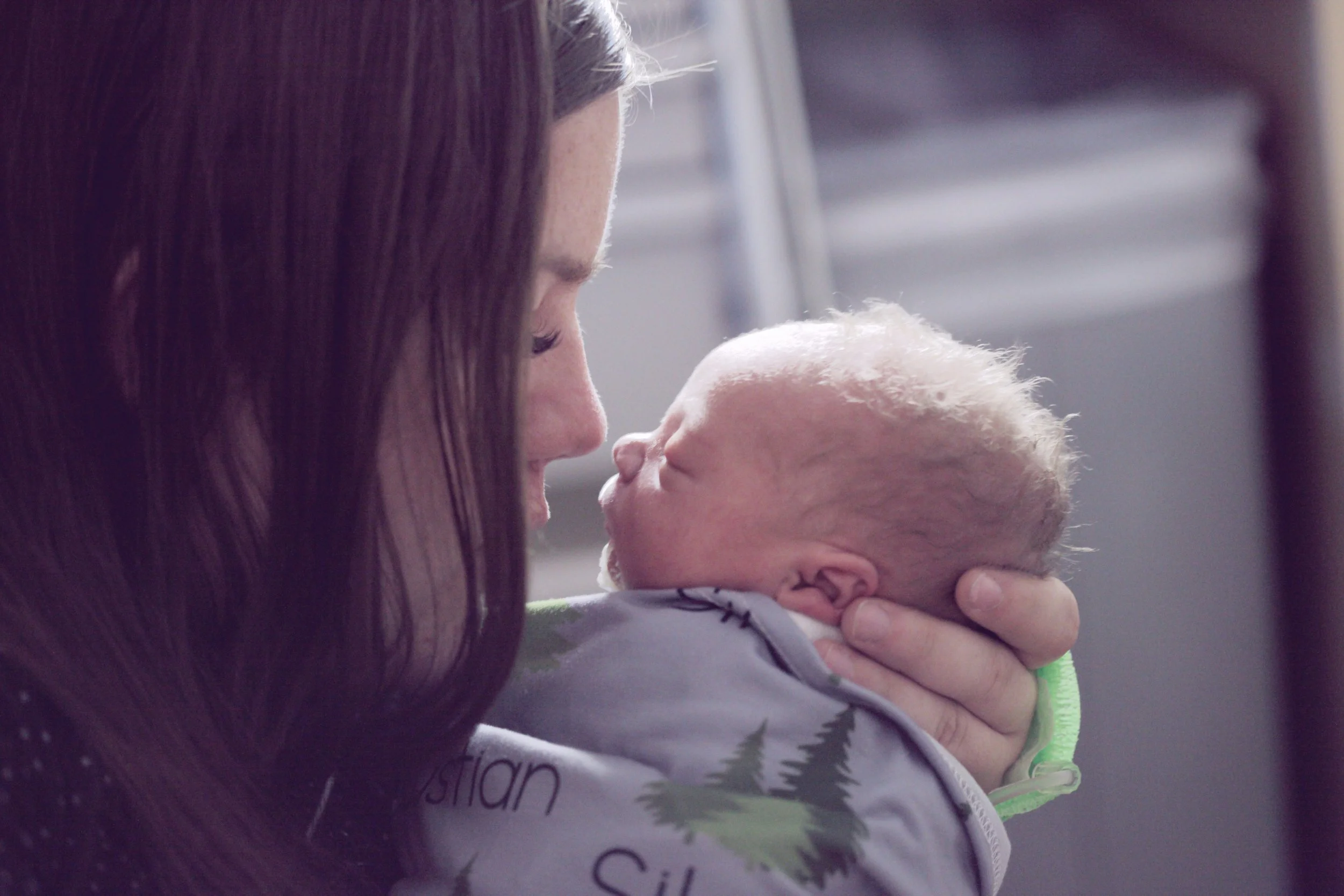
Caring for a premature baby can be daunting at first, but many parents face this situation. According to the CDC, preterm birth refers to a situation where a baby is born before reaching 37 weeks of pregnancy. In 2022, around 1 in every 10 babies born in the United States was affected by this condition.
Many new parents find themselves worrying about whether they’re doing enough or if their little one will be alright. It’s completely normal to feel anxious when your baby arrives earlier than you expected. You might be unsure about how to manage feeding, sleeping, or even just holding your tiny bundle of joy.
Looking after a preemie certainly demands more attention, but it also creates opportunities for bonding and learning. Each day brings fresh progress, and the little victories matter.
This article explores strategies that can help you walk this path and find strength through patience, education, and love.
Accept Your Apprehension
Raising Children Network states that after a premature birth, it's not unusual to experience a mix of strong emotions. All your feelings are valid. Talking about and accepting these emotions can be a big help in coping. Also, focusing on your baby's progress and milestones can provide some much-needed positivity.
Instead of trying to push that fear away, embracing it can lighten the emotional load you carry. Recognizing your feelings is the first step toward truly understanding them. This approach helps you move past any guilt or the unrealistic pressure to be the flawless parent.
Giving yourself the green light to feel the worries can help you focus on learning how to support your baby with a sense of calm. Moreover, acceptance paves the way for connection. When you let go of hiding your fears, you open up to sharing them with others who truly get what you are going through.
Understand Your Baby’s Cues
One of the most comforting things you can do when taking care of a premature baby is to become familiar with their cues. According to the March of Dimes, your little one communicates their feelings and needs through various signals known as cues. To understand what these cues mean, pay attention to your baby's actions and the environment around them.
Once you get the hang of interpreting these cues, you'll be in a much better position to meet their needs. Each baby has their own unique ways of expressing their needs, whether through subtle movements or facial expressions. Being mindful allows you to respond in ways that foster trust between you and your infant.
This awareness can help turn any fear into confidence as you start to recognize what your little one is trying to communicate. The more you pay attention and respond with care, the stronger your bond will become. As time goes on, your instincts will sharpen, and taking care of your little one will start to feel more natural.
Get Help When You Need It
Reaching out for assistance while caring for a premature baby is a crucial part of ensuring both your little one’s health and your own well-being. Keep in mind, the journey can be tiring and overwhelming, so having support is key.
Connect with healthcare professionals, such as nurses, lactation consultants, and social workers who specialize in neonatal care. They can offer invaluable advice on feeding, medical needs, and emotional hurdles. A pediatric nurse practitioner can be more accessible than a pediatrician. Many nurses now opt for MSN pediatric nurse practitioner online programs to upgrade to this role.
According to Spring Arbor University, these professionals are equipped to provide primary care to newborns. If you need support and want to skip the lengthy appointment waits, these pediatric care professionals can really make a difference. Plus, family and friends can pitch in with practical tasks like running errands or looking after other kids. Support groups, whether in person or online, can help you connect with other parents who truly get the unique challenges you are facing.
Know What is Safe for Your Baby
When it comes to your premature baby's safety, it is all about finding that peace of mind and easing your worries about providing top-notch care. A safe sleep environment is key. Make sure your baby sleeps on a firm, flat mattress, without any pillows, loose bedding, or cot bumpers.
It is vital to make feeding choices in partnership with your medical team, balancing safety, nutrition, and your family’s unique needs. Limiting trips and avoiding crowded places is key to lowering the risk of infection, particularly for preemies with developing immune systems.
Stay updated on the vaccinations your preemie might require. Talk to your doctor about things like breastfeeding and skin-to-skin contact. These can promote both safety and healthy development.
Prioritize Your Emotional Wellness
It is essential to prioritize your emotional health while caring for a premature baby. NHS notes that parenting can be a joyful journey, but it comes with its fair share of emotional ups and downs. One minute you’re flying high, and the next, you’re dealing with challenges that can feel overwhelming and never-ending. It is totally normal for parents to navigate these kinds of emotions.
You may feel stressed, anxious, and exhausted during this challenging journey. When you take care of yourself, you will be more present and effective in supporting your baby. Aim to get plenty of rest, enjoy nutritious meals, and squeeze in some gentle exercise whenever you can.
Many parents discover that using relaxation techniques can significantly enhance their emotional well-being. Taking care of your mental health is essential for both you and your baby, making this journey feel more hopeful and manageable.
Frequently Asked Questions
What is a good weight for a premature baby?
When it comes to premature babies, their ideal weight hinges on their gestational age. For those born extremely preterm, you can expect them to weigh around 1 to 2 pounds. If very premature, their weight typically ranges from 2 to 3 pounds. Late preterm babies (34-37 weeks) come in at around 4 to 5.5 pounds. After birth, these little ones usually gain weight steadily as they grow.
What makes premature babies grow faster?
Premature babies thrive with proper nutrition, particularly when they receive early feedings and either breast milk or fortified formula. Essential vitamins such as A, D, and folic acid play a crucial role in supporting their healthy growth. You can promote steady weight and length gain by initiating feeds soon after birth and avoiding infections.
How to support parents with babies in NICU?
Support parents with babies in the NICU by providing specific, practical assistance. It includes preparing meals, running errands, or taking care of siblings. Be a good listener, allowing them to share their feelings without any judgment. Offer emotional support and encourage them to take care of themselves, which can help reduce their stress during this tough time.
Facing the fear of caring for a premature baby is a journey that demands time and support from those around you. Remember, it is perfectly normal to feel scared. But you can overcome that fear by educating yourself about your baby’s needs and believing in your own abilities.
Conquering the fear of looking after a premature baby is a gradual journey. With patience and the appropriate guidance, you will find your caregiving skills becoming more confident and capable. Each small victory will help lift your spirits.