Summer Baby Registry Essentials
I thought having a summer baby would be easier than winter. After five kids—two born in peak summer—I learned I was wrong. There's so much more to consider during the hottest months, and I learned many lessons the hard way.
Babies can't regulate body temperature like adults, making them vulnerable to overheating. Pediatricians recommend 68-72°F nurseries, but brutal July afternoons make this challenging without proper gear.
I'll walk you through summer baby registry essentials I wish I'd known: breathable clothing, sun protection, and cooling products that actually work during heat waves—all from my own experience.
If you're still finalizing your complete baby registry checklist or planning your summer baby shower,, this guide will help you focus on the season-specific items that matter most for those hot summer months.
This post may have affiliate links, which means I may receive commissions if you choose to purchase through links I provide (at no extra cost to you). As an Amazon Associate, I earn from qualifying purchases. Read more about these links in my disclaimer policy.
Summer Baby Registry Essentials
Breathable Clothing and Sleepwear for Hot Days
Here's where I made my biggest rookie mistake. I registered for all these adorable outfits without checking what they were made of. Synthetic fabrics turned out to be a total nightmare in the summer heat.
What actually works for summer baby clothing:
100% organic cotton onesies - Cotton breathes, absorbs moisture, and doesn't trap heat against your baby's skin like polyester blends do. I bought probably 15 of these from brands like Burt's Bees Baby and Primary.
Muslin sleep sacks - This fabric is genuinely helpful for summer babies because it's super lightweight but still feels secure. The Aden + Anais sleep sacks in 0.5 TOG were my go-to for warm nights.
Kimono-style tops - When it's 85 degrees and your baby is already cranky, the last thing you want is to wrestle a onesie over their head. Kimono tops just wrap around and snap or tie on the side.
Here's the thing about TOG ratings that nobody explained to me at first. TOG stands for Thermal Overall Grade, and it measures how warm a sleep sack is. For summer, you want 0.5 to 1.0 TOG maximum. Anything higher and your baby's going to wake up drenched in sweat.
Babies go through about 3-4 outfit changes a day in summer between spit-up, diaper blowouts, and general sweatiness. I'd say register for at least 8-10 short-sleeved bodysuits in each size (newborn, 0-3 months, and 3-6 months).
Sun-protective clothing is actually effective. The UPF fabric is designed to be cooling while blocking 98% of UV rays. Brands like Coolibar and iPlay make some good options. We used these mainly for beach trips and long stroller walks during peak sun hours.
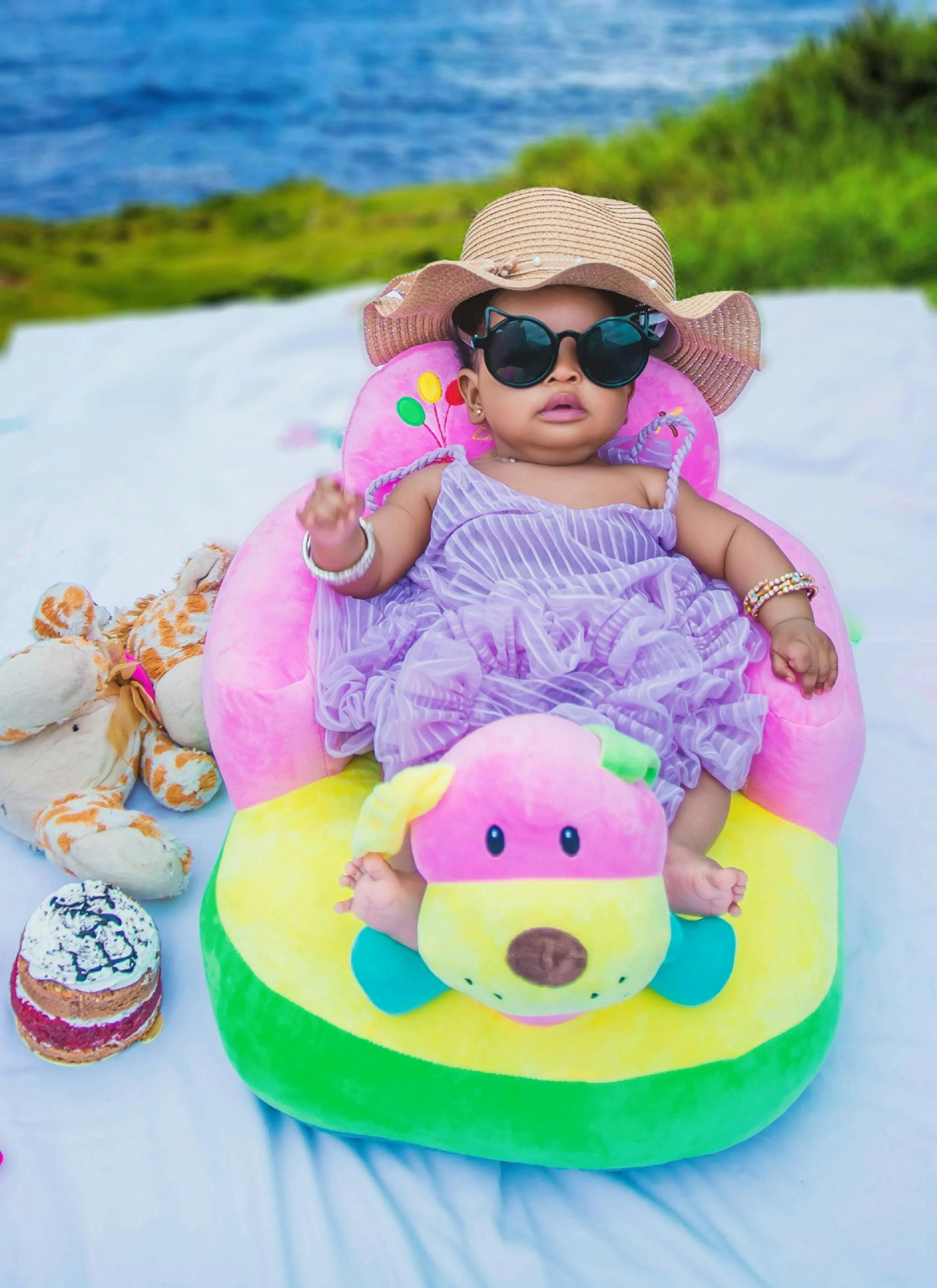
You need sun hats with a chin strap or your baby will yank it off repeatedly. I found the ones from Jan & Jul helpful because they have an adjustable toggle that actually stays put. Get a wide brim that covers their ears and neck too.
Bamboo fabric is worth considering. It's naturally temperature-regulating, antibacterial, and feels silky smooth. Kyte Baby makes some quality bamboo sleepwear that kept my son comfortable even on the hottest nights. It's pricier than cotton, but if your budget allows, it's worth adding a few pieces.
The biggest lesson? Skip the cute matching outfits with pants and layers. In summer, your baby will basically live in simple onesies.
Sun Protection Essentials Every Summer Baby Needs
Baby skin is incredibly delicate—about 20-30% thinner than adult skin—which means UV damage happens way faster. The American Academy of Pediatrics says babies under 6 months should be kept out of direct sunlight whenever possible.
Here's my actual must-have list for sun protection:
For babies under 6 months, avoid sunscreen if possible and rely on shade and clothing instead. If you absolutely must use it, go for mineral-based options with zinc oxide or titanium dioxide as the active ingredients.
Once your baby hits 6 months, sunscreen becomes essential. I found Thinkbaby SPF 50+ and Badger Baby Sunscreen to be reliable choices. Both are mineral-based, reef-safe, and don't have questionable chemicals. Apply it 15-30 minutes before going outside, and reapply every 2 hours or after water play.
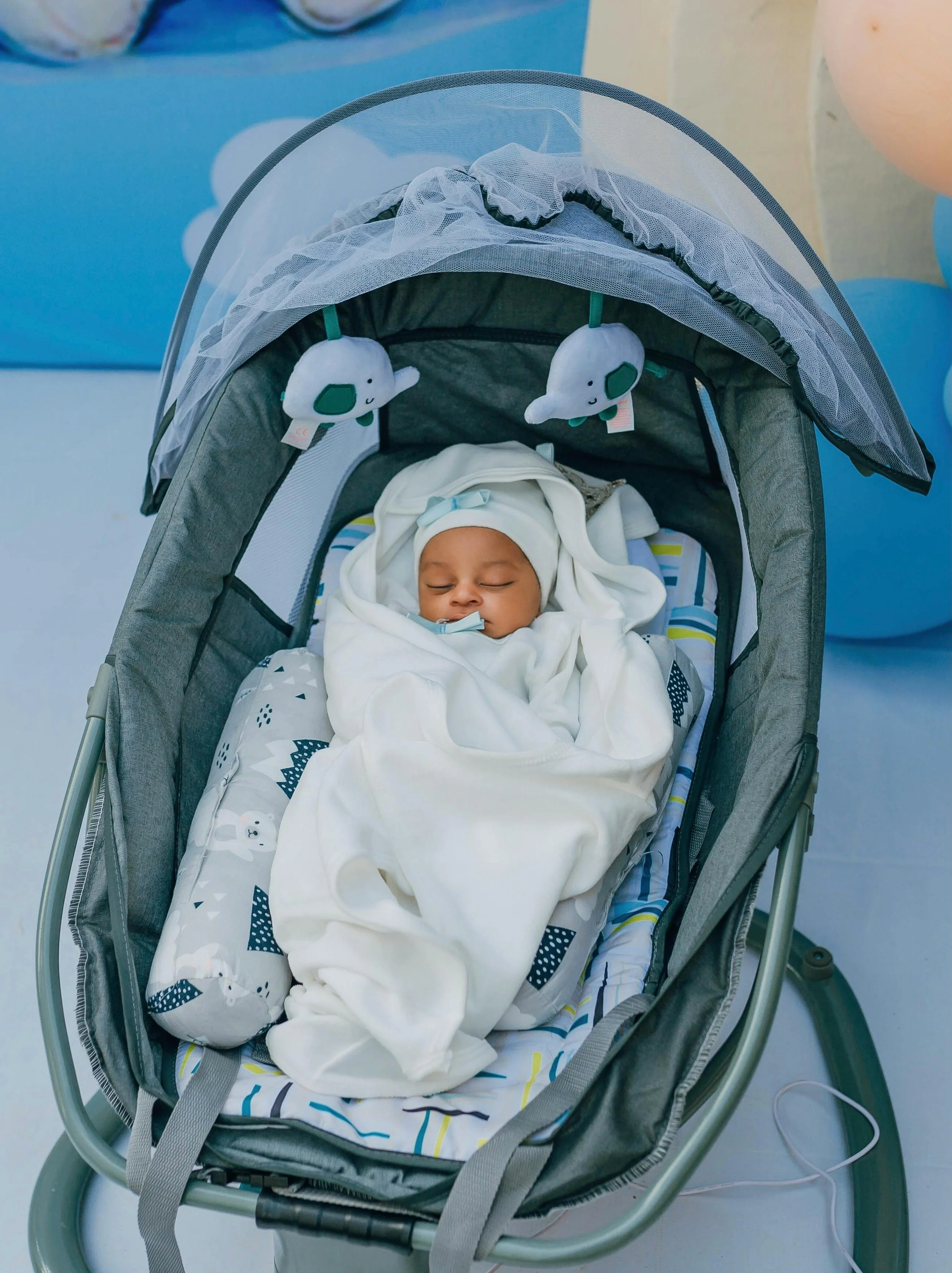
Stroller sun protection requires more thought than you'd expect. Those little stroller canopies that come standard are pretty much inadequate during midday sun. I added a Summer Infant Pop 'N Play Full Coverage Canopy to my stroller. The key is finding something that blocks sun from all angles but still allows airflow.
Car window shades are honestly overlooked by many parents. I used the static cling ones from Enovoe because they don't interfere with window tint and they're easy to reposition. Put them up before your baby gets in the car so it's already cooler.
Baby sunglasses are challenging to keep on babies. Around 6 months, some babies will tolerate them. Babiators are specifically designed for infants with flexible frames and a strap that goes around the back of their head. They have UV 400 protection, which blocks 100% of UVA and UVB rays.
Pop-up sun shelters became essential at the park and beach. The Pacific Play Tents UV Pop-Up Dome is lightweight, sets up in about 30 seconds, and has a UPF 50+ rating.
One mistake I made early on was thinking that just because we were in the shade, we didn't need sun protection. UV rays reflect off sand, water, concrete, and even grass. Up to 80% of UV rays can reach your baby even in the shade. Layer your protection—shade plus clothing plus sunscreen for exposed skin.
Cooling Products and Temperature Management Tools
Keeping a baby cool in summer is serious business. Having the right tools makes all the difference between peaceful sleep and a miserable night for everyone.
The essentials for temperature management:
Room thermometer with humidity monitoring - I use the La Crosse Color Forecast Station. You want to aim for 68-72°F and 30-50% humidity in the nursery.
Portable fans - Never point a fan directly at your baby. Instead, point it at a wall or ceiling to circulate air throughout the room. I have the Vornado 460 Small Whole Room Air Circulator positioned facing away from his crib.
Clip-on stroller fans - The Dreambaby Stroller Fan clips onto the canopy and has soft, flexible blades. I'd turn it on about 5 minutes before putting my baby in the stroller so it could cool down the seat area.
Cooling gel teething toys - Pop them in the fridge (not the freezer) and they provide relief for teething pain while also helping cool your baby down. The Nuby Ice Gel Teether Keys were my son's favorite.
White noise machines with temperature displays are really convenient. The Hatch Rest+ does white noise, nightlight, and shows the room temperature right on the device. Plus, you can control it from your phone.
Moisture-wicking changing pad covers made a difference. Regular changing pad covers can get uncomfortably sweaty in summer. The Ely's & Co. Waterproof Changing Pad Covers have a moisture-wicking top layer that pulls sweat away from baby's skin.
The Newton Baby Crib Mattress is 100% breathable and washable. It's pricey, but worth considering if you live somewhere with intense summers. The whole thing allows air to flow through it completely.
Summer-Specific Diapering and Skincare Registry Items
Diaper rash gets noticeably worse in summer. The combination of heat, humidity, and sweat creates conditions that really irritate baby skin.
The diaper rash prevention and treatment lineup:
Zinc oxide cream - Thick, white, barrier cream with at least 20% zinc oxide. Desitin Maximum Strength and Boudreaux's Butt Paste are both solid options. Apply it at every single diaper change during hot weather, even if there's no rash yet.
Travel-size diaper cream - Keep one in your car, one in the diaper bag, and one in the nursery.
Breathable diapers - I found that Pampers Swaddlers and Honest Company diapers worked better in hot weather than Huggies for us—they seemed to breathe better.
Fragrance-free baby wipes - WaterWipes are literally just water and a drop of fruit extract, and they're very gentle.
For outdoor diaper changes, you need a proper portable changing pad. The Skip Hop Pronto Changing Station is helpful—it's got a waterproof changing pad that folds out, pockets for diapers and wipes, and a carrying handle.
Hypoallergenic laundry detergent becomes even more important in summer. I use Seventh Generation Free & Clear or All Free & Clear—both work well and don't have any dyes or fragrances that could trigger reactions.
One thing that really helped was giving more frequent baths. Not full soap-down baths every time, but just cool water rinses to wash away sweat and give my son some relief from the heat.
The biggest skincare mistake I made was over-moisturizing. In summer, too much lotion can actually trap heat and clog pores. My pediatrician said to use a light, fragrance-free lotion only on areas that look dry.
Hydration and Feeding Must-Haves for Warm Weather
Hydration in summer is critical, but here's an important point: babies under 6 months get all their hydration from breast milk or formula. You don't give them water separately.
What you actually need for summer feeding:
Water bottle with time markers for nursing moms - The one from Fidus has timestamps like "9 AM," "11 AM," etc. printed on the side so you can track your intake. You need 100+ ounces of water per day when nursing in hot weather.
For more on staying hydrated and comfortable, check out these summer breastfeeding tips.
Lightweight nursing clothes - I lived in the Kindred Bravely nursing tanks because they have a pull-aside design that's quick and they're made of moisture-wicking material.
Insulated bottle bags - Breast milk or formula can spoil in as little as 1-2 hours when it's hot outside. I used the Momcozy Insulated Bottle Bag, which kept bottles cold for 4-6 hours with an ice pack.
Breast milk cooler for pumping - The Medela Breast Milk Cooler Set comes with ice packs that stay frozen for hours. Don't leave pumped milk in a hot car even for a few minutes.
Extra burp cloths - I went through probably 5-6 burp cloths per day during the hottest weeks. The Gerber Birdseye Prefold Cloth Diapers work really well as burp cloths—they're super absorbent and you get a 10-pack for about $20.
For bottle-fed babies, you need a drying rack with excellent ventilation. The Boon Grass Countertop Drying Rack allows air to circulate around bottles and parts considerably better than a flat rack. This prevents mold growth, which is a real concern in humid summer conditions.
Summer Baby Gear and Transportation Essentials
Getting around with a baby in summer heat requires some planning.
Strollers for summer need these specific features:
Large, adjustable canopy - Full coverage that extends way out in front and blocks sun from multiple angles. The UPPAbaby Vista and Baby Jogger City Mini GT2 both have excellent canopies with UPF 50+ sun protection.
Mesh panels or ventilated seat backs - The BOB Revolution Flex has mesh vents on the seat and the canopy, which creates better air circulation.
Lightweight design - The Babyzen YOYO² weighs only 13 pounds and folds up compactly, making it practical for summer adventures. I also appreciated the light-colored fabric option because dark colors absorb considerably more heat.
Baby carriers in summer are honestly challenging. The Ergobaby Omni Breeze has mesh panels throughout—front, back, sides, shoulder straps. It's specifically designed for hot weather. But honestly, if it's above 85°F, I'd just use a stroller instead.
Mosquito netting protected us from bug bites. The Nuby Universal Mosquito Net fits over any stroller, and I'd put it on every single time we went outside during dawn or dusk hours. Mosquitoes are aggressive in summer, and babies can't wear most bug repellents until they're 2 months old.
What helped with car seats was a moisture-wicking car seat liner. The Summer Infant Cushy Straps and Car Seat Liner absorbs sweat and helps prevent your baby's back from getting soaked during car rides.
The diaper bag you choose matters. I switched to the Ju-Ju-Be B.F.F. Convertible Diaper Bag which has insulated pockets and moisture-resistant material. It's also wipe-clean, which is helpful when your hands are constantly sweaty and dirty from outdoor activities.
Nursery Setup for Summer Comfort and Safety
Setting up a nursery for a summer baby is basically focused on temperature control.
Blackout curtains are essential but here's an important detail: You need blackout curtains that also have thermal properties to keep heat out, not just block light. The Nicetown Thermal Insulated Blackout Curtains have a white backing that reflects heat, which kept our nursery about 6-7 degrees cooler during the day.
Close the curtains in the morning before the room gets hot, not waiting until afternoon when the heat has already gotten in. I'd close them around 9 AM and keep them closed until the evening.
Ceiling fans are good for nurseries if you install them correctly. The fan should be at least 7 feet off the ground and set to spin counter-clockwise in summer. Never position the crib directly under the fan where your baby would get a direct draft. The Hampton Bay Rothley 52-inch ceiling fan is quiet enough that it doesn't disrupt sleep.
Your crib mattress impacts comfort significantly in summer. Regular innerspring mattresses can trap heat. If the Newton Baby Crib Mattress is out of budget, the Graco Premium Foam Crib Mattress has better breathability than most standard options and it's considerably cheaper at around $80.
Get a waterproof mattress protector that's actually breathable. The SafeRest Premium Mattress Protector has a thin waterproof layer that still allows air to pass through.
Crib sheets need to be moisture-wicking for summer. I bought six fitted sheets made from bamboo-cotton blend. Your baby will sweat through sheets faster in summer, so you need backups.
Cord-free window treatments address both safety and temperature control. I installed the CHICOLOGY Cordless Cellular Shades which have a honeycomb structure that traps air and provides insulation. Plus, no cords for baby to get tangled in as they get older.
Air purifiers help circulate air and can make a room feel less stuffy. The Levoit Core 300 is quiet, affordable (under $100), and has a night light that you can turn off for sleep.
Bath Time and Hygiene Products for Summer Babies
Bath time in summer is honestly a relief because it's one of the few times your baby gets instant cooling from the heat. I ended up giving my son 2-3 baths per day during the hottest weeks, which my pediatrician said was totally fine as long as I wasn't using soap every time.
The summer bath setup that worked for us:
Baby bathtub with temperature indicator - The 4moms Infant Bath Tub has a digital temperature display that changes color from blue (too cold) to white (perfect) to red (too hot). For summer, you want water around 90-95°F.
Gentle, tear-free baby wash - I used the Aveeno Baby Wash and Shampoo because it's pH-balanced and fragrance-free. Most days I just rinsed my son with plain water and only used soap on his diaper area.
Lightweight hooded towels - The Little Jump Baby Hooded Towels are thin enough to be comfortable in summer but still absorbent. I had four of these rotating through the laundry constantly.
Natural bristle brush for cradle cap - The Safety 1st Cradle Cap Brush & Comb Set worked well for us. I'd gently brush my son's scalp during bath time with a tiny bit of baby oil to loosen the flakes.
Bug repellent for babies is tricky. The CDC says you can use products with 10-30% DEET on babies over 2 months old, but a lot of parents are hesitant. The Badger Baby Sunscreen & Bug Spray Stick combines SPF and natural bug repellent using essential oils.
For stronger protection, I used the OFF Clean Feel with 5% DEET for my son once he was 6 months old. I'd only apply it to his clothes, not directly on skin, and I'd wash those clothes immediately when we got home.
Keeping nails trimmed is more important in summer because babies scratch themselves more. The Safety 1st Sleepy Baby Nail Clipper Set has a magnifying glass built in. I'd clip my son's nails after bath time when they were softer and he was drowsy.
Entertainment and Developmental Toys for Summer
Summer opens up opportunities for baby entertainment, but you need the right gear to make outdoor play safe and comfortable. Pairing these toys with summer sensory play ideas can make playtime even more engaging for your little one.
Water play mats are excellent for summer tummy time. The Splashin'kids Inflatable Tummy Time Water Mat is genuinely helpful. You fill it with cool water, and there are little floating toys inside that move around when baby pushes on the mat. Just make sure to dump out the water and dry it completely after each use, or it'll grow mold.
Outdoor play gyms are good for supervised play in the shade. The Tiny Love Gymini Deluxe works indoors or outside, and I'd set it up under our covered patio in the morning. The key is doing outdoor play before 10 AM or after 4 PM when the sun isn't as intense.
Board books with waterproof pages are practical for summer. The Indestructibles series are completely waterproof, tear-proof, and chewable. The "Beach Baby" and "Baby Peekaboo" ones were our favorites.
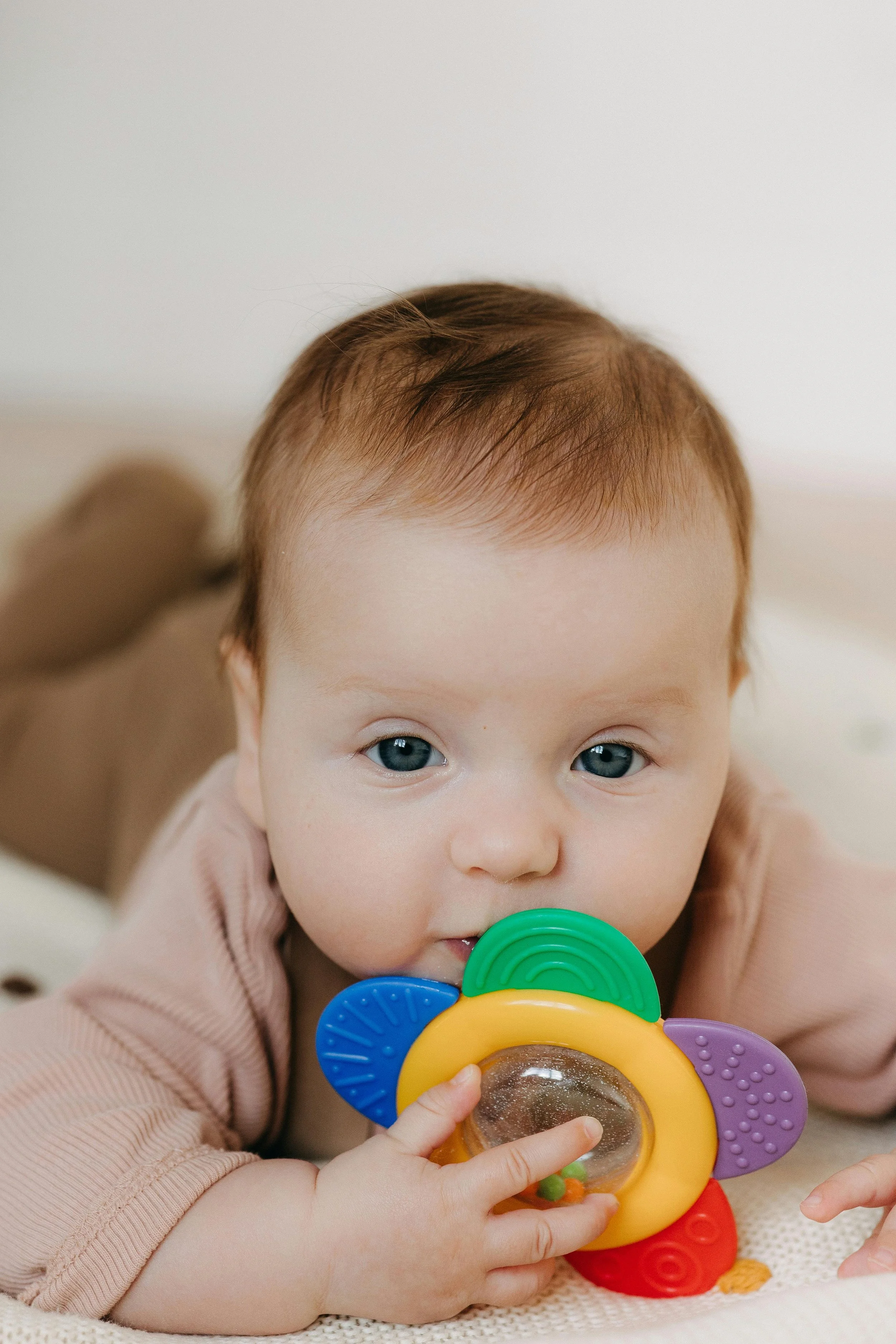
Teething toys that refrigerate are helpful in summer. The Nuby Ice Gel Teething Keys were in our fridge constantly. Just don't freeze them—frozen toys are too hard and cold for baby gums. Refrigerated is the right temperature.
High-contrast cards and mobiles are perfect for indoor play when it's too hot to go outside. The Manhattan Toy Wimmer-Ferguson Infant Stim-Mobile has bold black and white patterns that are good for newborn vision development.
Baby pools need to wait until baby is old enough for water play (usually around 6 months) and can hold their head up independently. The Intex Sunset Glow Baby Pool is shallow and small, appropriate for introducing water play. I'd fill it with lukewarm water and let my son splash around for 10-15 minutes at a time. Never leave a baby unattended in water, even for a second. Once they're a bit older, you'll find even more ideas in this roundup of baby's first summer activities.
Final Thoughts
Building a summer baby registry felt overwhelming, but the right gear made a huge difference. Prioritize breathability, sun protection, and temperature management. I made mistakes—buying overly warm outfits, forgetting sunscreen, misunderstanding TOG ratings—but that's normal.
Trust your instincts about your baby's comfort and safety. Start with essentials: breathable clothing, sunscreen, sleep sacks, temperature monitoring, and sun protection. Add extras that fit your lifestyle. It's fine to update your registry after baby arrives—I added half my favorites later.
And if you're still in the planning stages, don't miss our guides on summer newborn photo ideas, summer postpartum self-care, and staying cool during pregnancy in summer—they're full of practical tips for every stage of the journey.
Don't stress about perfection. You'll figure it out. You're already doing great.
