11 Essential Summer Stroller Walk Tips with Baby
Summer stroller walks should be relaxing, right? But when I first tried taking my baby out during those hot months, I felt like I was doing everything wrong. The heat was intense, my little one got fussy within minutes, and I honestly wondered if outdoor walks were even worth the stress. And honestly, as a mom of 5, you'd think I would have had it all figured out — but every baby is different, and summer always found a way to humble me.
Here's the thing though - I've learned so much since those early days, and after navigating summer stroller walk tips with baby number one all the way through baby number five, I can tell you that experience is the best teacher. Summer walks can actually be wonderful for both you and your baby when you know what you're doing. The key is preparation and knowing exactly what to watch for.
In fact, a good stroller is one of those non-negotiables I always mention in my summer baby registry essentials — because the right gear makes all the difference.
I'm going to share the 11 strategies that completely transformed my summer walking routine — and that I still rely on to this day, especially when I need those walks to double as newborn sleep tips that actually work.
This post may have affiliate links, which means I may receive commissions if you choose to purchase through links I provide (at no extra cost to you). As an Amazon Associate, I earn from qualifying purchases. Read more about these links in my disclaimer policy.
11 Summer Stroller Walk Tips with Baby
Time Your Walks During the Coolest Hours
Timing is literally everything when it comes to summer stroller walks. The sweet spot for summer walks is early morning between 6:00 and 9:00 AM. The temperature during these hours is typically 10-15 degrees cooler than midday, and the UV index is significantly lower.
If mornings don't work for your schedule, evening walks after 6:00 PM are your next best option. The sun is lower in the sky, the heat has started to break, and you might even catch a beautiful sunset.
Here's what you need to avoid:
Never walk between 10:00 AM and 4:00 PM during summer months
These are peak UV hours when the sun's rays are most intense
Ground temperatures can be 20-30 degrees hotter than air temperature
Heat reflection from pavement makes it feel even worse
Before every walk, I check my weather app for the heat index, not just the temperature. The heat index tells you what it actually feels like outside when you factor in humidity. If it's above 90°F, I keep the walk very short - like 15 minutes maximum.
Air quality is another factor I started paying attention to after my pediatrician mentioned it. Most weather apps now include air quality alerts, and I've learned to skip walks on days when the air quality is poor. Your baby's developing lungs are more sensitive than ours.
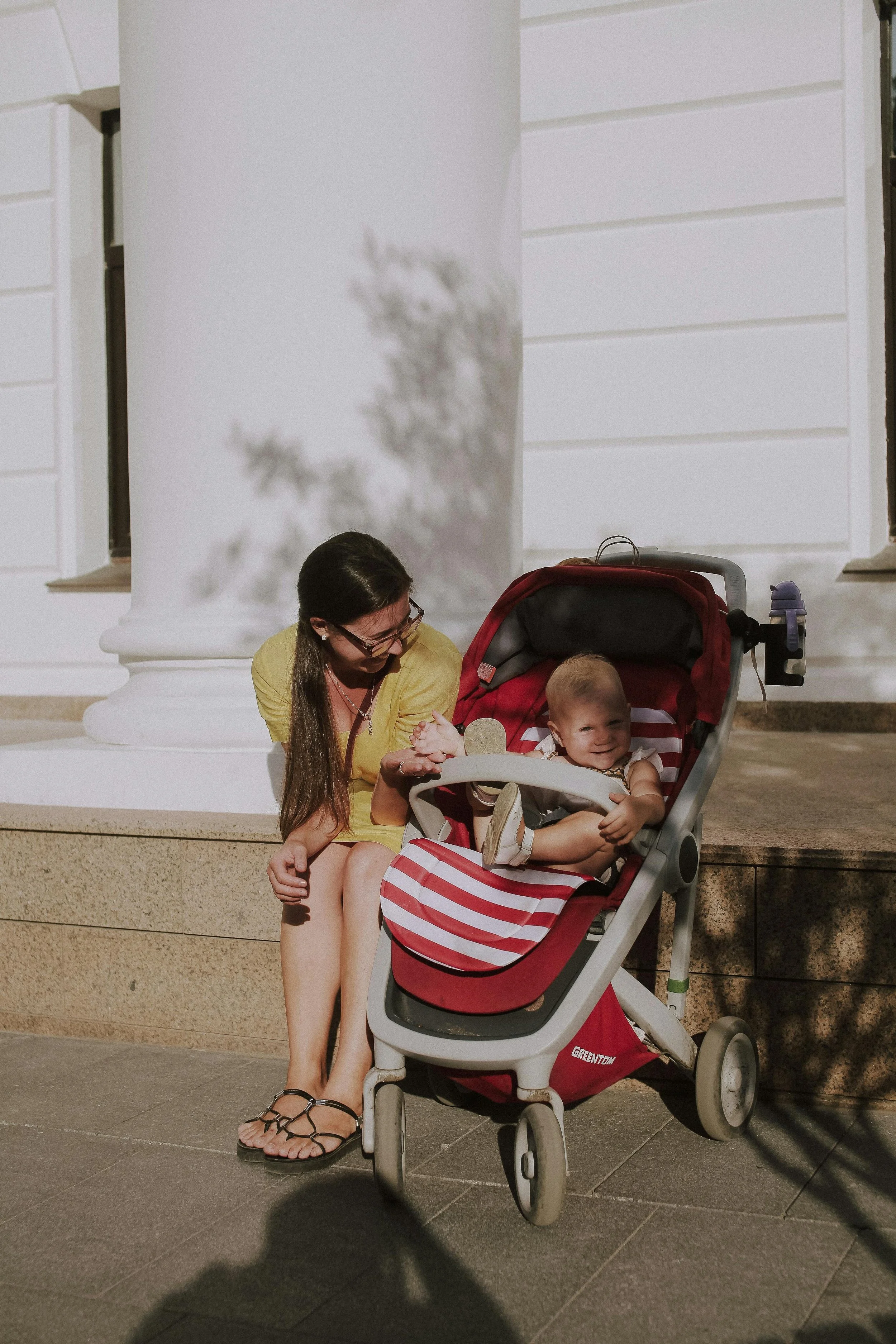
I also had to get realistic about my baby's nap schedule. I aim for walks during wake windows when my baby is naturally more content and alert. And look, some days it's just too hot to go outside, period. Don't feel guilty about staying in when temperatures soar above 90°F or when there's a heat advisory.
Master Sun Protection for Your Little One
The foundation of good sun protection starts with your stroller's canopy. I upgraded to a stroller with an extended UPF 50+ canopy, and it was honestly one of the best decisions I made. These canopies block about 98% of UV rays. If you can't get a new stroller, you can buy attachable sunshades that clip onto most stroller models - they run about $20-40.
Clothing is your next line of defense. I now use lightweight, long-sleeved UPF clothing specifically designed for babies. It sounds counterintuitive, but these breathable fabrics actually keep babies cooler while protecting their skin.
Best clothing choices for summer stroller walks:
UPF 50+ long-sleeved rompers in light colors
Wide-brimmed sun hats that protect face, ears, and neck
Breathable cotton or bamboo fabrics that wick moisture
Light-colored clothing that reflects rather than absorbs heat
Sunscreen became less complicated once I understood the rules. For babies under 6 months, sunscreen isn't recommended by the American Academy of Pediatrics - you need to rely on shade and protective clothing instead. Once your baby hits 6 months, you can start using baby-safe mineral sunscreen with zinc oxide or titanium dioxide. I apply SPF 30 or higher to any exposed skin, and I reapply every two hours.
Here's something important - never cover your stroller with a blanket or muslin cloth for shade. A Swedish study found that covering a stroller with a blanket can cause the internal temperature to spike by 15-20 degrees in just 10 minutes. It basically turns your stroller into an oven.
Stroller fans have been a game-changer for us. I attached a small battery-powered clip-on fan to our stroller, and it makes a noticeable difference in air circulation. Just make sure you get one with soft, flexible blades for safety. I also invested in a cooling stroller liner with moisture-wicking properties. These pads have gel inserts that you can freeze overnight.
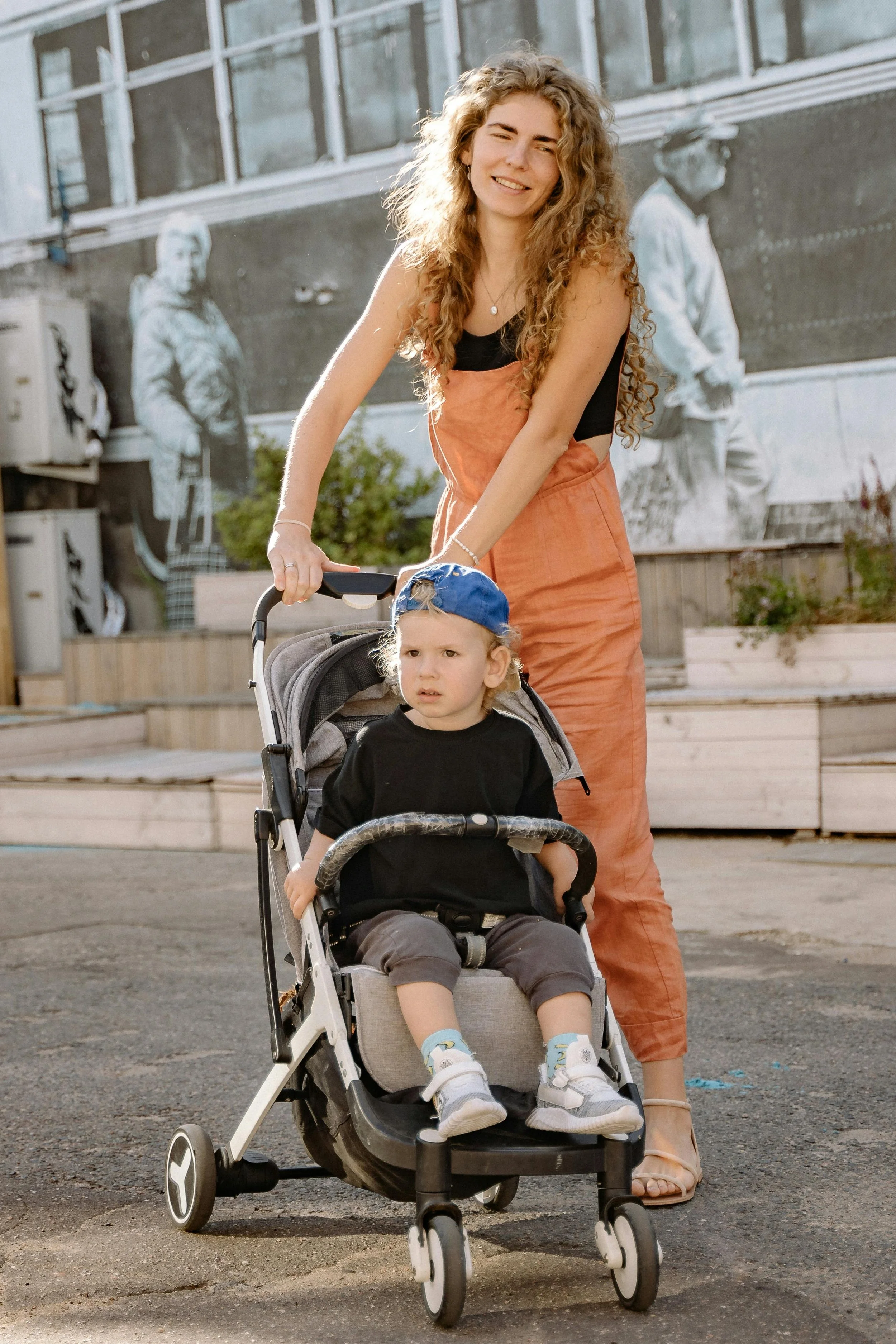
Prioritize Hydration and Temperature Control
Babies lose water through their skin much faster than adults, and they can't tell you they're thirsty. For babies under 6 months who are exclusively breastfed or formula-fed, you don't need to offer water - but you do need to offer feeds more frequently. I started nursing or bottle-feeding every 1-2 hours during hot weather instead of my usual 2-3 hour schedule.
If you're breastfeeding through the warmer months, be sure to check out my tips on summer breastfeeding — staying hydrated and comfortable makes a huge difference for both you and baby.
Once your baby is over 6 months old, you can start offering small amounts of water during walks. I bring a sippy cup or bottle with about 2-4 ounces of water and offer sips every 15-20 minutes on longer walks.
Signs of dehydration I watch for:
Fewer wet diapers than usual (less than 6 per day)
Dry lips or mouth that looks sticky
No tears when crying
Sunken soft spot on baby's head
Extreme fussiness or unusual lethargy
Dark yellow or concentrated urine
I learned the hard way to bring an insulated bottle carrier or small cooler bag on every walk. Bacteria grows quickly in warm milk, which is a safety concern. Now I always pack frozen ice packs to keep everything at a safe temperature.
The general rule is that babies need one layer less than you're wearing in warm weather. If you're comfortable in a t-shirt, your baby should be fine in just a onesie. I stick to natural, breathable fabrics like cotton, bamboo, or linen. Light colors are also better than dark colors because they reflect heat instead of absorbing it.
Cooling towels have become my secret weapon. I keep a couple of small, damp towels in a ziplock bag in my cooler, and when my baby starts looking flushed, I gently place one on the back of her neck or her wrists. Frozen teething toys also serve double duty as entertainment and cooling aids.
Temperature monitoring is something I do consistently during summer walks. I check my baby's chest or back (not hands or feet, which are naturally cooler) every 10-15 minutes. Her skin should feel warm but not hot or sweaty.
Choose a Summer-Optimized Stroller Setup
Ventilation is the single most important feature for summer strollers. Look for models with mesh panels on the seat back, sides, and even the canopy. These mesh sections allow air to flow through the stroller instead of trapping heat around your baby.
The canopy needs to be adjustable and provide maximum coverage. I specifically looked for a multi-position canopy that extends far enough to shade my baby's entire body, not just the head.
Essential stroller features for summer:
Full mesh seat back and side panels
Extendable UPF 50+ canopy with multiple positions
Lightweight aluminum frame (easier to push in heat)
Large, all-terrain wheels for smooth rides
Reversible seat so you can face baby toward you
Easy-access storage basket for cooling supplies
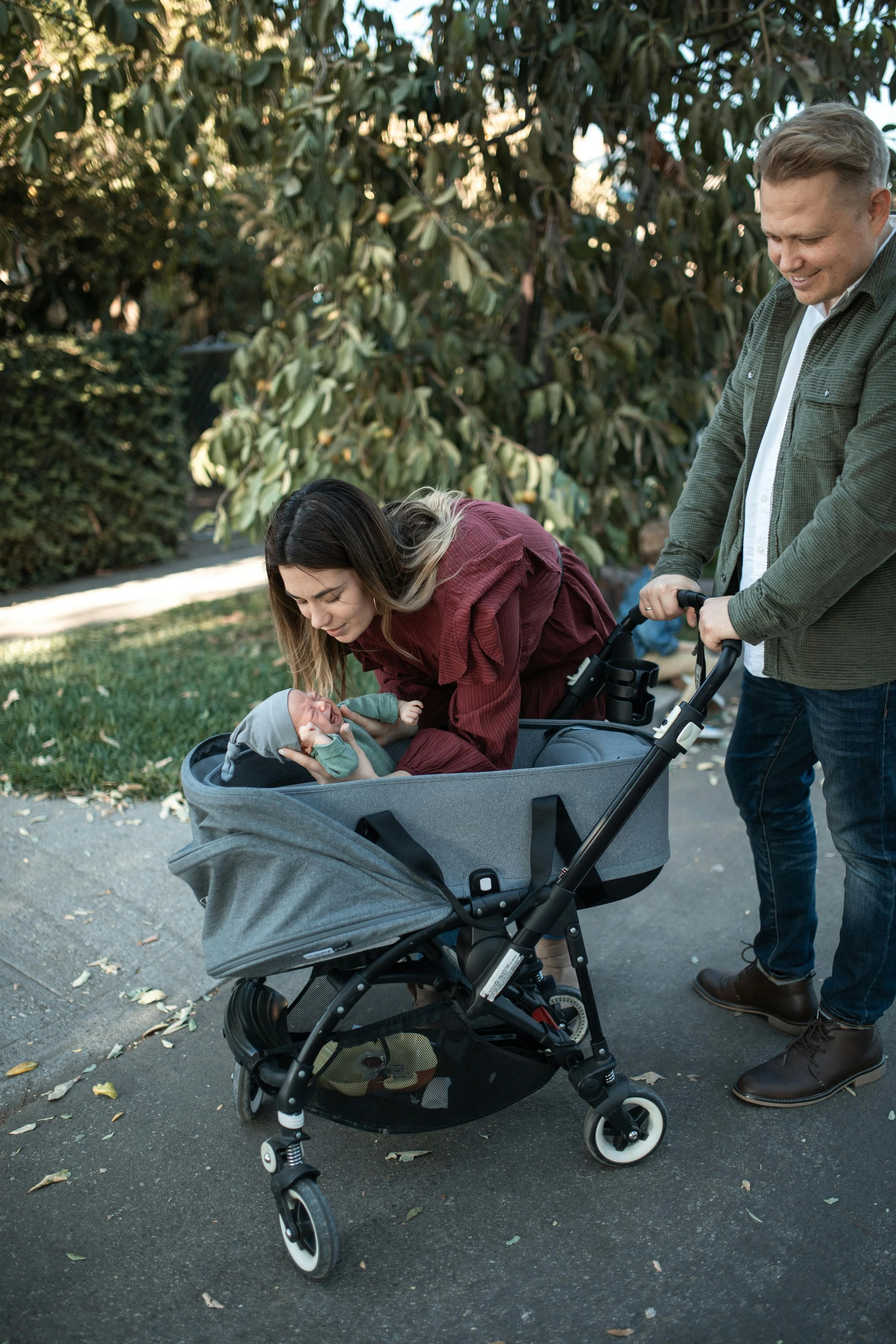
Weight matters more than you'd think. I switched to an aluminum frame stroller that weighs about 18 pounds compared to my old 30-pound model, and the difference in my energy level is significant.
The reversible seat feature is genuinely helpful for summer. I can turn my baby to face me so I can constantly monitor her condition without stopping. I can immediately see if she's getting flushed, sweaty, or uncomfortable.
My must-have stroller accessories:
Battery-powered clip-on fan with flexible blades ($15-25)
Insulated cup holders for keeping drinks cold ($10-15)
Cooling gel seat liner ($25-40)
Attachable toy bar to keep baby entertained ($15-20)
Maintenance is important too. Summer humidity plus sweat equals mold and bacteria growth if you're not careful. Now I wipe down the stroller after every sweaty walk and do a deep clean with mild soap and water weekly.
Plan Routes with Shade and Safety in Mind
Route planning completely changed my summer walking experience. Google Maps satellite view is my best friend for route planning. I literally zoom in and look for tree-lined streets before heading out. I've mapped out about five different routes in my neighborhood with varying distances.
Parks with pavilions and covered areas are valuable for summer walks. I make sure at least one point on my route has a covered spot where I can take a break if needed.
My criteria for summer walking routes:
At least 60% tree coverage based on satellite view
Parks or rest areas with shade structures every half mile
Water features like fountains or ponds (naturally cooler air)
Smooth, paved surfaces that are easy to navigate
Low traffic areas with good air quality
Access to public restrooms for diaper emergencies
Multiple exit points in case I need to cut the walk short
Water features are wonderful for summer walks because they naturally cool the air around them. The temperature near water is noticeably cooler - probably 5-7 degrees.
Avoid busy roads whenever possible. Asphalt and concrete absorb and radiate heat, and when you add car exhaust to the mix, you're walking through a seriously unpleasant environment. I stick to residential streets and park paths.
Walk duration by temperature:
70-80°F: 30-45 minute walks are fine
80-85°F: Limit to 20-30 minutes
85-90°F: Keep it under 20 minutes
Above 90°F: Skip it or do 10 minutes maximum
I always know where the public restrooms are along my routes. Having a backup indoor location nearby gives me peace of mind. Sometimes the weather changes quickly, and I always plan routes that pass by a library, shopping center, or other air-conditioned building.
Recognize and Respond to Overheating Warning Signs
Babies overheat much faster than adults - like five times faster. Their little bodies can't regulate temperature as efficiently as ours, so you need to stay vigilant.
The first thing I learned is where to check your baby's temperature. Now I check her chest or back under her clothing every 10-15 minutes during walks. Her core temperature should feel warm but not hot, and definitely not sweaty.
At first, you might see some light sweating on the forehead or back of the neck - that's normal. But if your baby becomes drenched in sweat or suddenly stops sweating altogether while still in the heat, that's a red flag.
Critical overheating warning signs:
Skin feels hot and either dry or excessively sweaty
Flushed red face or unusual paleness
Rapid breathing or panting
Heart rate seems faster than normal
Extreme fussiness or irritability
Unusual quietness or lethargy
Refusing to eat or drink
Vomiting or diarrhea
Behavioral changes are often the first clue something's wrong. My normally cheerful baby gets very cranky when she's overheating. But here's the concerning part - some babies do the opposite and become unusually quiet and lethargic.
My immediate response to overheating signs is always the same - stop walking, find shade, and start cooling measures right away. I move to the nearest shaded area, which might be under a tree, a building overhang, or even someone's porch in an emergency.
My emergency cooling protocol:
Get to shade immediately - don't finish your route
Remove excess layers but keep diaper on for now
Offer breast, bottle, or water if baby is over 6 months
Use damp towel on neck, wrists, and forehead
Turn on stroller fan or create breeze by fanning
Check temperature every few minutes until it normalizes
Don't resume walking until baby is clearly comfortable
I always carry damp towels in a ziplock bag for emergency cooling. Hydration becomes critical when you notice overheating signs. I offer frequent sips of water (for babies over 6 months) or breast/bottle feeds.
If symptoms don't improve within 10-15 minutes of cooling measures, or if they get worse, it's time to call your pediatrician or head to urgent care. Signs that require immediate medical attention include: temperature above 100°F, vomiting, severe lethargy, confusion, seizures, or loss of consciousness.
Pack Your Essential Summer Walking Kit
I keep a dedicated summer stroller bag that stays packed and ready to go. This was a game-changer because I used to waste 15 minutes before every walk gathering supplies. Now I just grab the bag, do a quick check, and we're out the door.
My summer walking bag essentials:
3-4 burp cloths or small towels
Two complete outfit changes
Travel pack of wipes (the big one)
Three diapers (two plus one emergency backup)
Insulated bottle carrier with ice pack
Pre-made bottles or nursing cover
Plastic bags for dirty diapers
Frozen teething toys in insulated bag
Snacks for older babies
Three pacifiers (they always get dropped)
Multiple burp cloths are essential. I pack at least three or four because they serve so many purposes - wiping sweat, cleaning up spit-up, providing emergency shade, and catching drool.
Extra clothing is non-negotiable. Babies get sweaty, have diaper blowouts, and spit up at the most inconvenient times. I always pack two complete outfit changes.
The portable changing pad was something I initially thought was unnecessary, but now I can't imagine walking without it. Public restroom changing tables are often unsanitary or non-existent.
Insulated bottle storage is critical for keeping milk at safe temperatures. Bacteria grows incredibly fast in warm formula or breast milk - dangerous levels within 30 minutes in hot weather.
Items for myself that I never skip:
Large water bottle (32 oz minimum)
Sunscreen for me
Sunglasses and wide-brimmed hat
Phone with emergency numbers saved
Small wallet with insurance card
Healthy snacks
Hands-free water bottle holder
My own hydration matters just as much as my baby's, especially if I'm breastfeeding. I bring a 32-ounce water bottle and make myself drink the whole thing during our walk.
Maintain Your Own Health and Comfort
Taking care of yourself during summer walks isn't selfish - it's necessary. I learned this the hard way after pushing myself too hard and getting heat exhaustion while my baby was perfectly fine.
For more ideas on caring for yourself in the summer months, I love referring back to my guide on summer postpartum self-care — it's so important, especially in those early weeks.
Hydration starts before you even leave the house. I drink 16 ounces of water before our walk, bring 32 ounces with me, and drink another 16 ounces when we get home.
I invested in moisture-wicking clothing, and it makes a real difference compared to regular cotton. These athletic fabrics pull sweat away from your skin and help it evaporate faster.
My summer walking outfit:
Wide-brimmed hat or baseball cap
Comfortable walking shoes with good arch support
Sunscreen for myself is just as important as for my baby. I use SPF 50 and apply it liberally - the rule is about one ounce (a shot glass full) for your whole body.
Listening to your body is essential. If you start feeling dizzy, nauseous, or unusually tired, that's your body telling you to stop. Now I take breaks at the first sign of discomfort.
Proper posture while pushing the stroller prevents back pain. Keep your shoulders back, engage your core, and push with your arms slightly bent - not locked straight.
Posture tips that helped me:
Keep the stroller handle at elbow height
Walk with shoulders back and down
Engage core muscles
Avoid leaning forward over the stroller
Take breaks to stretch every 15-20 minutes
Good walking shoes are worth the investment. I wear supportive sneakers with proper arch support and cushioning. Building endurance gradually is important, especially postpartum. I started with just 10 minutes and added 5 minutes every few days.
Create Engaging, Stimulating Walk Experiences
Making walks fun and engaging transformed them from just a task into quality bonding time. When I started actively engaging with my baby during walks, everything changed.
Narrating your surroundings might feel awkward at first, but it's excellent for your baby's language development. I describe everything we see - "Look at that big red truck. Can you hear it beeping?"
Nature elements provide endless entertainment. I point out birds (and make bird sounds), flowers (we stop to smell them), dogs walking by, trees swaying in the breeze, and even bugs crawling on the sidewalk.
These walks pair beautifully with intentional outdoor play — I've also pulled ideas from my roundup of summer sensory play ideas for babies to extend the fun once we get home.
Things we narrate and explore:
Birds, squirrels, and other animals
Different colored cars and trucks
Trees, flowers, and plants
Sounds (dogs barking, sirens, music)
People walking, jogging, biking
Weather changes (wind, clouds, sun)
Music makes walks more enjoyable for both of us. I bought a small Bluetooth speaker that clips onto the stroller. Meeting up with other parent friends has been wonderful for my mental health. We coordinate our walk times and meet at a park or walk together.
Varying our locations keeps things interesting. Once or twice a week, I drive to a different park or trail. New environments provide different sensory experiences for my baby.
Stroller toys have saved me during fussy moments. I attached a toy bar to our stroller with rotating toys that make gentle sounds. I switch them out weekly so she doesn't get tired of the same ones.
Best stroller toys for summer walks:
Silicone teething toys (can be frozen)
Taking photos during walks has become a nice tradition. If you're looking for ideas on how to capture those sweet outdoor moments, my post on summer newborn photo ideas has some really fun inspiration. Mindfulness during walks helps me destress and be present. Instead of scrolling my phone, I try to focus on the moment.
Adjust Your Routine as Baby Develops
Babies change so quickly, and what worked last month might not work this month. I've had to adjust our walking routine multiple times as my baby has grown.
The transition from bassinet mode to seat mode in the stroller was a significant change. Once my baby had good head and neck control (around 4-5 months), sitting up in the seat gave her a whole new perspective.
Walking routine adjustments by age:
0-3 months: Short walks in bassinet mode, focus on routine
3-6 months: Longer walks, transition to upright seat, more interaction
6-9 months: Varied locations, introduce snacks, more active engagement
9-12 months: Longer distances, practice getting in/out, prepare for walking
Walking duration changes as your baby's sleep patterns evolve. When my baby was a newborn, walks needed to fit around 90-minute sleep cycles. Now that she's older with longer wake windows, we can do 45-minute to hour-long walks.
Interactive experiences became more important as my baby developed. She's no longer content to just ride along - she wants to touch leaves, watch other kids playing, and react to everything. For more ideas on keeping your little one stimulated outdoors, my post on baby's first summer activities is full of sweet, age-appropriate inspiration.
A convertible stroller that adapts from infant to toddler was one of the better purchases I made. These strollers adjust as your baby grows, saving you from buying multiple strollers.
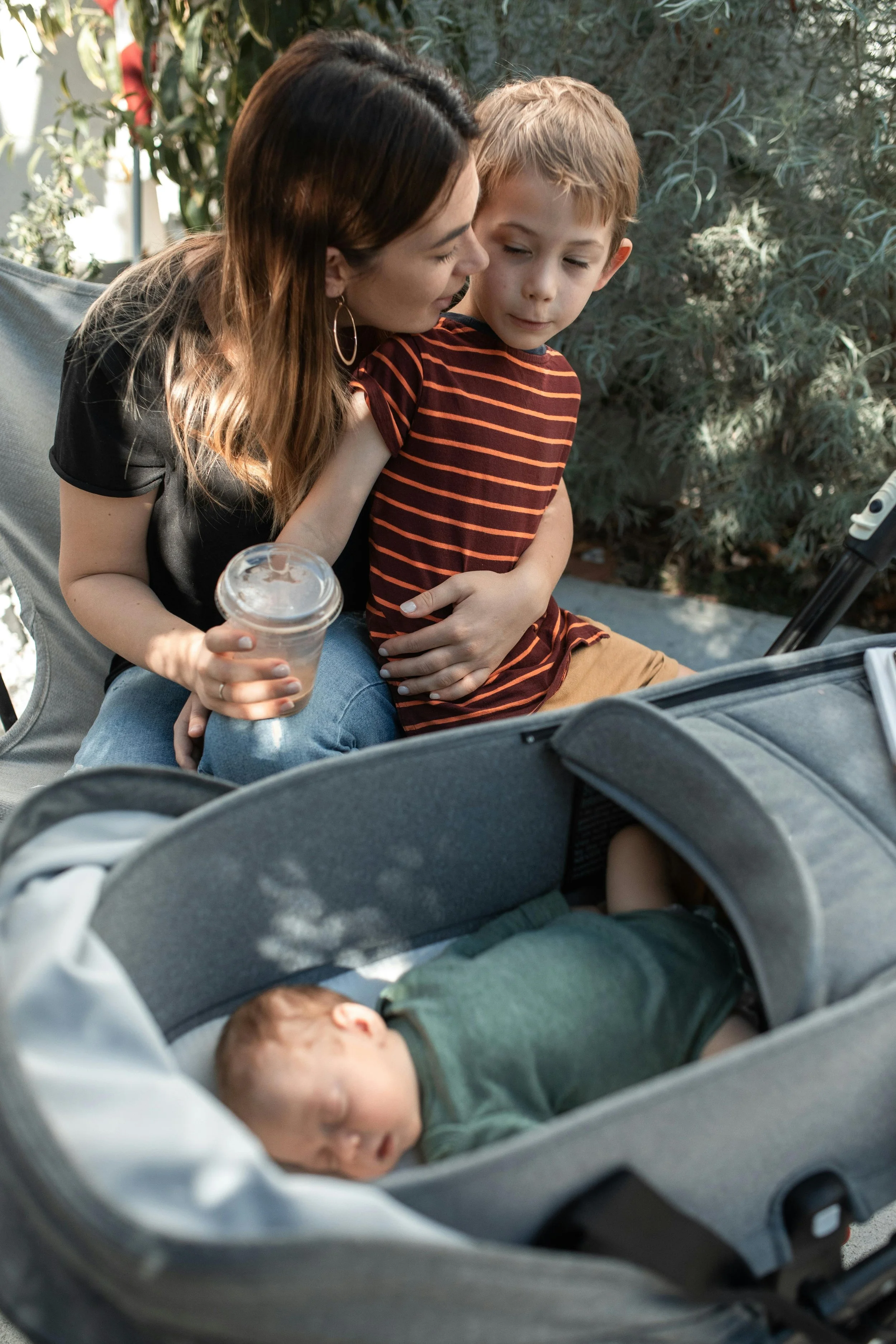
Features to look for in convertible strollers:
Multiple recline positions (flat for newborns to upright for toddlers)
Adjustable footrest and harness
Extendable canopy that works for different heights
Higher weight limit (40-50 lbs)
Durable construction that lasts years
Adding a stroller board for older siblings changed everything when my second baby came along. Practicing independence with the stroller prepares your baby for toddlerhood. Documenting milestone moments during walks has become a sweet tradition.
Establish Consistent Summer Walking Habits
Creating a sustainable walking routine has been one of the better things I've done for both my physical and mental health. A daily or weekly schedule helps make walking automatic rather than something you have to decide about each day. I walk Monday through Friday in the morning (unless it's dangerously hot).
Setting realistic goals is important for maintaining motivation. I started with "walk 10 minutes three times this week" rather than "walk an hour every single day."
My walking goals through summer:
Week 1-2: Three 15-minute walks
Week 3-4: Four 20-minute walks
Week 5-6: Five 25-minute walks
Week 7+: Daily 30-minute walks (adjust for heat)
Tracking walks using fitness apps keeps me motivated. I use a simple pedometer app that counts steps and distance. Joining local walking groups or parent meetups adds social accountability.
Preparing the stroller the night before eliminates morning excuses. I restock the diaper bag, charge the stroller fan, and leave everything by the door ready to go.
Night-before preparation checklist:
Restock diaper bag with all essentials
Charge stroller fan and phone
Pack cooler bag with ice packs
Lay out your walking outfit
Check weather forecast for next day
Set alarm 15 minutes earlier
Fill water bottles and put in fridge
Choosing signature routes that you love makes walking more appealing. I have my favorite tree-lined loop that's exactly 1.5 miles, a shady park route that's 2 miles, and a quick 0.75-mile neighborhood loop.
Celebrating small victories keeps motivation high. I celebrate showing up on a day I really didn't want to walk, trying a new route, or making it through a week without skipping any walks.
Seasonal adjustments I make:
Summer: Morning/evening walks, 20-30 minutes, heavy shade focus
Fall: Midday walks possible, 30-45 minutes, lighter sun protection
Winter: Midday only, bundle up, shorter walks
Spring: Variable timing, 30-40 minutes, watch for rain
Making walking non-negotiable (with exceptions) has been key. I treat walks like doctor appointments - they're in my schedule and I don't cancel them lightly. But I also give myself grace for genuinely dangerous weather days or days when I'm exhausted.
Having backup indoor activities for extreme weather prevents guilt. On days when it's genuinely too hot, I have a plan B - indoor mall walking, baby swimming at an indoor pool, or active playtime at home.
Building walking into my identity has made it stick. I think of myself as "someone who walks daily with their baby" rather than "someone trying to walk more."
Wrapping It Up
Summer stroller walks with your baby don't have to be stressful—they can be some of the most rewarding moments of your parenting journey. By implementing these 11 essential strategies, from timing your walks during cooler hours to mastering sun protection and recognizing overheating signs, you'll create safe and enjoyable outdoor experiences.
Remember, every baby is different, so trust your instincts and adjust these tips to fit your family's needs. Start slowly and don't be afraid to skip a day when conditions aren't ideal. Now grab your sunscreen, pack that stroller bag, and head out for an amazing summer adventure with your little one. Happy walking!
