Urgent Care vs. the Emergency Room: How Alaska Parents Can Choose the Right One
It's 9 p.m., your child has a fever that won't budge, or just fell off the monkey bars, and you're not sure where to go. Urgent care for children in Alaska has become a popular option for exactly these moments, but many parents still aren't clear on when it makes sense to head to an urgent care clinic versus when a trip to the emergency room is the safer call. Knowing the difference ahead of time, before you're standing in the kitchen at 9 p.m. trying to decide, can save your family time, money, and unnecessary stress.
In a state where the nearest hospital might be a short drive or a long flight away, understanding these options isn't just convenient information. It's a practical part of parenting in Alaska, where distance and weather can turn a simple decision into a bigger one if you wait too long to think it through.
The Core Difference: Severity, Not Just Convenience
The simplest way to think about the difference between urgent care and the emergency room is severity. Urgent care clinics are built to handle conditions that need attention soon but aren't life-threatening. Emergency rooms are built and staffed to handle conditions that could be life-threatening or that require immediate, intensive intervention.
That distinction shapes everything else: how each facility is staffed, how it's equipped, how long you'll wait, and what it will likely cost.
When Urgent Care Is the Right Choice
Urgent care clinics are well suited to common childhood health concerns that need prompt attention, including:
Fevers, colds, and flu-like symptoms
Ear infections and sore throats
Minor cuts that may need stitches or closure
Sprains, strains, and suspected minor fractures
Rashes, hives, and skin irritations
Vomiting, diarrhea, and mild dehydration
Minor allergic reactions
Sports physicals and school forms
These are situations where a child is uncomfortable and needs to be seen, but isn't in immediate danger. Urgent care typically means shorter wait times, lower costs, and a calmer, more kid-friendly environment than a hospital setting.
When the Emergency Room Is the Right Choice
Some situations call for the emergency room, full stop, regardless of distance or wait time. These include:
Difficulty breathing or persistent shortness of breath
A head injury involving loss of consciousness or ongoing confusion
Severe bleeding that won't stop with direct pressure
Signs of a severe allergic reaction, such as facial or throat swelling
A bone visibly out of place or protruding through the skin
Persistent high fever in an infant under three months old
Sudden changes in alertness, responsiveness, or behavior
Poisoning or suspected ingestion of a harmful substance
Emergency rooms are staffed around the clock with specialists and equipment designed for exactly these kinds of situations. When in doubt about something this serious, it's always better to go straight to the emergency room or call for help rather than lose time trying to decide.
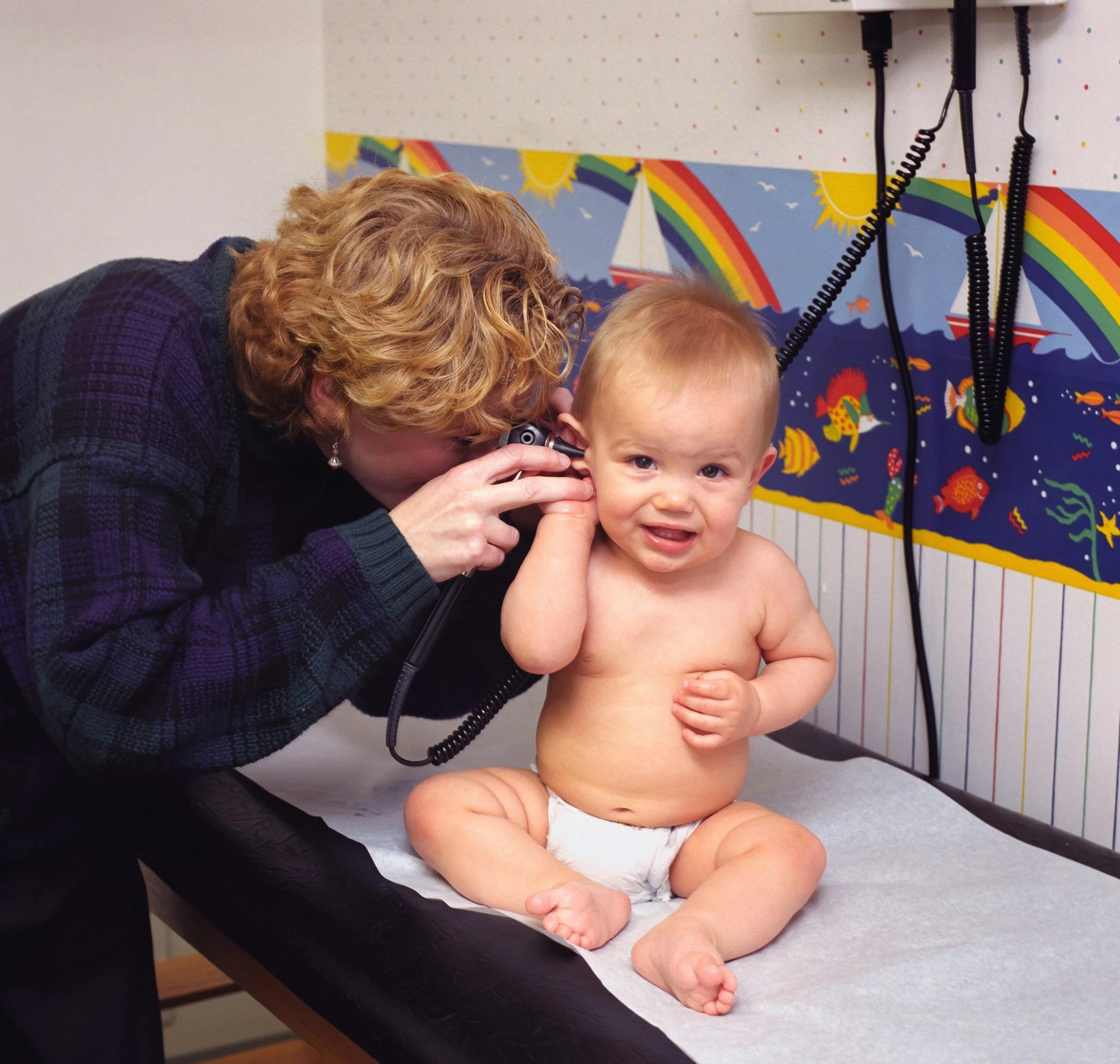
Why This Matters More in Alaska
Distance Changes the Calculation
For families in Anchorage, both urgent care and emergency room options are usually within a reasonable drive. For families in rural or remote communities, the nearest hospital might be hours away by road, or accessible only by small plane or boat. That reality makes it even more valuable to know, ahead of time, which situations genuinely require that trip and which can be handled closer to home.
Weather Is Always a Factor
Winter storms, poor road conditions, and limited flight schedules can turn a straightforward drive into a multi-hour ordeal, or make travel impossible for a stretch of time. Having a clear sense of your options, and a plan for what to do if the weather doesn't cooperate, is part of being prepared as an Alaskan parent.
A Simple Way to Decide
When you're not sure which way to go, ask yourself: is this something that could get seriously worse in the next hour, or is it something my child will still have tomorrow morning if I don't act right now? If the answer leans toward the second option, urgent care or a telemedicine consult is often the better starting point. If there's any real doubt about your child's safety, don't wait, go straight to the emergency room.
The Bottom Line
Urgent care and the emergency room both play an important role in keeping kids healthy, but they're built for different situations. Knowing which one fits the moment you're in, especially when you're dealing with Alaska's distances and unpredictable weather, means less second-guessing and more time spent actually taking care of your child.
Please note that the information in this article is for general educational purposes only and is not medical advice. If you need medical advice for yourself or your child, always contact a medical professional.