Baby's First Summer Activities: Safe Outdoor Experiences for Newborns and Infants
There's something wonderful about experiencing summer through a baby's eyes for the first time — the warm air, birdsong, light filtering through leaves. As a mom of five, I've lived this many times, and it never gets old. Still, it's natural to feel unsure about when it's safe to head outside and what your baby needs.
The American Academy of Pediatrics advises keeping babies under six months out of direct sunlight because their sensitive skin burns easily. With the right precautions—like shade, lightweight clothing, and timing outings for cooler parts of the day—families can still enjoy safe outdoor time together. This guide covers everything you need to know.
If you are still in the planning stage, our summer baby registry essentials is a great place to make sure you have everything you need before the season begins. And once your baby is settled into a rhythm, you might also find our newborn sleep tips helpful for building a routine that works around your outdoor time.
This post may have affiliate links, which means I may receive commissions if you choose to purchase through links I provide (at no extra cost to you). As an Amazon Associate, I earn from qualifying purchases. Read more about these links in my disclaimer policy.
Baby's First Summer Activities: Let's Get Started!
Best Outdoor Activities for Newborns (0–3 Months)
In the early weeks of life, outdoor activities do not need to be elaborate to be meaningful. Even a short, quiet outing can offer real developmental benefits for a newborn — and you may find it does you some good too.
Research shows that exposure to natural light in the first weeks of life helps babies begin regulating their circadian rhythm, the internal clock that distinguishes day from night. A brief morning outing at 8 a.m. is, in a very real sense, helping your baby build healthier sleep patterns over time. These early outdoor experiences also introduce a range of sensory input — light, sound, temperature, and movement — that lays important groundwork for cognitive development.
For newborns, the most appropriate outdoor activities are gentle and low-stimulation:
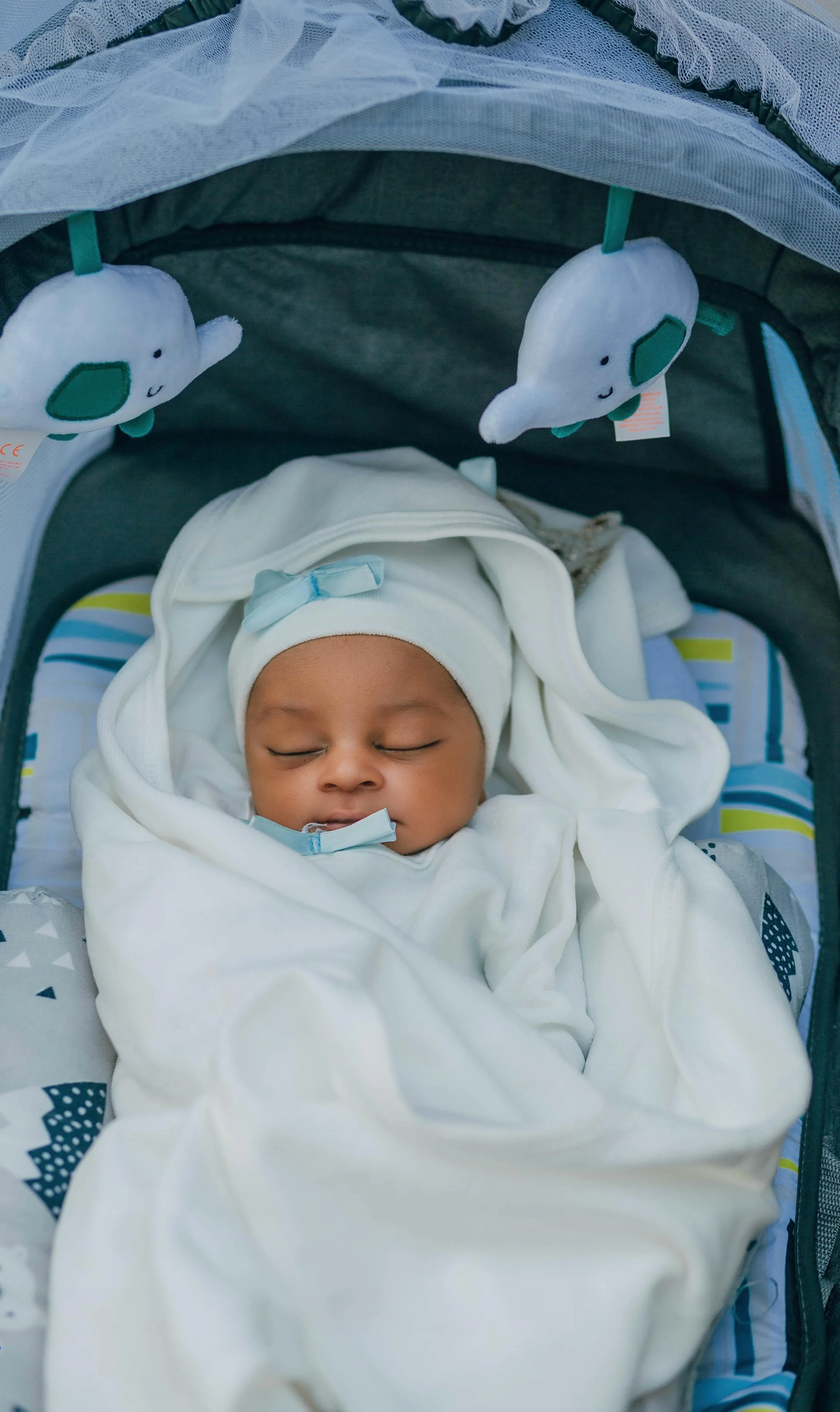
Shady stroller walks: Keep walks to 15–30 minutes in the early weeks. A muslin blanket draped over the stroller opening adds an extra layer of shade. Smooth, even paths are preferable to reduce jarring movement.
For more on making the most of these outings, see our guide to summer stroller walk tips with baby.
Blanket time in deep shade: Laying a soft blanket on grass in a fully shaded spot and allowing your newborn to rest and look around is more stimulating than it might appear. The movement of leaves overhead, ambient sounds, and subtle changes in light are all being actively processed by your baby's developing brain.
Exposure to natural sounds: Birdsong, wind, and running water are forms of early auditory stimulation that support sound processing development. Sitting quietly outdoors with your baby — without the background noise of screens or appliances — offers a calm and uniquely enriching sensory environment.
Skin-to-skin time in a shaded, breezy spot: On a cooler morning, a few minutes of skin-to-skin contact outside can support temperature regulation, reduce infant stress hormones, and strengthen the parent-child bond.
The key at this stage is attentiveness. Newborns communicate through movement and expression — squirming, turning the head away, and fussiness are all signals that they have had enough. Keep outings short, respond to those cues, and do not feel pressure to stay outside longer than feels right.
Something worth trying on walks is narrating your surroundings. Describing what you see — a passing dog, the color of flowers, the sound of the wind — is one of the most effective forms of early language exposure.
Studies on early childhood language development consistently show that the volume of words babies hear in their first year has a measurable impact on vocabulary and literacy in the years that follow.
Fun and Safe Summer Activities for Infants Ages 3–6 Months
By three months, babies are considerably more alert and engaged with the world around them. They are tracking moving objects with their eyes, responding to familiar voices, beginning to smile socially, and developing genuine curiosity about their surroundings. This is when outdoor time starts to feel truly interactive.
Outdoor tummy time is one of the most effective activities for this age group, and moving it outside adds a dimension that the living room floor simply cannot offer. The novelty of the outdoor environment — grass, moving leaves, shadows, distant sounds — gives your baby more to focus on, which tends to motivate them to lift their head higher and hold it longer. That is meaningful work for neck, shoulder, and core muscle development.
Recommended activities for the three-to-six-month range include:
Outdoor tummy time: Lay your baby on a soft blanket in full shade for five to ten minutes. The visual variety outdoors — insects, leaves, the texture of nearby grass — makes this a richer experience than indoor tummy time. For more inspiration, check out our summer sensory play ideas for babies.
Supervised texture exploration: At this stage, babies are beginning to reach and grasp. Allowing them to feel safe outdoor textures with your guidance — the smooth surface of a leaf, cool grass, the roughness of tree bark — supports tactile sensory development in an age-appropriate way.
Baby-wearing on walks: A breathable mesh carrier designed for warm weather — such as those made by Ergobaby or Lillebaby — keeps baby close while freeing your hands. Monitor regularly for signs of overheating by checking the back of your baby's neck for sweat, and take breaks in shade as needed.
Visits to shaded parks or botanical gardens: New environments offer rich multi-sensory stimulation. The variety of colors, scents, sounds, and faces in a park or garden is genuinely engaging for an infant's developing brain.
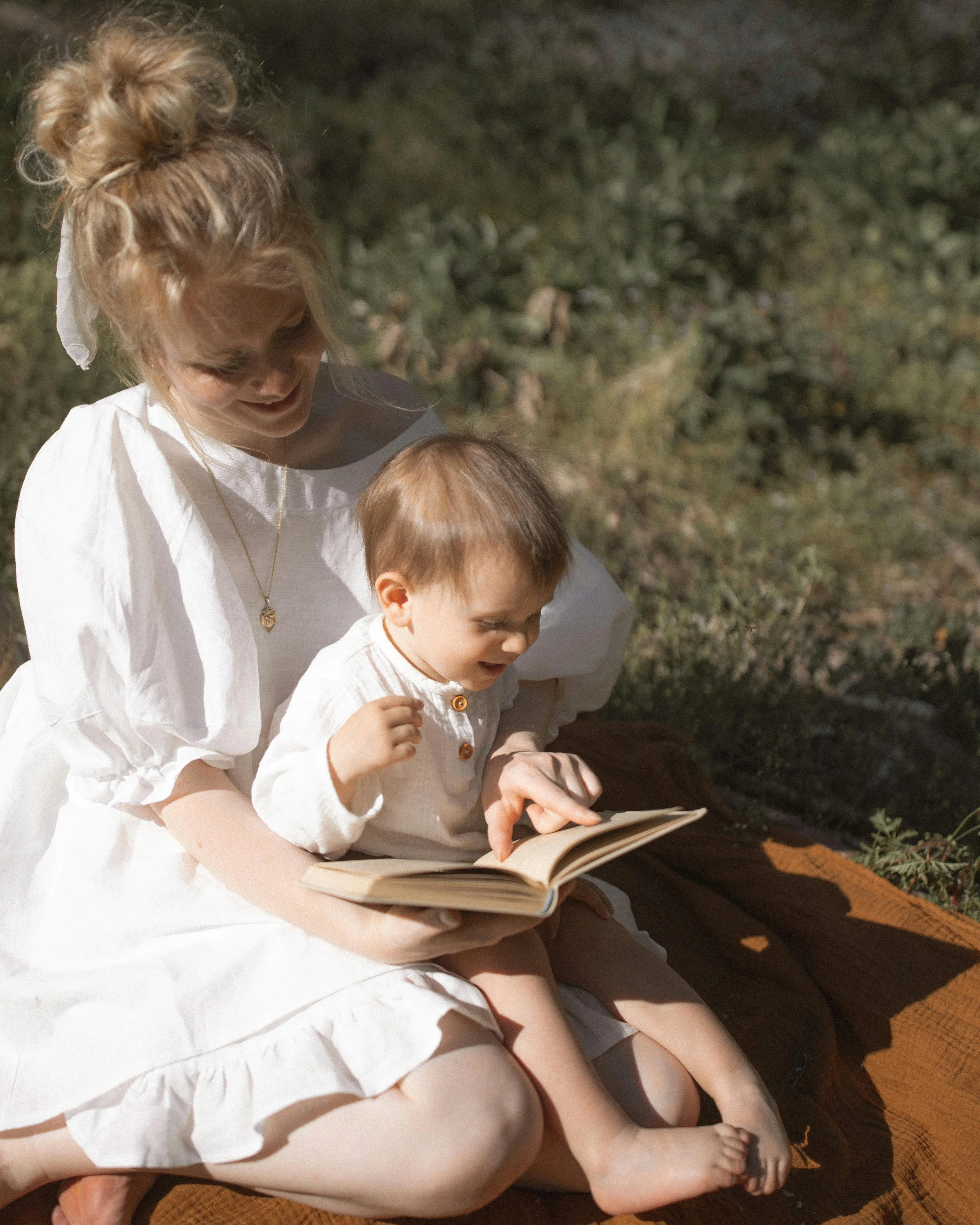
Outdoor reading and singing: Sitting in the shade and reading a board book or singing to your baby may seem simple, but language and music exposure at this age is actively building neural connections. The combination of a familiar voice with an outdoor setting makes for a calming and enriching experience.
On the topic of hydration: the AAP's guidance is clear that babies under six months should not be given water. Breast milk and formula already contain more than 80% water and provide all the hydration an infant needs.
Offering additional water at this age can dilute important electrolytes. In summer heat, the appropriate response is simply to feed more frequently, not to supplement with water.
For more support, our summer breastfeeding tips cover how to stay comfortable and keep your supply strong in the heat.
Exploring the Outdoors with Older Infants (6–12 Months)
The six-to-twelve-month range brings a significant expansion in what babies can safely do and enjoy outdoors. Most infants at this stage are sitting with support, reaching and manipulating objects, beginning to pull themselves up, and showing active curiosity about everything around them. Their tolerance for new experiences is greater, and their ability to communicate enjoyment or discomfort is more developed.
Water play becomes a popular and appropriate activity at this age — it is cooling, sensory-rich, and genuinely enjoyable for babies. However, it must always be supervised with complete, undivided attention. Drowning can occur silently and in as little as two inches of water, making focused adult supervision non-negotiable.
Activities well-suited to this age group include:
Supervised splash pads: Many parks and recreation areas offer splash pad facilities designed for infants and toddlers. The water is shallow, the surfaces are typically rubber or textured, and the environment is built with young children in mind. Dress your baby in a UPF-rated rash guard and schedule visits during the cooler parts of the day.
Backyard water mats: These low-profile inflatable mats are filled with a shallow layer of water and allow babies to splash and explore at ground level. They are widely available at major retailers for approximately $15–25 and are among the most accessible water play options for this age.
Outdoor sensory bins: A shallow plastic container filled with cool water, floating toys, ice cubes, or natural materials like soft leaves gives babies an opportunity to reach, grasp, splash, and explore. This type of activity supports fine motor development and sensory processing in meaningful ways.
Barefoot grass exploration: Allowing your baby to feel grass beneath their feet — or to sit directly on it — provides rich proprioceptive and tactile input. Reactions vary; some babies are immediately delighted, while others need time to adjust. Both are perfectly normal.
Bubble play: Blowing bubbles slowly at a low height encourages visual tracking as babies follow the movement, and batting at bubbles supports emerging hand-eye coordination.
Sandpit exploration: For older infants who are less likely to mouth everything immediately, supervised sand play offers valuable texture and cause-and-effect learning. Monitor closely and redirect if sand moves toward the mouth.
At this stage, outings can extend to outdoor community events — farmer's markets, outdoor library storytime, casual gatherings in parks. Social exposure to different faces, voices, and environments contributes to developing social cognition and a broader awareness of the world.
If you're also looking for ways to document these precious early moments, our summer newborn photo ideas are full of inspiration for capturing your baby's first season.
A note on surface temperatures: as babies become more mobile, hot surfaces pose a real risk. Pavement, metal playground equipment, and sand in direct sunlight can reach temperatures high enough to cause contact burns very quickly. Always test surfaces with your own hand before allowing your baby to touch or sit on them.
How to Set Up a Safe Outdoor Play Space for Your Baby at Home
Having a ready-to-use outdoor setup at home makes regular outdoor time much more sustainable, particularly in the early months when leaving the house requires significant preparation. Even a modest balcony, small patio, or shaded corner of a yard can be made into a safe and comfortable space with a few well-chosen items.
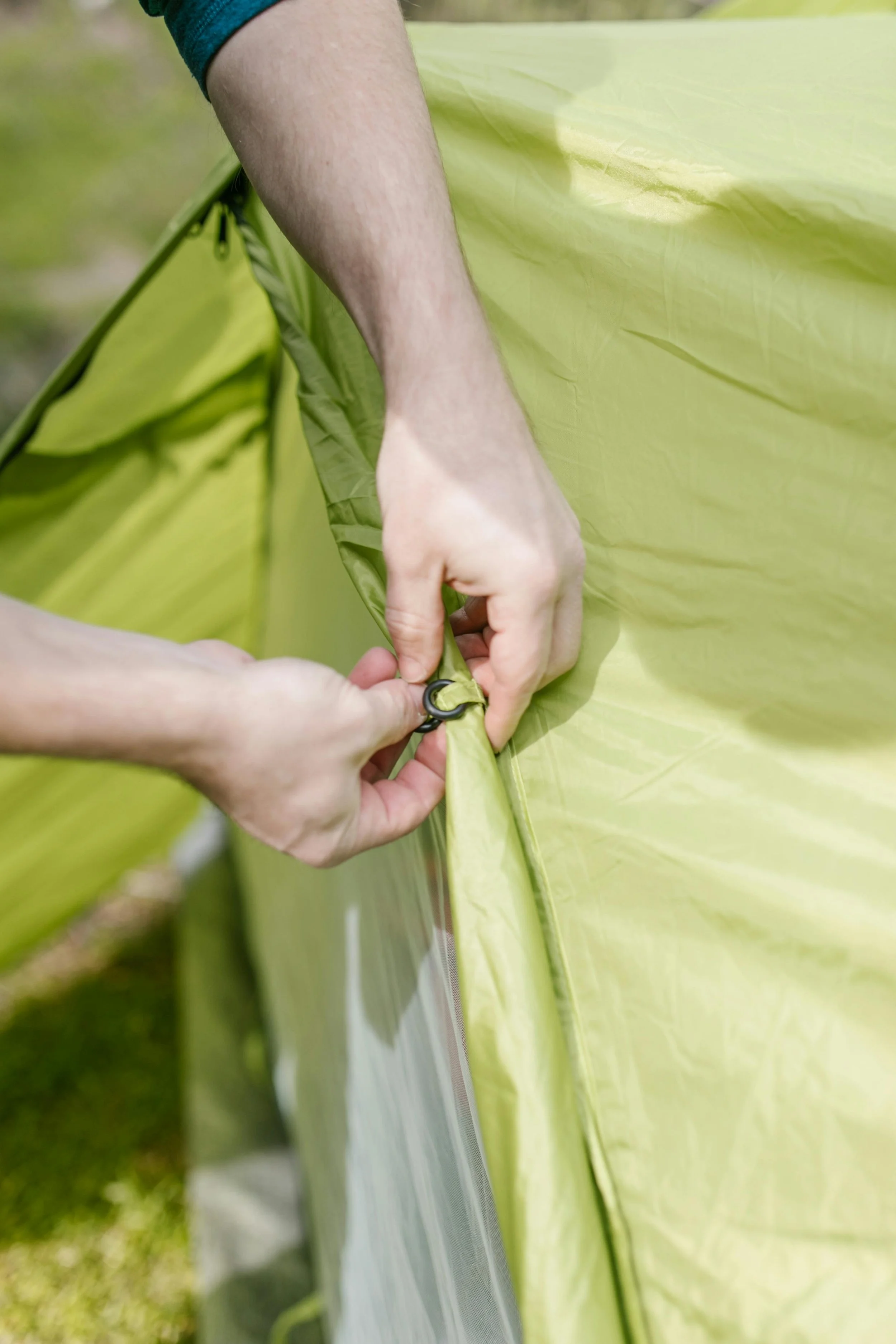
Recommended essentials for a home outdoor play area:
A UPF 50+ pop-up shade tent: These portable structures block UV rays effectively and create a cooler, shaded environment within any outdoor space. They fold flat for easy storage and are practical enough for daily use.
A waterproof, cushioned outdoor playmat: A foam mat that can be wiped clean and provides some cushioning is far preferable to placing your baby directly on hard ground. Look for one that is moisture-resistant and easy to dry.
A battery-operated clip-on fan: A gentle fan designed for strollers or playpens can make a noticeable difference in keeping your baby comfortable on warm days. Keep airflow mild and directed away from the face.
Appropriate insect protection: For babies under two months, the AAP recommends avoiding insect repellents entirely — a mosquito net over the stroller or play tent is the safest option. For babies two months and older, repellents containing up to 30% DEET, 20% picaridin, or IR3535 are considered safe at those concentrations. Always apply to your own hands first, then to your baby's skin, and avoid the hands, face, and mouth.
A small cooling kit: Keeping frozen teethers, damp washcloths, and a fine mist spray bottle in a small cooler nearby allows you to respond quickly if your baby becomes flushed or uncomfortable. A cool, damp cloth applied to the back of the neck is an effective and immediate way to reduce body temperature.
Position your outdoor space in the shadiest area available — ideally on the north or east side of your home, away from direct afternoon sun. If your space receives full afternoon sunlight, a large patio umbrella or shade canopy is a worthwhile investment.
Regardless of the setup, never leave your baby unattended outside. The combination of heat, uneven surfaces, and the speed at which an infant's condition can change makes continuous supervision essential.
Hydration and Feeding Tips for Babies During Summer Outings
Hydration is one of the areas where new parents most commonly have questions, and the guidance can feel counterintuitive at first. Understanding the age-specific recommendations clearly makes a real difference in keeping your baby safe during warm-weather outings.
For babies under six months: Water is not recommended, even in summer heat. Breast milk and formula already contain more than 80% water and provide all the hydration an infant needs. Offering additional water at this age can dilute sodium levels in the bloodstream and cause hyponatremia — a potentially serious electrolyte imbalance. The appropriate response to heat in a young infant is to feed more frequently, not to offer water.
For babies six months and older: Small amounts of water — approximately 2–4 oz per day, as suggested by the AAP — can be gradually introduced, particularly on warm days. At this stage, breast milk and formula remain the primary sources of both nutrition and hydration, and water is offered as a supplement rather than a replacement.
Additional feeding guidelines for summer outings:
Breastfeed in the shade whenever possible. Heat makes nursing less comfortable for both parent and baby. A lightweight muslin cloth can provide privacy while also serving as a shade layer. Our summer breastfeeding tips offer practical advice for staying cool and comfortable while nursing outdoors.
Keep prepared formula cool. An insulated bottle bag with an ice pack is an effective solution for on-the-go formula feeding. Discard any prepared formula that has been left unrefrigerated for more than one hour in warm conditions.
Pay attention to feeding cue changes. Heat affects appetite differently in different babies — some nurse more frequently due to thirst, while others feed less because heat suppresses hunger. Follow your baby's cues rather than a fixed schedule.
Pack extra supplies. Running low on feeding supplies during a summer outing adds unnecessary stress. Bringing more than you think you need is always the smarter approach.
Avoid outdoor feeding during peak heat hours. When possible, offer a full feeding indoors or in a cooled space before heading out.
Signs of dehydration in infants include a dry or sticky mouth, fewer than six wet diapers in a 24-hour period, a sunken fontanelle (the soft spot at the top of the head), and dark yellow urine. These signs warrant prompt contact with your pediatrician.
What to Avoid: Common Summer Safety Mistakes New Parents Make
Even well-prepared parents can encounter situations they did not anticipate. The following are among the most common warm-weather safety oversights — and some of them are easy to make without realizing it.
Leaving baby in a covered carrier or car seat for extended periods. Enclosed spaces like car seat canopies and covered carriers trap heat rapidly. Interior temperatures in a covered car seat can exceed 100°F even when ambient air temperature is in the low 80s. Check on your baby at least every 10–15 minutes when using any enclosed carrying system in warm weather.
Misjudging shade quality. Dappled light filtering through tree leaves is not the same as full shade. Direct patches of sunlight passing through the canopy can still cause sunburn on infant skin. Solid shade from a structure, umbrella, or UV-rated cover is necessary for adequate protection.
Relying on air temperature alone when assessing heat risk. Humidity significantly affects how heat impacts the body. A 90°F day with 70% humidity has a heat index that exceeds 100°F. Always check the "feels like" temperature through a weather service before planning an outing.
Over-dressing out of habit. Many parents have been taught to bundle babies heavily, but over-dressing in summer creates a genuine overheating risk. The general guideline is that babies need one additional layer beyond what a comfortable adult is wearing — in summer heat, that is often very little.
Underestimating water safety. Drowning is possible in minimal amounts of water, and it occurs silently. Any water play — at a splash pad, in a shallow sensory bin, or in a small inflatable pool — requires the full, undivided attention of a supervising adult. Even brief distractions increase risk significantly.
Applying insect repellent to baby's hands. Infants place their hands in their mouths continuously. Even properly formulated repellents should not be applied to a baby's hands. Apply to clothing and other areas of exposed skin — and always apply to your own hands first before transferring to your baby's skin.
If something feels off during an outing — if your baby seems unusually lethargic, stops responding normally, or shows a sudden change in skin color — trust that concern and act on it. Moving inside to cool down and calling your pediatrician is always the right response when you are uncertain.
Building Developmental Benefits Into Every Summer Outing
One of the most encouraging things to understand about outdoor time with an infant is that even simple outings offer genuine developmental value. You do not need structured programs or specialized equipment. The natural environment itself provides a rich, multi-sensory learning context that supports several key areas of infant development at once.
Here is what is actually taking place during those outdoor experiences:
Sensory development: Every outing exposes your baby to new textures, sounds, smells, and visual stimuli. The feel of a breeze, the contrast of light and shadow, the sound of distant voices — these are all forms of sensory input that the brain is actively processing and organizing. This processing is foundational to later learning.
Explore our summer sensory play ideas for babies for easy activities that build on these experiences.
Motor development: Activities like outdoor tummy time, reaching for objects, sitting on slightly uneven surfaces, and standing barefoot on grass all challenge the motor system in ways that a flat, indoor environment does not. These varied physical inputs support the development of both gross and fine motor skills.
Language development: Talking to your baby during outdoor time — describing what you see, naming objects and sounds, responding to their vocalizations — is one of the most effective forms of early language exposure. Research on the "word gap" consistently demonstrates that the quantity of language a child hears in the first year has a significant effect on vocabulary, literacy, and school readiness.
Circadian rhythm regulation: Natural light, particularly morning sunlight, plays an important role in establishing and maintaining an infant's internal sleep-wake cycle. Babies who receive consistent outdoor morning light exposure tend to show more regular sleep patterns over time.
Social awareness: Encountering other people, animals, and varied environments outside the home contributes to the development of social cognition — your baby's growing understanding of other people and how the world works.
A 2019 study published in Frontiers in Public Health found that outdoor play encourages higher physical activity and supports the development of children’s motor skills, highlighting the importance of outdoor environments for early childhood development. While that research focused on children slightly older than infants, the underlying developmental principles are well-established from early infancy onward.
A 20-minute shaded outing is not an insignificant thing. It is an opportunity for sensory input, language exposure, motor challenge, and connection — and those things accumulate in meaningful ways across a full summer.
Final Thoughts
Your baby's first summer is worth savoring. Those early outdoor moments — a small hand on a morning walk, wide eyes tracking a bubble, bare feet touching grass — are among the simplest joys of early parenthood.
Safe summer outings come down to a few principles: consistent shade, smart timing, appropriate clothing, and attention to your baby's cues. Start short, build gradually, and trust your instincts.
Outdoor time supports infant development in real ways, but beyond the research is something quieter: time spent fully present together. Those moments accumulate into something that matters. Summer is short — make the most of it.
And if you're looking for even more ways to celebrate this season with your little one, we have plenty more inspiration: from summer baby shower ideas and summer baby shower food ideas to summer postpartum self-care ideas for new moms who deserve a little attention too.
