Summer Breastfeeding Tips: How to Stay Hydrated, Cool, and Comfortable in Warm Weather
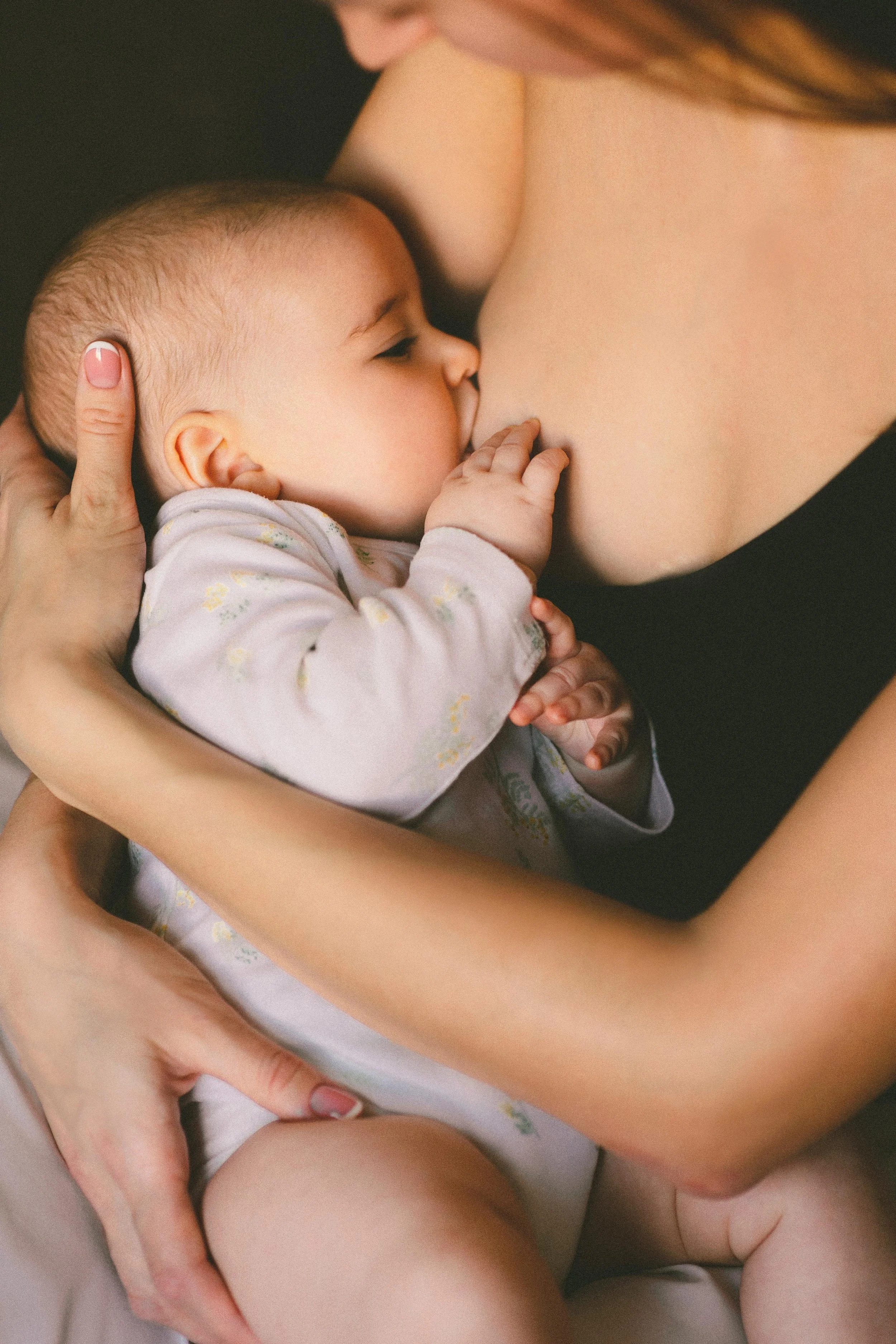
Something I wish someone had told me before my first summer nursing: breastfeeding increases your fluid needs because breast milk is mostly water. Experts recommend 13–16 cups of fluids daily, and even more when it’s hot. While breastfeeding doesn’t actually raise core body temperature, many parents feel warm during feeds—especially with a baby on their chest—so staying well-hydrated helps with both comfort and milk production.
The good news is a few intentional adjustments make a big difference. In this guide, I'm sharing the summer breastfeeding tips that actually helped me — covering hydration, nursing comfort, and lightweight clothing choices.
And if you're also navigating those exhausting early weeks, my newborn sleep tips are worth a read too. If you're still in the planning stage, you might also find our guide to summer baby registry essentials helpful as you prepare.
This post may have affiliate links, which means I may receive commissions if you choose to purchase through links I provide (at no extra cost to you). As an Amazon Associate, I earn from qualifying purchases. Read more about these links in my disclaimer policy.
What are Summer Breastfeeding Tips?
Why Hydration Is the #1 Priority for Breastfeeding Moms in Summer
Here's something worth understanding about hydration before we get into the specifics. Breastfeeding is already a significant fluid demand on your body. Breast milk is approximately 87% water, and your body is producing it continuously. Layer summer heat on top of that, and your fluid needs increase substantially.
When you're sweating in the heat and producing breast milk at the same time, your body draws from every water reserve it has. When those reserves run low, milk supply is often one of the first things to be affected. Many moms experience what feels like a supply drop during summer, when dehydration is actually the underlying cause. It's a fixable problem, but it can feel alarming if you don't know what's causing it.
Here's what you should know about daily hydration needs as a breastfeeding mom in summer:
The general recommendation is at least 13–16 cups (about 3–4 liters) of water per day for nursing moms
In summer heat or with physical activity, add another 1–2 cups at minimum
Breastfeeding increases daily water needs by roughly 16 additional ounces on top of the standard adult baseline
Thirst is a late indicator of dehydration — by the time you feel thirsty, you're already behind
Some early warning signs of dehydration are worth recognizing: fatigue beyond the usual new-mom tired, dark yellow or amber urine, persistent headaches, and lightheadedness. These can be easy to dismiss when you're busy, but they're your body asking for water.
The connection between dehydration and milk supply is well-documented. Your body prioritizes keeping you alive over producing milk, so when fluid levels drop, output can decrease. It doesn't always happen immediately, but over a day or two of inadequate hydration, many moms notice a difference. If your supply takes an unexplained dip during a heat wave, increasing your water intake is always the first step before assuming something else is wrong.
The Best Hydrating Drinks for Breastfeeding Moms (Beyond Plain Water)
Plain water is still the most effective option for hydration. That said, drinking 16 cups of plain water every day gets monotonous, and when something is hard to stick to, most people don't stick to it. There are solid alternatives that support hydration while keeping things a little more interesting.
One simple change that helped me drink significantly more was infusing water with fruit. Cucumber and mint is refreshing on a hot day. Strawberry and lemon works well too. It takes about two minutes to prep and makes staying hydrated feel less like a chore.
Here are the most useful hydrating drink options for nursing moms in summer:
Coconut water — A natural source of potassium, magnesium, and sodium. It helps replenish electrolytes lost through sweat without the added sugar found in many sports drinks. Look for unsweetened varieties.
Electrolyte drinks like LMNT or Liquid IV — These can be helpful after heavy sweating, but read labels carefully. Some contain herbs or high amounts of added sugar that aren't ideal while nursing. When in doubt, check with your healthcare provider.
Herbal teas — Fenugreek and red raspberry leaf tea are commonly used by nursing moms to support supply. However, large amounts of peppermint tea may reduce milk supply for some women, so it's worth being cautious with that one.
Hydrating smoothies — Blending spinach, frozen mango, banana, coconut water, and flaxseed creates a drink that's hydrating and supportive of milk production. Making a batch ahead of time and keeping it in the fridge makes this much easier to actually do.
Fruit-infused water — Sliced citrus, berries, or cucumber added to a pitcher and left overnight is simple, low-effort, and genuinely more appealing than plain water.
What to limit is equally important. Caffeine is a mild diuretic and can contribute to fluid loss — so leaning heavily on iced coffee in summer heat isn't doing your hydration any favors. This doesn't mean eliminating it entirely, but being mindful of the amount matters. Alcohol passes into breast milk and also causes dehydration, so it's best to limit it significantly while nursing.

Sugary drinks like lemonade, sweet tea, and soda may feel refreshing in the moment, but they don't hydrate as effectively as water or electrolyte-balanced drinks, and the sugar tends to cause energy crashes that make an already tiring time harder.
Smart Hydration Habits That Actually Stick for Busy Nursing Moms
Knowing you need to drink more water is straightforward. Actually doing it consistently — when you're managing a baby, possibly other children, and running on interrupted sleep — is a different challenge. Hydration tends to fall to the bottom of the list, which is exactly when it needs to be near the top.
One habit that tends to work well is what's sometimes called the "nurse and sip" method. Every time your baby latches, you take a drink of water. You're already sitting down for the feed, so the barrier is low. If you're nursing 8–12 times a day, that creates 8–12 built-in hydration moments. It works because it's attached to something you're already doing rather than requiring a separate action to remember.
Here are a few other practical habits worth building:
Keep a large water bottle — at least 32 ounces — at your nursing station at all times. Remove the friction of having to get up to find water during or after a feed.
Use a hydration app or set phone reminders. Apps like WaterMinder or Daily Water Tracker send gentle nudges throughout the day without being intrusive.
Prep hydrating snacks in advance. Watermelon slices, cucumber, strawberries, and orange segments are all high in water content and easy to grab between feeds.
Pack more water than you think you'll need when heading out. Don't rely on finding water on the go, especially during summer outings.
Drink a full glass of water first thing in the morning. You wake up slightly dehydrated after sleep, and starting the day with water sets a better foundation for the rest of it.
If you're also managing a toddler while nursing a newborn, hydration is even harder to keep track of. Keeping water bottles in multiple spots around the house — nursery, living room, kitchen — means you're never far from one regardless of where the day takes you.
For summer travel and road trips, plan your hydration the same way you plan everything else. Bring at least a gallon of water per person per day, pack a cooler with ice packs and pre-filled bottles, and build in rest stops where you can drink, stretch, and feed without rushing.
For more ideas on getting out with baby, our summer stroller walk tips can help you make those outings more comfortable for the whole family.
How to Make Nursing in Warm Weather More Comfortable
Holding a baby against your body for 20–30 minute stretches in hot weather is physically demanding. Skin-to-skin contact is valuable, but in the middle of August, it can feel relentless. There are real, practical things you can do to make nursing sessions more bearable — for both of you.
If you have air conditioning at home, your primary nursing station should be in the coolest room. A fan pointed away from you and baby (not directly at them) creates airflow without over-chilling a newborn. Keeping a small spray bottle of cool water nearby to mist your arms and neck between feeds is a low-tech option that works well.
Nursing positions matter more in summer than people realize. The traditional cradle hold involves significant body-to-body contact. These alternatives reduce shared heat:
Football hold — Baby is tucked under your arm at your side, away from your torso. This is one of the best options for reducing contact in warm weather.
Side-lying position — You lie on your side with baby facing you. This is cooler, requires less physical exertion, and works well for nighttime feeds or afternoon rest.
Laid-back or reclined position — You lean back at about a 45-degree angle with baby lying on top. Airflow around baby's back can help with temperature regulation.
A cool, damp cloth placed between you and baby's tummy during feeds is one of the more underrated summer nursing strategies. Keeping a few in the refrigerator wrapped in a thin towel keeps them accessible. Lightweight bamboo nursing pillows are also worth considering over standard foam ones, which tend to trap heat.
Knowing the signs that your baby may be overheating during a nursing session is important:
Flushed or reddened skin, particularly on the face
Rapid breathing
Excessive sweating
Feeling very warm to the touch on the chest or back
Fussiness or inconsolable crying during the feed
If your baby shows these signs, pause the feed, move to a cooler environment, and offer the breast again once they've had a chance to settle. Responding calmly and quickly is the right approach.
For nursing in public during summer, identifying shaded or air-conditioned spots ahead of time makes a real difference. Many malls and public buildings now have dedicated nursing rooms — it's worth knowing where they are in the places you visit regularly so you're not searching when baby is hungry.
Keeping Your Baby Comfortable During Summer Nursing Sessions
Babies, particularly newborns, are not efficient at regulating their own body temperature. Their thermoregulation systems are still maturing, which means they depend significantly on their environment and on you to stay comfortable. One thing worth knowing: breast milk actually adjusts its composition in hot weather to deliver more hydration. Your body is doing that automatically.
In warm weather, babies often want to nurse more frequently. This is normal and isn't necessarily a sign that your supply is inadequate. They're using breast milk as their primary water source, so increased feeding on hot days is their body's way of meeting hydration needs. Feeding on demand and keeping your own fluid intake up to meet the increased demand is the appropriate response.
For dressing your baby during summer nursing sessions:
A onesie or just a diaper is typically sufficient. Extra layers aren't necessary.
Avoid synthetic fabrics like polyester, which trap heat. Opt for 100% cotton or bamboo.
If you use a nursing cover, make sure there's adequate airflow around baby's face and back.
Loose, lightweight swaddles can provide the snug feeling some babies prefer without adding excessive warmth.
Heat rash is something that doesn't get mentioned much, but it does affect babies in summer. Small red bumps appearing in areas pressed against you during nursing — chest, neck, face — are likely heat rash. It's uncomfortable but not dangerous. Keeping those areas cool and dry, and allowing them to air out between feeds, typically resolves it.
Signs that warrant a call to your pediatrician include: lethargy, poor feeding, dry or sunken fontanelle (soft spot), or significantly fewer wet diapers than usual. For exclusively breastfed babies under 6 months, breast milk provides all the hydration they need — supplementing with water isn't necessary or recommended. But if something doesn't seem right, reaching out to your pediatrician is always the right call.
Between nursing sessions, keeping baby engaged and cool is important too. You might enjoy browsing our ideas for baby's first summer activities or summer sensory play ideas for babies to make the most of those awake windows.
Choosing the Right Lightweight Clothing for Summer Breastfeeding
What you wear while nursing in summer has a direct impact on how comfortable you are. Fabric choice especially matters more than most people expect before they experience it. A top that looks good but is made of synthetic material can become genuinely unpleasant within an hour in summer heat.
Here's a breakdown of the most useful fabrics for summer nursing wear:
Bamboo fabric — Soft, naturally moisture-wicking, thermoregulating, and gentle on sensitive postpartum skin. It tends to be slightly more expensive, but it's consistently one of the most comfortable options in heat.
Linen — Lightweight and breathable, well-suited to structured nursing dresses and tops. It wrinkles easily, but the airflow it provides is worth the trade-off for many moms.
Modal — A soft, breathable semi-synthetic fabric that works well for nursing tanks and bralettes.
Moisture-wicking cotton blends — More widely available and affordable. Look for "moisture-wicking" or "performance cotton" on the label.
What to avoid: fully synthetic fabrics like polyester or nylon trap heat and moisture against the skin. Underwire bras are also worth setting aside when possible during summer — the pressure on breast tissue can increase the risk of clogged ducts, particularly if you're already dealing with inflammation from the heat.
Key features to look for in summer nursing clothing:
Easy access — Clip-down straps, crossover necklines, or wrap-style fronts all work well. The simpler the access, the better, particularly during nighttime feeds or when you're out in public.
Loose, flowing silhouettes — These allow airflow and don't cling to the body throughout the day.
Darker colors or subtle patterns — Practical for managing leaks, which are a normal part of nursing.
Soft, stretchy waistbands — Comfortable for a postpartum body without adding pressure.
If you're still building out your postpartum wardrobe, our roundup of summer pregnancy outfit ideas has overlap with what works well for nursing too, especially in the early weeks.
The Best Summer Breastfeeding Clothing Picks for Every Budget
Staying comfortable while nursing in summer doesn't require spending a lot. There are solid options at most price points, and knowing which pieces are worth the investment helps you avoid buying things that don't actually work.
For budget-friendly options under $30, nursing tanks are the most practical starting point. Brands like Kindred Bravely and several Amazon basics lines offer clip-down nursing tanks in bamboo and cotton blends that hold up well. A good nursing tank layers under a cardigan for errands or works on its own at home. It's versatile and low-cost.
In the mid-range ($30–$80), nursing wrap dresses offer the best combination of comfort, accessibility, and versatility. A well-made wrap dress gives you easy nursing access, stays cool throughout the day, and works from home to a summer outing without needing to change. Brands like Storq, Seraphine, and Boob Design make reliable options in this range.
For nursing at the beach or pool, dedicated nursing swimwear has improved significantly in recent years. Some useful options to look for:
Tankinis with separate tops and bottoms — easy to pull up a panel for nursing access
Swimsuits with underwire-free cups that clip down — Cake Maternity and Anita both make these
A lightweight wrap or sarong for quick coverage between swims

A practical starting point for most moms: two or three nursing tanks and one good wrap dress or nursing dress. That combination covers most summer situations without requiring a significant investment, and you can add pieces as you identify what you actually need.
Building Your Summer Breastfeeding Routine for Success
A loose summer routine reduces the amount of scrambling that happens on hot, tiring days. It doesn't need to be rigid — it's more about ensuring the basics are in place before you need them.
Setting up a comfortable nursing station at home is a good first step. A useful setup includes: good airflow or access to a fan, a side table or surface for your water bottle and a snack, a phone charger within reach for longer sessions, and a lightweight muslin blanket nearby. It doesn't need to be elaborate — just functional and within reach.
For your summer nursing bag when heading out, these are the items most worth packing:
Large insulated water bottle, at least 32 oz
Hydrating snacks — fruit, granola bars, cheese
A lightweight nursing cover if you prefer one (muslin or mesh both work well in heat)
A change of clothes for baby
Nipple cream if you use it, since heat can increase sensitivity
Taking care of yourself during this season goes beyond nursing logistics. Our summer postpartum self-care ideas and tips for staying cool during pregnancy in summer are worth bookmarking too — many of the same strategies apply in the postpartum period.
One more thing worth saying directly: summer breastfeeding is physically demanding, and it's okay to acknowledge that on the hard days. If your supply drops, if nursing becomes painful, or if you're not sure what's normal, a certified lactation consultant is one of the most valuable resources available to nursing moms. A good lactation consultant can troubleshoot what's happening and give you personalized guidance that general articles can't provide.
You're doing something meaningful for your baby, and taking care of yourself in the process isn't optional — it's part of the equation.
Final Thoughts
Summer breastfeeding is genuinely challenging — heat, physical contact, and increased fluid demands all add up. But with a few adjustments, it's manageable.
Three things make the biggest difference: drink more water than feels necessary, adjust your nursing environment and positions to reduce shared heat, and choose breathable fabrics. Start small — keep a water bottle at your nursing station, swap one synthetic top for bamboo or linen, find a shaded spot at your local park.
When things feel hard or you're unsure what's normal, a certified lactation consultant is invaluable. You don't have to navigate it alone.
And if you're celebrating this season with a new arrival or a baby on the way, don't miss our posts on summer baby shower ideas, summer baby shower food ideas, and summer newborn photo ideas to make the most of this special time.
Frequently Asked Questions
How much water should I drink while breastfeeding in summer?
Aim for 13–16 cups (3–4 liters) daily, more in heat or with activity. A simple rule: drink a full glass every time your baby nurses.
Can dehydration reduce my milk supply in summer?
Yes. Breast milk is 87% water, so low fluid intake directly affects supply. If a supply dip coincides with hot weather, increase hydration first. If it doesn't improve within 24–48 hours, consult a lactation consultant.
How can I keep my baby from overheating during summer nursing sessions?
Nurse somewhere cool, use a damp cloth between you and baby, and try lower-contact positions like the football hold. Dress baby minimally and watch for signs of overheating: flushed skin, rapid breathing, or fussiness.
Are electrolyte drinks safe while breastfeeding?
Many are, but check labels — avoid high sugar, artificial sweeteners, or untested herbal additives. Coconut water or a simple homemade mix of water, sea salt, and lemon juice are reliable alternatives.
Is it normal for my baby to nurse more frequently in summer?
Yes. Babies use breast milk for hydration too, so they feed more in the heat. Keep your own fluid intake up to support the extra sessions.
What should I wear for breastfeeding at the beach or pool?
Look for nursing swimsuits or tankinis with clip-down access. A lightweight wrap offers easy coverage between swims. Use a reef-safe, mineral-based sunscreen — your sun protection matters too.
