Backyard Spring Refresh: 20+ Easy Ways to Transform Your Outdoor Space
Spring has a way of making you look at your backyard differently. After months of neglect, the idea of reclaiming your outdoor space is genuinely exciting — and surveys from the American Society of Landscape Architects consistently highlight strong homeowner interest in outdoor living spaces and landscape upgrades.
The good news: a spring refresh doesn't require a full renovation or large budget. Fresh mulch, a few well-chosen plants, and a clean patio can completely transform how a space looks and feels.
This guide covers everything from post-winter cleanup to patio upgrades, lawn care, and building an outdoor living space you'll love. Let's get started.
This post may have affiliate links, which means I may receive commissions if you choose to purchase through links I provide (at no extra cost to you). As an Amazon Associate, I earn from qualifying purchases. Read more about these links in my disclaimer policy.
Why a Backyard Spring Refresh Matters More Than You Think
It's easy to think of the backyard as an afterthought — just a patch of grass and a few chairs. But the condition of your outdoor space has a real effect on how you feel at home. Research from the University of Exeter shows that regular time in green spaces is associated with lower stress and improved mental well-being. That's a meaningful return for what might start as a weekend cleanup project.
There's also a practical case to be made. A thoughtfully maintained outdoor living space can boost curb appeal and potentially increase a home’s value by as much as 5% to 15%, according to real estate industry estimates. So what feels like a simple seasonal refresh is also a genuine investment in your property. Spring is the ideal time to tackle it — the weather is comfortable, plants are coming out of dormancy, and you have the entire summer ahead to enjoy the results.
Here's why spring specifically is the right season to act:
The ground has thawed and is workable again after winter
Mild temperatures make outdoor projects comfortable to tackle
Most perennials and shrubs are just waking up and respond well to care, division, and transplanting
Starting now means you'll actually enjoy the results for months before fall arrives
One thing I'll say from experience: waiting too long into spring is a mistake I've made more than once. By the time May turns into June, weeds have gotten a head start, and projects that would have taken a weekend end up taking much longer. Starting early — even just with cleanup — makes everything else easier down the line.
Start with a Clean Slate — Deep Cleaning Your Backyard
Before a single plant goes in the ground or a piece of new furniture gets placed on the patio, a thorough cleanup is essential. This is the step most people rush through or skip entirely — which is a shame, because it's the foundation for everything else you'll do. A clean, well-inspected backyard makes every subsequent improvement look better and last longer.
Here's the approach I follow each spring, in order:
Walk the entire yard first and take stock of what needs attention — broken branches, damaged structures, winter debris, low spots that collected water, anything that looks worse for wear.
Clear all debris — dead leaves, fallen limbs, and anything that accumulated over winter. Wet, compacted leaves in particular can harbor mold and disease, so it's worth being thorough.
Power wash hard surfaces — patios, walkways, decking, and outdoor furniture all benefit enormously from a good pressure wash. A basic electric power washer runs about $80–$150 at most home improvement stores, and the difference it makes on concrete and composite surfaces is remarkable.
Inspect structures carefully — fences, pergolas, raised beds, and retaining walls can shift or develop rot over winter due to frost heave and moisture. Better to catch small issues now before they become expensive repairs mid-summer.
Clean and condition outdoor furniture — metal furniture should be checked for rust, wood furniture for cracking or warping, and resin furniture for surface grime. A scrub with soapy water and a coat of teak oil or rust-resistant spray paint goes a long way.
For yard waste disposal, most municipalities offer spring compost drop-off sites or curbside yard waste pickup. A quick search for your city's waste management schedule will usually turn up options — and in many cases, the service is free. Some areas even offer free compost in exchange, which is a great bonus if you garden.
Plan for the deep clean to take one full day for an average-sized backyard if you're working at a steady pace. It's not the most glamorous part of a spring outdoor refresh, but once it's done, every other improvement you layer on top of it will look and feel significantly better.
Refresh Your Garden Beds for the New Season
Garden bed preparation is one of the most impactful things you can do for your outdoor space in spring. Done well, it sets the stage for healthy plants, fewer weeds, and less maintenance throughout the season. Done poorly — or skipped — and you'll spend the summer playing catch-up.
Here's a straightforward process that works well:
Step 1: Remove old plant material. Pull out dead annuals from last year, cut back dried perennial stalks, and remove any landscape fabric that's deteriorated or shifted. Old, broken-down fabric can trap moisture in damaging ways and is generally better replaced than patched.
Step 2: Aerate and amend the soil. Use a garden fork to loosen the top 8–10 inches of soil — this is especially important after winter, when soil tends to compact significantly. Once loosened, mix in 2–3 inches of compost to restore nutrients and improve drainage. Black Gold All Purpose Compost is a reliable option available at most garden centers for around $12 per bag and makes a noticeable difference in plant performance over the season.
Step 3: Apply fresh mulch. A 2–3 inch layer of shredded bark or wood chip mulch does three important things: it retains soil moisture, regulates temperature, and suppresses weed germination. For three medium-sized beds, expect to spend around $40–$60 on mulch — and it will typically last the entire growing season.
When it comes to spring planting, here are some reliable, widely available choices that perform well in most climates:
Pansies — Cold-tolerant and colorful, available in 6-packs for $4–$6 at most garden centers
Lavender — Fragrant, attractive to pollinators, and perennial in most USDA zones 5–9
Hostas — Ideal for shady areas and nearly foolproof for beginners
Coneflowers (Echinacea) — Native to much of North America, drought-tolerant, and excellent for supporting local pollinators
Ornamental grasses — Low-maintenance, add movement and texture, and come back reliably year after year
One tip that often gets overlooked: dividing existing perennials every 3–4 years actually improves their performance. Plants like hostas, daylilies, and black-eyed Susans become overcrowded over time and bloom less vigorously as a result. Dividing them in early spring — before new growth gets too tall — gives you healthier plants and free extras to fill in gaps elsewhere in the garden.
Upgrade Your Patio or Deck on a Budget
Your patio or deck is the central gathering point of your outdoor living space. It's where morning coffee happens, where guests gather on summer evenings, and where most of your outdoor time will actually be spent. After a winter of neglect, it often needs attention — but a full renovation is rarely necessary to make a significant improvement.
Start with the surface itself, since that's what sets the tone for everything else.
For wood decks: A weathered or graying wood deck can be dramatically improved with a cleaning and a fresh application of deck stain or sealant. Cabot Australian Timber Oil is a popular choice for cedar and hardwood decks — around $50 per gallon — and restores a rich, natural color while protecting against moisture. If individual boards are cracked or rotted, replacing only those boards (typically $3–$8 each at a lumber yard) is far more economical than a full deck replacement.
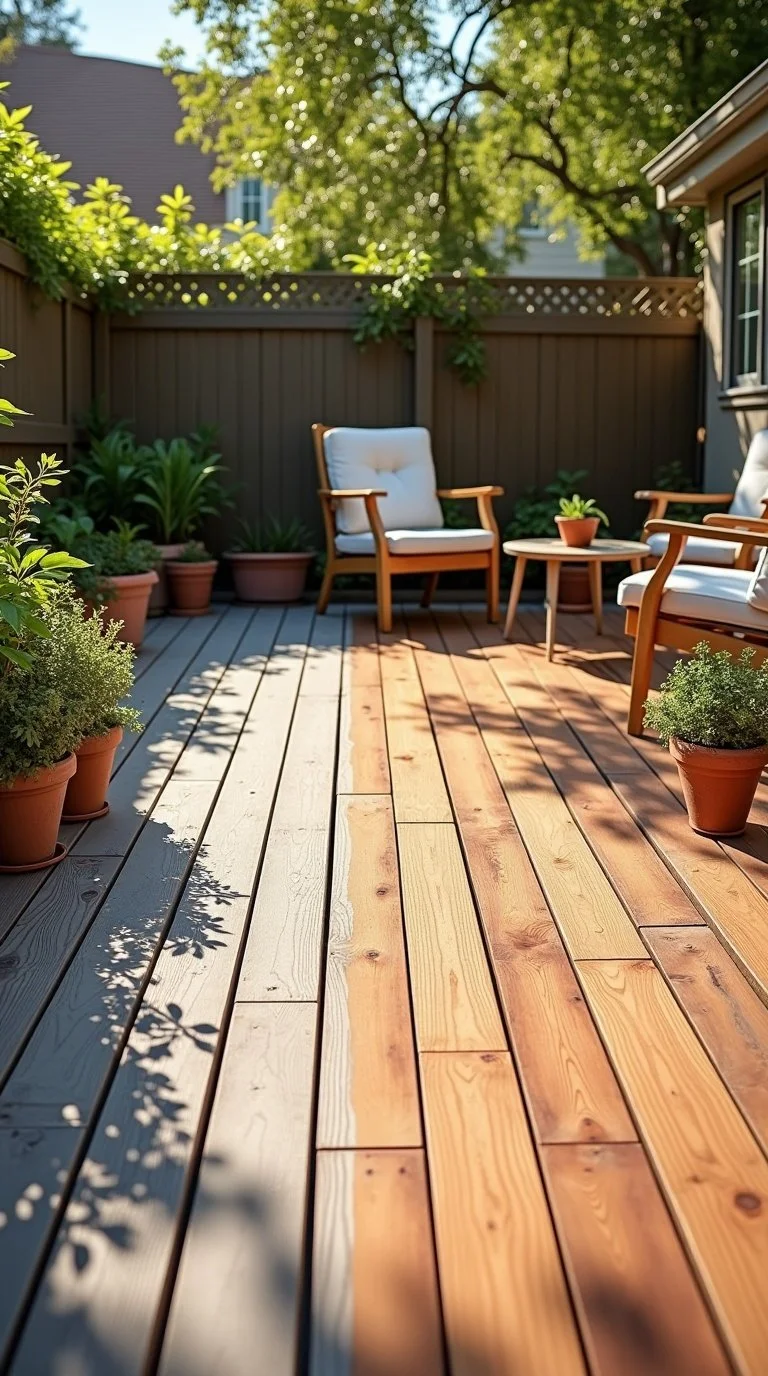
For concrete or stone patios: Power washing is often all that's needed to restore the surface. If the concrete is stained or discolored, a concrete resurfacer (around $30–$50 for a 40 lb bag) can cover a worn surface with a fresh layer without tearing anything out.
Beyond the surface, here are some budget-friendly patio upgrades that deliver real visual impact:
Outdoor rug: A weather-resistant rug ($40–$120) immediately defines the space and makes it feel more like a room and less like a slab of concrete
Updated cushion covers: Swapping faded cushion covers for fresh ones from IKEA or Amazon costs as little as $15–$20 per piece and completely changes the look of existing furniture
Spray paint for metal furniture: Rust-Oleum Painter's Touch in matte black or another neutral ($6 per can) can make tired wrought iron furniture look nearly new
Defined zones: Arranging furniture into distinct areas — a dining zone, a seating/lounging zone — makes even small patios feel more intentional and spacious
For shade, a cantilever umbrella (the side-mounted style) offers flexibility and typically runs $150–$300. A sail shade — a canvas panel strung between anchor points — is a more affordable option at $30–$80 and gives a clean, modern look. If you want something more permanent, prefabricated pergola kits from retailers like Costco or Wayfair range from $500–$1,200 and are designed to be installed over a single weekend.
Outdoor Lighting Ideas to Elevate Your Backyard Ambiance
Outdoor lighting is one of the most underestimated elements of a backyard refresh. The right lighting transforms a space after sunset, extending the hours you can comfortably use your outdoor area and adding an atmosphere that daytime décor simply can't replicate. I've seen modest patios become genuinely inviting spaces simply because someone took the time to hang a few well-placed lights.
Here's a look at the options worth considering:
String lights are the most versatile and popular choice. Solar-powered string lights — like the Brightech Ambience Pro (around $35) — are easy to install and maintain themselves during the day. For brighter, longer-lasting light, plug-in LED string lights are the better option, provided you have an outdoor outlet nearby. Hanging them in a grid pattern overhead creates a warm, canopy effect; draping them along a fence line is more subtle but still effective.
Pathway lighting serves both a safety function and an aesthetic one. Solar-powered stake lights are the simplest option — no wiring required, just press them into the ground along walkways or garden borders. GIGALUMI solar path lights (roughly $25 for a set of 8) have earned consistently strong reviews and hold up well through multiple seasons. Look for models rated at 400 lumens or more for adequate brightness.
Spotlighting creates dramatic effect at a relatively low cost. Ground-mounted spotlights aimed upward at trees, planters, or architectural features produce a professionally landscaped look. Govee makes waterproof outdoor spotlights in the $40–$60 range that work well for this purpose.
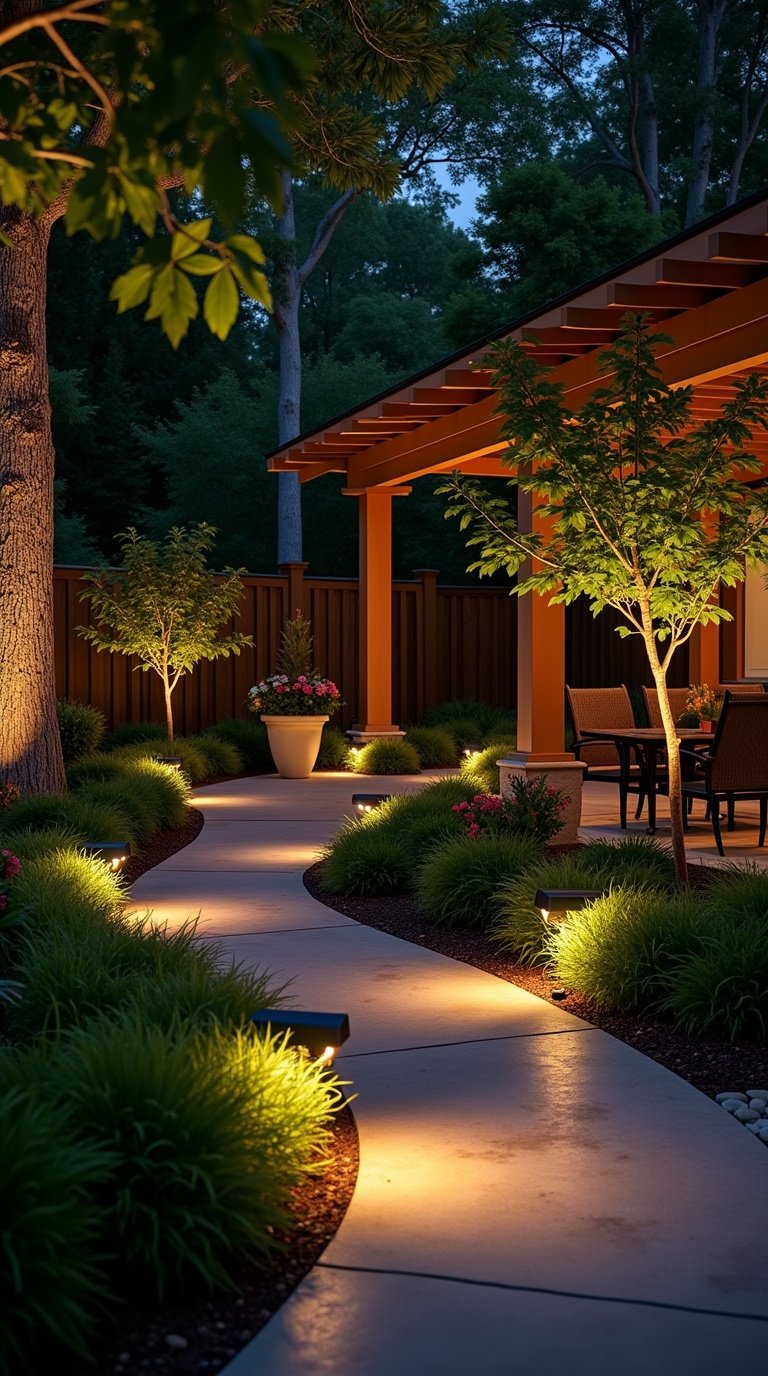
For those who want more control and convenience, smart outdoor lighting systems — like Philips Hue Outdoor or Govee's smart line — allow you to adjust brightness, color, and schedules from a smartphone. Setting lights to turn on automatically at sunset is a small feature that makes outdoor entertaining noticeably easier.
One note worth sharing: inexpensive solar lights often disappoint. Fixtures from discount bins tend to last only a few weeks before performance drops significantly. With solar lighting especially, brands with genuine warranties and strong customer reviews are worth the modest price difference.
Add Life with Container Gardens and Potted Plants
Container gardening is one of the most accessible and rewarding ways to add color and life to your outdoor space — regardless of how much ground you have to work with. It's particularly valuable for patios, balconies, and yards where most of the surface is hardscaping.
A design principle that works consistently well is the "thriller, filler, and spiller" approach:
Thriller — a tall, structural plant that creates vertical interest (ornamental grass, canna lily, tall salvia)
Filler — medium-height plants that add volume and color around the thriller (petunias, impatiens, marigolds)
Spiller — trailing plants that cascade over the container's edge (sweet potato vine, creeping jenny, bacopa)
Even a single large container arranged with this formula can look intentional and designed rather than random.
Reliable spring container plants include:
Petunias — long-blooming, widely available, and around $3–$4 per plant
Herbs (basil, mint, rosemary, chives) — practical, fragrant, and well-suited to containers
Ferns — excellent for shaded areas where flowering plants struggle
Succulents — ideal for hot, sunny spots with minimal maintenance
Calibrachoa — small, prolific blooms with no deadheading required
Container size matters significantly. A 12-inch pot can feel limiting quickly, especially as plants fill in through the season. For a full, lush look, aim for containers that are at least 16–18 inches in diameter. Larger containers also retain moisture longer, which reduces how often you need to water.
Self-watering planters are worth considering if consistent watering is a challenge. The Lechuza line is well-regarded among gardeners, but solid options are also available from Target and Amazon in the $20–$40 range. These containers use a bottom reservoir that plants draw from as needed — a particularly useful feature during travel or busy stretches.
For vertical interest and privacy, wall-mounted planters, trellises with climbing vines, and vertical pallet gardens are all effective options. A pallet garden — built from a reclaimed wooden pallet lined with landscape fabric and filled with potting mix — is a low-cost project that creates a striking garden wall and adds privacy to small patios.
Create an Outdoor Living Space You'll Actually Use
This is where the practical becomes personal. Cleaning, planting, and lighting all contribute to a better outdoor space — but designing an area that's genuinely comfortable and functional is what makes you actually want to spend time there. It's worth thinking carefully about how you use your backyard before making purchases.
Start with seating, since it's the foundation of any outdoor living area. Weather-resistant materials — powder-coated aluminum, resin wicker, and teak — hold up best over time and require relatively little maintenance. Mid-range patio sets from retailers like Wayfair or Hayneedle typically run $300–$600 for a table and four chairs, which represents solid value for quality that will last several seasons. Before buying new, Facebook Marketplace is worth checking — quality patio furniture turns up regularly at a fraction of retail price.
Additional features worth considering for family-friendly spaces:
A fire pit creates a gathering point for cool spring evenings. A basic steel fire pit costs $60–$150; propane models run $200–$500 and offer cleaner, more convenient burning
A hammock adds casual comfort and is especially popular with kids and teenagers. Brazilian-style cotton hammocks are more comfortable than rope versions and retail for $40–$80
A clearly defined children's play zone — whether a sandbox, small playset, or soft turf area — keeps equipment organized and gives adults a separate space to relax
For outdoor cooking, you don't need a built-in kitchen to create a functional setup. A dedicated corner of the patio with a covered grill, a small outdoor prep cart, and good organization goes a long way toward making outdoor cooking enjoyable rather than cumbersome.
The most important consideration, though, is designing around how you actually use the space. If outdoor dinners with guests are your main use case, a good dining setup takes priority. If your backyard time is mostly quiet and solo, a comfortable chair, a side table, and good lighting may matter far more than a large dining set. Spaces that reflect real habits get used; spaces designed around aspirational ones often sit empty.
Sustainable Spring Refresh Ideas for Eco-Conscious Homeowners
Making your outdoor space more sustainable doesn't require dramatic changes — and in many cases, the most eco-friendly choices also happen to be the most economical over time. Here are some practical options worth adding to your spring refresh plan.
Start a compost system. A basic compost bin ($30–$50, or free if you build one from repurposed pallets) converts kitchen scraps and yard waste into rich fertilizer. With a reasonable mix of green materials (vegetable scraps, coffee grounds) and brown materials (dried leaves, shredded cardboard), you can have usable compost within 2–3 months. It's one of the most cost-effective ways to improve your soil over time.
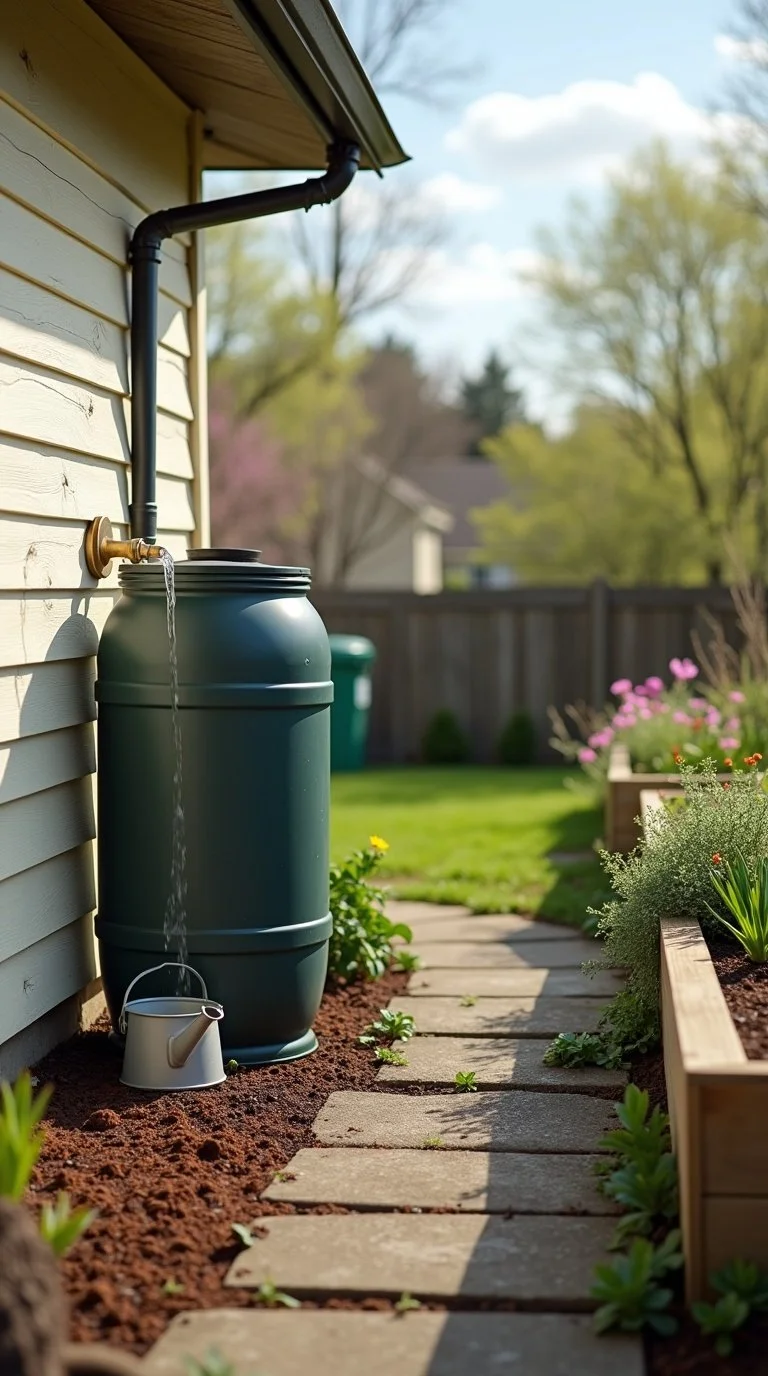
Install a rain barrel. A 50-gallon rain barrel collects roof runoff through your downspouts and stores it for garden use. They typically cost $80–$120 and can offset thousands of gallons of municipal water use over a growing season. Many local water utilities offer rebates on rain barrel purchases — it's worth checking your provider's website before buying.
Incorporate native plants. This is one of the highest-impact sustainable choices you can make in your yard. Native plants are adapted to local climate conditions, require less supplemental watering, rarely need fertilizer, and actively support native pollinators like bees and butterflies. The Audubon Society's Native Plant Finder at audubon.org/native-plants allows you to search by zip code for species that are well-suited to your specific region.
Transition to organic lawn and garden care. Conventional synthetic fertilizers and herbicides can run off into local waterways and affect soil health over time. Organic alternatives like Milorganite fertilizer (a slow-release option made from recycled organic material) and corn gluten meal as a pre-emergent weed suppressant perform well and are significantly safer for children, pets, and local ecosystems.
Budget-Friendly Backyard Refresh Ideas Under $100
A meaningful backyard refresh doesn't require a large budget. Some of the most impactful improvements cost very little — and in some cases, nothing at all. Here are practical, high-value ideas for getting the most out of a modest investment.
DIY projects with strong visual impact:
Paint a focal point: An exterior-painted accent section of fence or wall behind your seating area (exterior paint runs about $30 per gallon) creates a designed, intentional look. A deep navy or forest green can make a simple patio feel significantly more polished.
Build a basic raised bed: A 4x4 foot raised garden bed can be built from untreated cedar boards for $20–$40 in materials and is a beginner-level weekend project.
Create plant markers: Painted stones, wooden stakes, or repurposed silverware make charming and zero-cost herb or garden markers.
High-impact, low-cost weekend projects:
Refresh mulch in all garden beds ($40–$60 for most yards, immediate visual improvement)
Power wash all hard surfaces (rent a washer for around $40, or borrow one if possible)
Hang solar string lights over the patio (under $35, transformative after dark)
Add a birdbath or bird feeder ($15–$30) for natural movement and wildlife interest
Plant a container herb garden ($20–$30 for pots, potting mix, and starter plants)
Final Thoughts
A backyard spring refresh is one of the most rewarding home improvement projects you can take on — the results are immediate and lasting. From cleanup to garden beds, lighting, and outdoor living, each step builds toward a space you'll genuinely want to spend time in.
Simply start. Pick one area and give it your full attention before moving on. Small, deliberate improvements consistently outperform ambitious plans that never begin.
Your outdoor space has real potential, whatever your budget. This spring can be the season you finally make your backyard somewhere you love coming home to.
