How to Create an Eco-Friendly Spring Home in 2026
Did you know household waste can rise in spring due to activities like spring cleaning and yard work? I didn't realize that until one April when I felt genuinely guilty about all the plastic I'd tossed — and with five kids, our spring cleanups are no small thing. That moment changed how I approach the season entirely.
Spring invites a fresh start, but traditional spring cleaning can quietly take a toll on the environment — harsh chemicals, single-use wipes, plastic bottles, and clutter headed straight for the landfill. As a mom of five, I also couldn't ignore what those chemicals meant for little hands touching every surface.
Building a more eco friendly spring home routine has been simpler and less expensive than I ever expected. Start with a good declutter, then follow this room-by-room guide to make your home a little greener this spring.
This post may have affiliate links, which means I may receive commissions if you choose to purchase through links I provide (at no extra cost to you). As an Amazon Associate, I earn from qualifying purchases. Read more about these links in my disclaimer policy.
Eco Friendly Spring Home
The Ultimate Eco-Friendly Spring Cleaning Checklist
Spring cleaning tends to be where most people want to start, and that makes sense — it's the most visible part of a seasonal reset. I used to spend multiple weekends on it with a full cart of store-bought products. These days, I work from about five core ingredients that handle almost everything.
The Core DIY Cleaning Kit
Before going room by room, it helps to build a simple foundation. These are the ingredients I rely on for the vast majority of my cleaning needs, and most of them are probably already in your pantry.
White distilled vinegar — diluted 1:1 with water, it cleans glass, counters, and most hard surfaces effectively.
Baking soda — a gentle abrasive that scrubs, deodorizes, and works as a drain cleaner when combined with vinegar.
Castile soap — a plant-based concentrated soap suitable for dishes, floors, and general surfaces.
Essential oils (tea tree, lavender, lemon, eucalyptus) — these contribute genuine antibacterial and antifungal properties, not just fragrance.
Hydrogen peroxide (3%) — a natural disinfectant that works well in bathrooms and on cutting boards.
My go-to all-purpose spray is simple: 1 cup water, 1 cup white vinegar, 15 drops of tea tree oil, and 10 drops of lemon essential oil in a glass spray bottle. It smells clean and it works. I've had skeptical friends try it and come back asking for the recipe.
Room-by-Room Spring Cleaning Guide
I find it helps to take one room per weekend rather than attempting the whole house at once. Trying to do everything in a single day tends to lead to shortcuts and general exhaustion.
Kitchen — usually the most involved:
Wipe down cabinets inside and out with the all-purpose spray.
Clean the oven with a paste of baking soda and water left overnight, then wipe clean — no fumes, no harsh chemicals.
Scrub the sink with baking soda, rinse, then spray with undiluted white vinegar and allow it to fizz.
Check the pantry and compost anything expired. Donate canned goods you won't realistically use.
Swap out plastic storage bags and plastic wrap for glass containers, silicone bags, or beeswax wraps.
Bathrooms — where people tend to reach for the strongest products:
Toilets: Pour 1 cup of baking soda into the bowl, add 1 cup of white vinegar, let it fizz for 15 minutes, then scrub.
Grout: Mix baking soda with a small amount of castile soap to form a paste, apply, and scrub with an old toothbrush.
Mirrors and glass: Undiluted white vinegar in a spray bottle with a microfiber cloth leaves surfaces streak-free.
Shower curtain: Wash in the washing machine with a few towels on a warm cycle, then hang to air dry.
Living areas and bedrooms are generally more straightforward — dust, vacuum, wash curtains, and declutter. When it comes to decluttering sustainably, this order tends to work well:
Donate usable items to local thrift stores, shelters, or Buy Nothing groups in your area.
Sell items with value on Poshmark, eBay, Facebook Marketplace, or at a local garage sale.
Repurpose what you can — old t-shirts work well as cleaning rags, glass jars become storage containers.
Recycle what you can't repurpose. Local recycling guidelines vary, so it's worth a quick check.
Compost organic materials like paper, cardboard, and natural fabrics where possible.
The landfill should be the last resort, not the default.
For cleaning tools, I've moved to bamboo dish brushes (around $4–8 each, lasting several months), reusable microfiber cloths in place of paper towels, and compostable Swedish dishcloths, which can replace up to 17 rolls of paper towels each. That figure sounds inflated — I thought so too until I tracked it myself.
One area that's easy to overlook is water use during cleaning. Running full loads in the dishwasher and washing machine, using a bucket when mopping rather than leaving a tap running, and sweeping outdoor areas before reaching for a hose all make a meaningful cumulative difference.
Sustainable Spring Home Decor Ideas That Actually Look Beautiful
When I first started thinking about sustainable decor, I pictured something fairly utilitarian — natural, but not particularly attractive. That assumption turned out to be wrong. Some of the most thoughtfully designed spaces I've come across are also the most eco conscious. It really isn't an either/or.
Biophilic Design: Bringing the Outside In
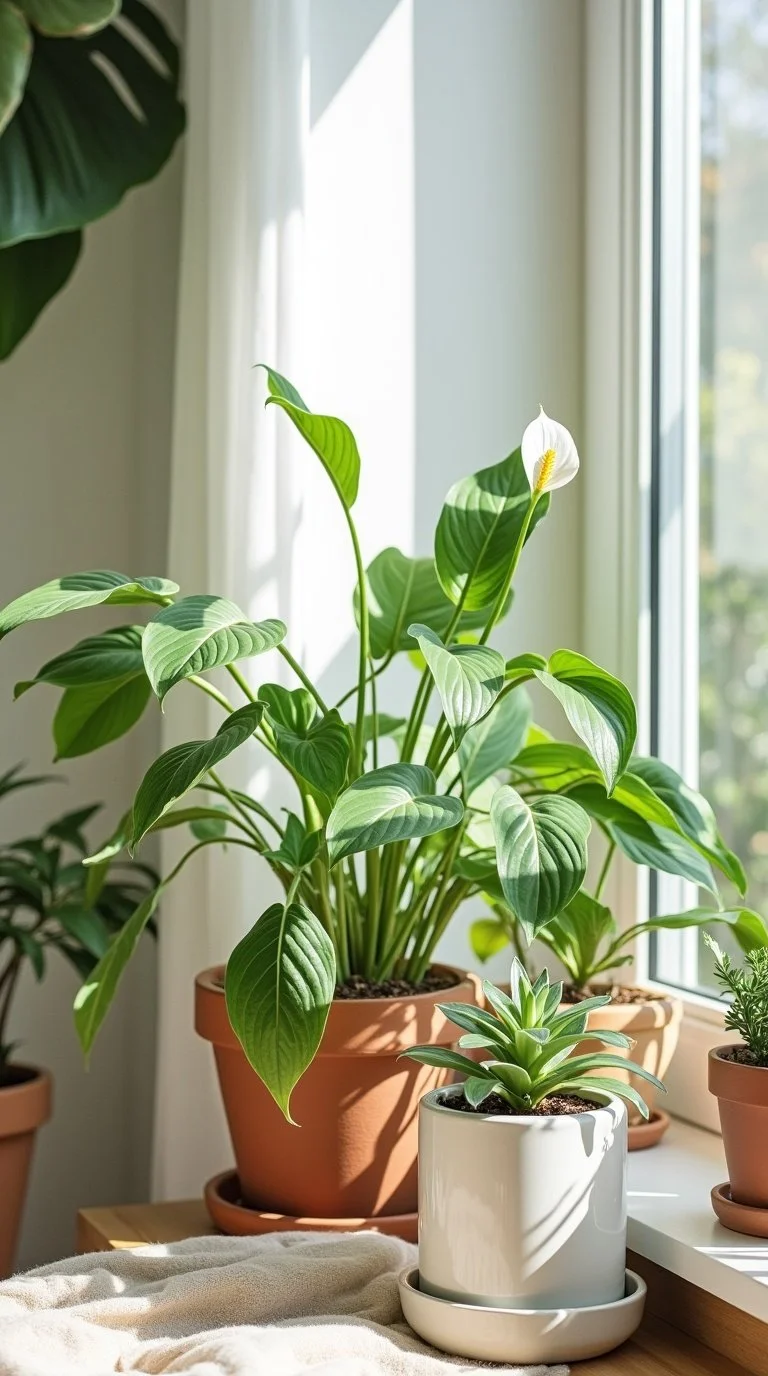
Biophilic design is built on the idea that people feel better when connected to the natural world — and spring is an ideal time to bring that indoors. It doesn't require a major renovation. A few well-placed plants can shift the atmosphere of a room considerably.
Some good options for spring:
Pothos — hardy and adaptable, trails beautifully on shelves, and helps filter formaldehyde and benzene from indoor air.
Peace lily — does well in low light, produces white blooms in spring, and can absorb ammonia from the air.
Snake plant (Sansevieria) — converts CO2 to oxygen at night, making it a thoughtful choice for bedrooms.
Spider plant — well-suited for kitchens and bathrooms, and filters carbon monoxide and xylene from the air.
Windowsill herbs — basil, mint, and rosemary are practical additions that also happen to smell wonderful.
NASA's Clean Air Study found that certain houseplants can remove up to 87% of air toxins within 24 hours. More recent research suggests you'd need a high density of plants to fully replicate those results in a real home, but even a handful noticeably improves air freshness — and the aesthetic benefit is worth something on its own.
Thrift, Upcycle, and Shop Secondhand First
My approach before any seasonal decor purchase is to check thrift stores, Facebook Marketplace, and local Buy Nothing groups first. There's consistently good quality to be found, and some of my most-used pieces at home were bought secondhand for a fraction of the new cost.
A few upcycling approaches that have worked well:
Vintage glass jars repurposed as vases or bathroom organizers.
Old wooden crates from thrift stores, painted and stacked as shelving.
A secondhand ladder hung horizontally as a pot rack in the kitchen.
Fabric scraps from old curtains made into throw pillow covers using no-sew iron-on hem tape.
For new purchases, I look for brands using organic cotton, linen, recycled materials, or sustainably harvested wood. Certifications worth looking for include GOTS (Global Organic Textile Standard) for textiles and FSC (Forest Stewardship Council) for wood products. Specific third-party certifications are a more reliable signal than general sustainability language in marketing.
Natural Fragrance and Eco-Friendly Candles
Most conventional candles are made from paraffin wax — a petroleum byproduct — and release soot and VOCs when burned. Soy wax and beeswax candles burn more cleanly and tend to hold fragrance well.
When choosing a sustainable candle:
Soy wax or beeswax as the base — not paraffin.
Cotton or wood wicks — metal-core wicks can release trace metals when burned.
Essential oil fragrance rather than synthetic fragrance, which can be a blend of undisclosed chemical compounds.
Brands I've found reliable: P.F. Candle Co., Brooklyn Candle Studio, and Fontana Candle Co.
For fragrance without candles, a diffuser with quality essential oils is a straightforward option. Spring combinations worth trying: eucalyptus and lemon, bergamot and lavender, or simply fresh rosemary from the kitchen.
In terms of color palette, spring 2026 trends toward earthy, grounded tones — terracotta, sage green, warm cream, dusty rose. These pair naturally with linen, jute, and reclaimed wood. Something as simple as swapping synthetic throw pillows for linen ones can shift the feel of a room in a way that's hard to fully anticipate until you've tried it.
Energy-Efficient Home Upgrades for the Spring Season
This is where the potential for real, ongoing savings is most significant. Energy costs represent one of the larger household expenses, and spring is a practical time to address efficiency before summer cooling demands arrive.
Do a DIY Home Energy Audit
A professional audit is worth pursuing if your utility offers one — many do, at no cost. For a basic self-assessment on a windy day, these checks are a reasonable starting point:
Hold a lit incense stick or a thin piece of tissue near window and door frames. Movement indicates a draft.
Check your attic hatch — a disproportionate amount of heating and cooling escapes through poorly insulated attic access points.
Feel exterior walls on a cool morning from the inside — consistent coldness suggests insulation may be inadequate.
Look for gaps around pipes, outlets on exterior walls, and where utilities enter the home.
I found drafts around three windows and my front door during my first self-audit. About $40 in weatherstripping and foam tape resolved all of them, and my energy bill dropped noticeably the following month — roughly $18–22 less per month, which adds up to more than $200 over the course of a year.
Practical Spring Energy Improvements
These are the changes I've made and what the impact actually looked like:

LED bulbs — the Department of Energy estimates that fully switching to LEDs saves up to $225 per year per household. I made the transition gradually over two years, and it was worth the effort.
Smart thermostat — the EPA's ENERGY STAR program estimates average savings of $50 or more annually on heating and cooling. Within a week of installation, mine had learned our schedule and was adjusting automatically.
HVAC filter replacement — a clogged filter forces the system to work harder and reduces air quality. Replacing with a MERV-8 or MERV-11 filter every 60–90 days keeps airflow efficient.
Strategic window use — on mild spring mornings, cross-ventilation through windows on opposite sides of the house can cool a home naturally and delay air conditioning use.
Re-caulking windows — old silicone caulk shrinks and cracks over time. Re-applying it takes about two hours and roughly $12 in materials.
What About Solar?
Spring is a reasonable time to gather quotes for solar installation. Demand tends to be lower than in summer, and installers are generally more available. Whether solar makes sense depends on roof orientation (south-facing is ideal), local utility rates, applicable incentives, and how long you plan to remain in the home.
The federal Residential Clean Energy Credit currently covers 30% of installation costs through 2032. A typical residential system runs $15,000–$25,000 before incentives, with most homeowners reaching break-even in 7–10 years. In states with net metering — where utilities purchase back excess power you generate — the financial case can be stronger. EnergySage is a useful resource for comparing quotes from multiple installers.
Even without solar, addressing drafts, upgrading to a smart thermostat, and switching to LED lighting can reduce annual energy bills by 15–25%. That's a meaningful result without a large upfront investment.
Creating a Sustainable Outdoor and Garden Space This Spring
Getting an outdoor space ready for spring is one of the more satisfying parts of the season. There was a time when I did it in ways that weren't particularly good for the environment — synthetic fertilizers, herbicides, plastic planters, an irrigation timer running on a fixed schedule regardless of whether it had just rained. Adjusting those habits turned out to be easier than I anticipated.
Starting a Compost
Composting is one of the highest-impact eco friendly habits you can build at home, and it's considerably more straightforward than most people assume going in. I put it off for years thinking it would be complicated and unpleasant. It isn't.
The fundamentals:
You need a balance of "greens" (nitrogen-rich: fruit scraps, vegetable peels, coffee grounds, grass clippings) and "browns" (carbon-rich: dry leaves, cardboard, paper, straw).
Aim for roughly a 2:1 ratio of browns to greens by volume.
The pile should be moist but not waterlogged — like a wrung-out sponge.
Turning it every one to two weeks adds oxygen and speeds up decomposition.
In 2–3 months — faster in warm weather — you'll have finished compost that's genuinely useful for garden beds and containers.
Without a yard, countertop bins let you freeze scraps for drop-off at a community composting site. Many cities now offer curbside compost collection as well — worth checking your local waste management website.
Rainwater Harvesting
A 50-gallon rain barrel connected to a downspout fills up faster than most people expect. A single inch of rainfall on a 1,000 square foot roof generates more than 600 gallons of runoff. Most of that simply flows away unused. A rain barrel captures a portion of it and provides free water for the garden throughout the season.
Rain barrels are available at most home improvement stores for around $80–$150. Some municipalities offer them at a discount or free as part of water conservation programs — a quick check with your local water utility can save you money here.
Native Plants and Pollinator Gardens
Native plants — species that occur naturally in your region — are substantially easier to maintain than most non-native ornamentals. They've adapted to local soil, rainfall, and climate conditions, so they typically need less water, no synthetic fertilizer, and minimal pest intervention.
They also support pollinators. Bees, butterflies, and other beneficial insects are under real pressure from habitat loss, and a home garden planted with native species can make a meaningful local contribution. A few spring-blooming natives to look for, depending on your region:
Wild columbine (Aquilegia canadensis) — distinctive red and yellow blooms that attract hummingbirds.
Coneflower (Echinacea purpurea) — favored by bees, drought-tolerant once established.
Black-eyed Susan (Rudbeckia hirta) — easy to grow from seed, cheerful yellow blooms throughout spring and summer.
Milkweed (Asclepias spp.) — essential habitat for monarch butterflies.
Bee balm (Monarda) — attracts bees, hummingbirds, and butterflies simultaneously.
For lawn care, I switched to an organic fertilizer — Milorganite is widely available and EPA-approved — and stopped using any herbicide. Weeds are managed by hand or with a hoe. It takes a bit more effort, but the soil health has improved over time, and there's no concern about children or pets on the lawn.
Eco Friendly Kitchen and Pantry Swaps for Spring
The kitchen is where a significant share of household waste originates, and it's where I had to make the most deliberate adjustments. I relied heavily on plastic storage bags and plastic wrap for years. The alternatives available now perform well and last considerably longer.
Zero-Waste Food Storage
A few swaps, with an honest assessment of each:
Glass containers with locking lids (Pyrex and OXO are both reliable) — durable, versatile, safe from freezer to oven, and easy to see into. This was the most useful switch I made.
Beeswax wraps (Bee's Wrap is the primary brand) — work well for produce, cheese, and covering bowls. They don't seal as tightly as plastic wrap in every situation, but they handle most everyday uses well.
Silicone bags (Stasher bags) — a larger upfront cost at $10–15 each, but mine have held up for three years without any issues.
Cloth produce bags — lightweight mesh for the farmers market and grocery store, easy for cashiers to see through.
One practical note: beeswax wraps aren't appropriate for raw meat. Freezer-safe glass containers are the better option there.
Spring Seasonal Eating and Local Produce
Eating seasonally and locally is one of the more enjoyable eco friendly habits I've developed — the food genuinely tastes better, and the environmental rationale is solid. Produce that's in season locally requires less transportation and less cold storage time.
Spring produce typically at peak in most of the US between March and May:
Asparagus — one of the first reliable signs of spring at the farmers market.
Snap peas and English peas — excellent eaten raw when genuinely fresh.
Spinach, arugula, and spring lettuces — at their best before summer heat causes them to bolt.
Radishes, green onions, and leeks.
Strawberries — earlier in the south, May through June in northern states.
Rhubarb — underused and quite good in sauces, chutneys, and desserts.
LocalHarvest.org is a helpful resource for finding farmers markets and CSA (Community Supported Agriculture) programs nearby. CSA memberships typically involve paying upfront for a weekly box of local produce through the growing season — often good value, and a practical way to cook with a wider range of vegetables.
Sustainable Kitchen Swaps
A few changes worth making, introduced gradually rather than all at once:
Bamboo cutting boards in place of plastic — plastic boards develop knife grooves that can harbor bacteria, so there's a functional benefit here beyond the environmental one.
Stainless steel or bamboo utensils instead of plastic spatulas and spoons.
Compostable dish sponges (Twist or Full Circle brands) — synthetic sponges shed microplastics into wastewater with each use.
Concentrated dish soap (Branch Basics, Blueland) that dissolves in your own reusable bottle, significantly reducing plastic packaging waste.
A dish brush with replaceable heads rather than discarding and replacing the whole brush each time.
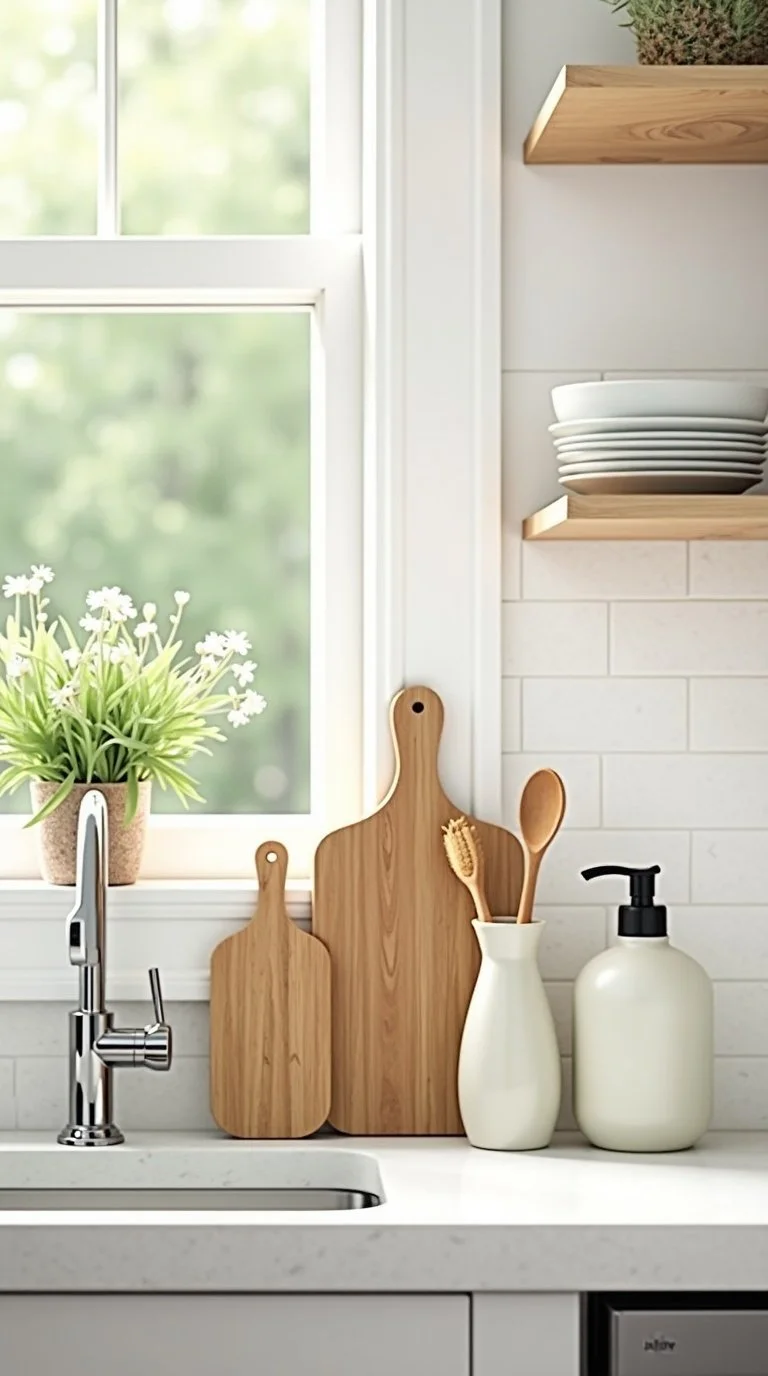
Food waste deserves a specific mention. According to ReFED, food waste accounts for roughly 4% of US greenhouse gas emissions annually. A loose weekly meal plan built around what's already in the refrigerator is one of the more effective ways to address this — not glamorous, but genuinely impactful.
Sustainable Laundry Practices for a Greener Spring
Laundry might not be the first place people look for eco friendly improvements, but the cumulative impact of roughly 300 loads per year — the average for an American household — is real when you add up energy, water, and microplastic pollution.
Washing: Temperature and Load Size
The most impactful single change in a laundry routine is switching to cold water. About 90% of the energy used in a standard wash cycle goes toward heating the water, not running the machine itself. Modern detergents are formulated to perform well in cold water, and fabrics tend to hold up longer because heat degrades fibers over time.
Other practical adjustments:
Run full loads — a half-full machine uses nearly as much water and energy as a full one.
Use the eco or quick wash setting when it's available — it uses less water and often performs just as well for lightly soiled items.
Skip the extra rinse cycle unless washing diapers or heavily soiled clothing.
Consider a GuppyFriend bag or Cora Ball in the wash to capture microplastic fibers shed by synthetic fabrics — an increasingly documented contributor to ocean plastic pollution.
Detergent: What to Look For
Conventional laundry detergents often contain synthetic fragrances, optical brighteners, and phosphates — compounds that don't fully break down in wastewater treatment and can affect aquatic ecosystems. Plant-based alternatives have improved substantially and are worth trying.
Brands I've used and found effective:
Seventh Generation Free & Clear — widely available, fragrance-free, reliable in cold water.
Meliora — a B-corp brand offering laundry powder in a cardboard box, minimal packaging waste.
Dropps — pods in a compostable cardboard box that dissolve reliably in cold water.
Branch Basics Laundry Concentrate — higher upfront cost, but highly concentrated and long-lasting.
One thing worth noting: some laundry pods use plastic film that doesn't fully dissolve in cold water or break down in wastewater treatment. Look for pods with PVA film that's certified as biodegradable, or opt for a powder or liquid formula in a reusable container.
Drying: A Simple and Effective Change
Line drying is the most eco friendly option available, and spring is well-suited for it. Mild temperatures and light breezes dry clothes reasonably quickly, and they come in smelling genuinely fresh.
For situations where line drying isn't practical:
Wool dryer balls — six per load will separate the laundry, improve airflow, and reduce drying time by 25–30%. They last for hundreds of loads and eliminate the need for dryer sheets entirely.
A few drops of essential oil on a dryer ball will add a light natural scent if you prefer that.
Cleaning the lint trap before every load keeps the dryer running efficiently and is an important fire safety step.
The lowest effective heat setting protects fabrics and uses less energy than higher settings.
For the spring wardrobe refresh itself, donating or selling what you no longer wear is worth the small effort involved. The fashion industry accounts for roughly 10% of global carbon emissions annually, and choosing secondhand options — ThredUp, Poshmark, or local thrift stores — when you do need something new is one of the more straightforward ways to reduce that footprint.
Final Thoughts
You don't need to overhaul your routine all at once. Choosing just two or three things from this guide and following through will have a genuine impact — on your home's air quality, your monthly expenses, and the waste your household generates.
Start small: swap a cleaning product, add a plant, try one cold-water laundry load. These aren't dramatic changes, but they add up.
I've made plenty of mistakes along the way — bought greenwashed products, made choices I later regretted. That's part of the process. The point isn't perfection; it's consistent progress. Pick one thing this week and do it.
Frequently Asked Questions
What is the easiest way to start making my home more eco friendly this spring?
Start with one swap in one room. The kitchen is a good first focus — a beeswax wrap, a DIY cleaner in a spray bottle, and a small compost bin can all be done this week for under $30.
Are eco friendly cleaning products really as effective as conventional cleaners?
For everyday cleaning, yes. Vinegar, baking soda, and castile soap handle most tasks well. The exceptions are heavy rust removal and stubborn drain clogs, where conventional products still have an edge.
What houseplants are best for spring air quality?
Spider plants, pothos, peace lilies, and snake plants are reliable choices that are also forgiving to care for. Adding herbs like basil and mint near a sunny window is a practical bonus — they smell great and you can cook with them.
Does sustainable spring cleaning actually save money?
Yes. White vinegar replaces multiple cleaners for a few dollars, reusable cloths cut paper towel costs (the average household spends ~$182/year), and cold-water laundry can reduce energy use per load by up to 90%.
How do I reduce waste when decluttering for spring?
Follow a clear priority order: donate, sell, repurpose, recycle, then landfill as a last resort. Sort into labeled boxes before making decisions. For furniture or bedding, call local shelters first — they often arrange pickup.
Is spring a good time for energy-efficient home upgrades?
Yes. Contractors are less busy, mild weather makes installation easier, and many utilities run spring rebate programs. Call your local utility to ask what's available — it costs nothing and can lead to real savings.
