How to Create a Soft Surreal Spring Aesthetic in 2026
Have you ever looked at a photograph and felt, just for a moment, like you were standing inside a dream — colors a little too soft, shapes slightly fluid, the whole scene hovering right at the edge of real? That feeling is exactly what the soft surreal spring aesthetic is after, and in 2026, it's one of the most compelling visual trends around.
According to Pinterest’s 2026 trend report, search interest in visually imaginative aesthetics — reflects growing interest in more creative, surrealist beauty and design ideas. In this guide, I'll walk you through everything from the aesthetic's artistic roots and color palette to how to apply it to your wardrobe, home, photography, and digital presence.
This post may have affiliate links, which means I may receive commissions if you choose to purchase through links I provide (at no extra cost to you). As an Amazon Associate, I earn from qualifying purchases. Read more about these links in my disclaimer policy.
Soft Surreal Spring Aesthetics
The Soft Surreal Spring Color Palette
The soft surreal spring palette is built from muted, slightly dusty tones that feel softened by morning fog or afternoon light — not your typical bright Easter assortment. The core colors are:
Blush rose — a faded, gentle pink that sits closer to dusty than vibrant. Think old roses, not fresh ones.
Lavender mist — somewhere between soft purple and cool gray. There's something almost ghostly about it, in the best possible sense.
Mint fog — a mint green with a cool, silver undertone. More ethereal than refreshing.
Butter yellow — warm and quiet, like sunlight through frosted glass rather than direct afternoon sun.
Cloud white — not a crisp, bright white. More of a white that's been softened by atmosphere.
Dusty periwinkle — the most distinctive color here. It lives between blue and violet and creates an immediate sense of visual displacement that is central to the surreal element.
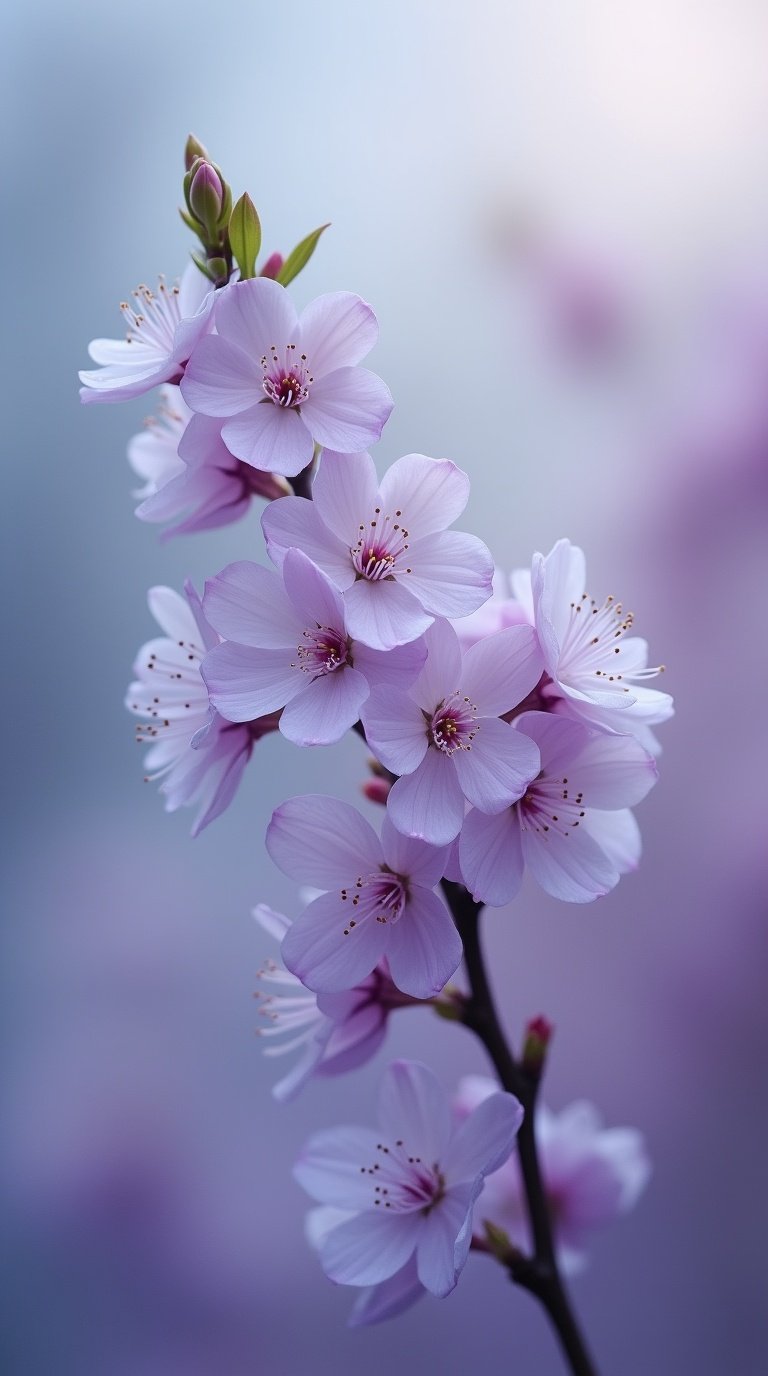
For accents, pale coral, soft sage, and muted lilac add depth without disrupting the mood. The guiding principle: if a color demands attention, it probably doesn't belong here.
A quick note on color psychology — muted, cool-toned pastels evoke calm and slight melancholy, both qualities long associated with dreams. Pairing a slightly dissonant tone like dusty periwinkle next to butter yellow creates the subtle visual wrongness that defines this aesthetic.
Useful tools for building your palette:
Adobe Color — search mood-based palettes or build custom ones with fine control over hue and saturation.
Coolors.co — fast, intuitive generator for finding unexpected but cohesive combinations.
Pinterest — search 'soft surreal spring palette' and use the results as reference images for your mood board.
One mistake to avoid: going too light across the entire palette. Include at least one slightly deeper tone — a richer lavender or deeper blush — to give the eye somewhere to rest.
Soft Surreal Spring Fashion and Outfits
Fashion is the most accessible entry point for this aesthetic. The goal isn't a costume — it's a way of getting dressed that carries the same qualities as the broader aesthetic: softness, flow, and a hint of the unexpected. Key wardrobe pieces to build around:
Flowy chiffon dresses in palette tones — the more movement, the better. Sheer fabric catching light is inherently dreamlike.
Oversized pastel blazers — structured in silhouette, soft in color. The contrast is very much in the spirit of surrealism.
Sheer layered tops — translucent layers create visual depth and a lightness that reads as ethereal.
Sculptural or unusual accessories — asymmetrical earrings, fluid-form rings, bags in unexpected shapes. These details carry real weight.
Translucent or iridescent footwear — shoes with visual permeability or color-shift quality add a surreal touch without being costume-like.
For beauty, lean into dewy skin, a blurred lip in dusty rose or pale lavender, and subtly unexpected eye makeup — a floating graphic line rather than a traditional wing. Pearl pins, mesh scarves, and satin bows all complement the aesthetic naturally.
You don't need to spend much to pull this off. The best sourcing options are:
Thrift stores — formal wear sections regularly yield chiffon and silk pieces in exactly the right tones.
Depop and ThredUp — search 'pastel flowy,' 'sheer layered,' or 'chiffon midi' for a solid range of options.
ASOS and similar retailers — affordable pieces are available if you filter thoughtfully by color and silhouette.
Worth remembering: this aesthetic isn't about polished perfection. A slightly wrinkled chiffon or an asymmetrically worn blazer actually reinforces the dreamlike atmosphere. Flow and feeling matter more than flawless execution.
Soft Surreal Spring Room Decor and Interior Design
Applying this aesthetic to an interior takes more commitment than a wardrobe update, but a well-executed soft surreal space feels genuinely magical — calm, beautiful, and subtly otherworldly. It's less about specific furniture rules and more about cultivating the right atmosphere through considered choices. A few key decor elements to start with:

Warped or vintage mirrors — asymmetrical, beveled, or slightly distorted mirrors create an immediate surreal focal point. Thrift stores and estate sales are excellent sources.
Cloud mobiles or sculptural hanging installations — something suspended above a bed or workspace introduces dreamlike scale and draws the eye upward unexpectedly.
Oversized dried or faux florals — large pampas arrangements or oversized paper flowers play with scale in a way that's central to the surrealist visual vocabulary.
Irregular or sculptural candle holders — pieces with fluid, melting, or asymmetrical forms. Etsy has a wide range at various price points.
Dreamscape art prints — soft abstract or surrealist-inspired artwork anchors the walls and ties the palette together. Society6 and Etsy offer prints starting around $15–25.
Lighting is especially important here — harsh overhead light will kill the atmosphere immediately. More effective approaches:
Fairy lights in warm or soft white tones, positioned behind sheer curtains or draped along shelving.
Diffused globe lamps — IKEA's FADO lamp (around $20) produces exactly the right quality of soft, ambient light.
Prism or crystal suncatchers in a window — these cast scattered rainbow light at certain times of day, creating a genuinely surreal effect at minimal cost.
For plants, lean toward botanicals with a fantastical quality: trailing pothos, string-of-pearls, or dried lunaria — the translucent silver dollar plant — which has an almost otherworldly appearance that suits this aesthetic perfectly.
The best soft surreal interiors develop gradually. Start with one or two focal pieces and build from there — intentional curation always produces better results than a single shopping trip.
Soft Surreal Spring Aesthetic in Art and Photography
The soft surreal aesthetic has deep roots in visual art and continues to thrive there. Whether you're a photographer, digital artist, or simply a lover of beautiful imagery, understanding how to create this look visually will sharpen every other application of it. In photography, the following techniques are worth experimenting with:

Shooting through sheer fabric — holding organza or mesh slightly in front of the lens creates a natural diffusion and edge softness that no filter fully replicates.
Double exposure — either in-camera or through layer blending in post. Overlaying a portrait with a floral or sky image is a classic soft surreal technique.
Atmospheric conditions — early morning fog, overcast light, or golden hour all create natural surreal qualities. A basic fog machine (around $30) allows for controlled sessions.
Soft focus effects — shooting slightly into a light source, or using a UV filter with a small amount of petroleum jelly around the edges, creates a halation effect that reads as genuinely dreamlike.
For editing in Lightroom, the most effective adjustments are:
Compress the tonal range by pulling highlights down and lifting shadows — this removes contrast and creates the characteristic soft, matte, dreamlike quality.
Adjust individual color hues — shifting greens toward yellow, blues toward purple, and reds toward pink moves the image into palette-appropriate territory.
Add a subtle atmospheric haze by lifting the black point and applying a gentle gradient to the upper frame.
Use the color mixer to selectively desaturate and lighten individual channels — particularly effective on greens, yellows, and oranges.
AI tools like Midjourney and Adobe Firefly can also generate compelling soft surreal imagery when prompted well. A useful formula: describe your subject, then add 'soft surreal,' 'pastel dreamscape,' 'ethereal spring light,' and reference a specific artist — Leonora Carrington or Kay Sage tend to produce more distinctive results than the more commonly cited Dalí.
For historical reference, the work of Remedios Varo and Dorothea Tanning is essential — both were major 20th-century surrealists whose softness and warmth maps directly onto this contemporary aesthetic. Their paintings are widely available through museum collections online and make excellent mood board material.
Soft Surreal Spring Aesthetic for Your Digital and Social Media Presence
The soft surreal spring aesthetic translates remarkably well to social media — it's visually distinctive and immediately recognizable when applied consistently, making it effective for building a cohesive feed or content brand. On Instagram and Pinterest, a few principles make the biggest difference:
Commit to the palette — maintaining the same 4–5 color family across varied content creates visual cohesion that reads as intentional.
Use a consistent editing approach — a shared Lightroom preset does more for aesthetic coherence than any other single decision.
Vary your content types — outfit photography, still life, architecture, and art references can all coexist. The color story and editing treatment hold them together.
On TikTok, slow atmospheric video edits — light through sheer curtains, flowers in soft focus, gentle dreamlike transitions — perform well when paired with ambient or lo-fi audio. For a more complete digital experience, the aesthetic can extend into device customization:
Custom app icons in palette colors — iOS Shortcuts makes this fairly straightforward, and the visual impact on a home screen is significant.
Soft surreal wallpapers — search 'pastel dreamscape wallpaper' or 'ethereal spring background' on Unsplash or Pinterest.
Typography choices — thin-stroked serif fonts feel far more aligned with this aesthetic than bold sans-serifs, especially for any graphics or digital content you create.
For creators and small businesses, this visual language offers a genuine point of differentiation from the high-contrast minimalism that dominated brand aesthetics in the early 2020s. There's a growing appetite for something more layered and atmospheric — and being ahead of that curve is a meaningful advantage.
How to Build Your Soft Surreal Spring Mood Board
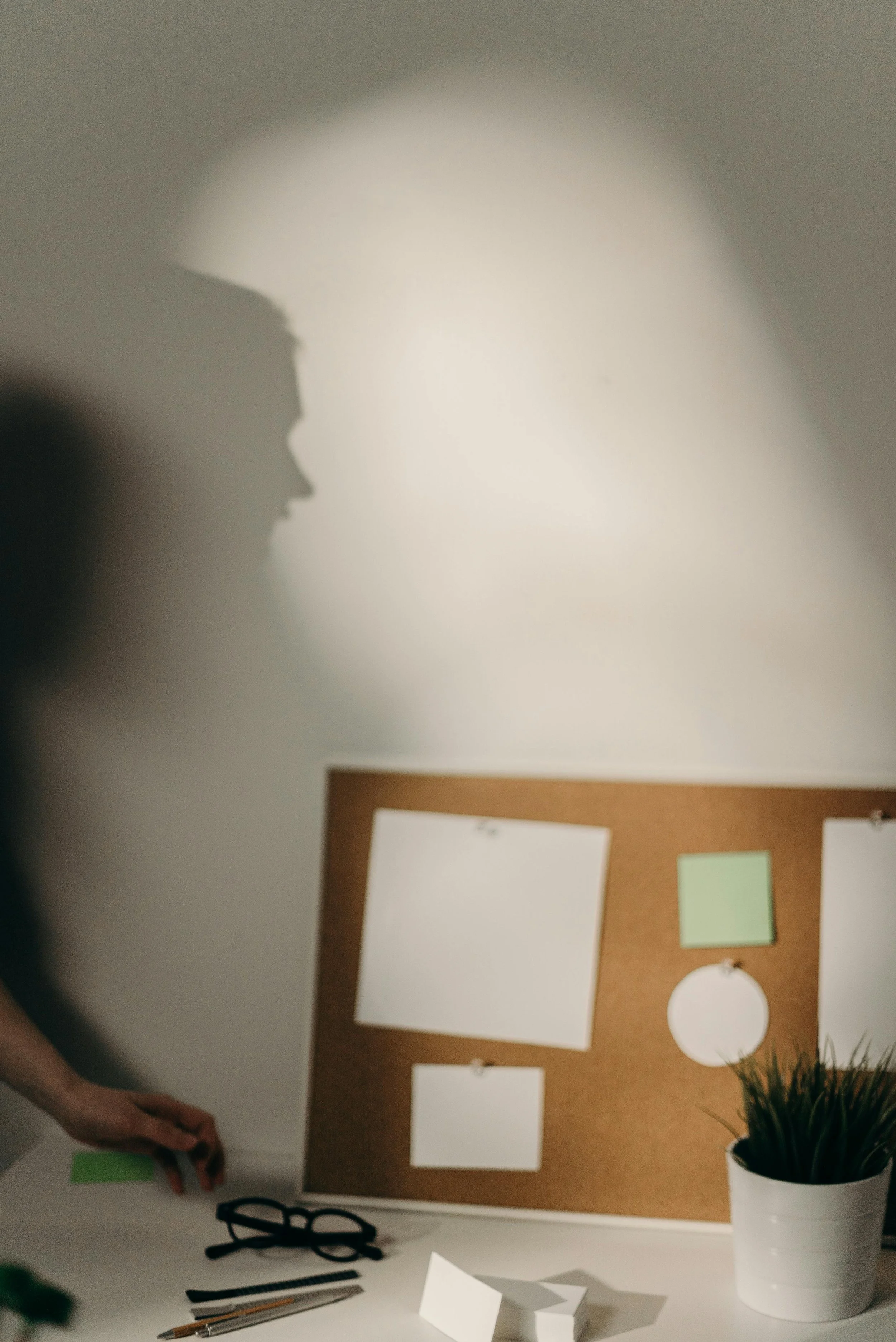
A mood board is one of the most underrated tools in any creative process, and for an aesthetic as nuanced as soft surreal spring, it's essentially indispensable. Before making wardrobe, decor, or content decisions, building a reference board first saves time and keeps your choices cohesive. Here's a process that works well:
Start with color. Collect 5–7 images that capture your specific palette. Focus entirely on getting the color story right before adding anything else.
Add texture references. Sheer fabric, soft plaster, aged mirrors, dried botanicals — these set the tactile tone and define the physical quality of the aesthetic.
Include 3–5 outfit or styling references. Photos of real people wearing the aesthetic are more useful than product shots — they show how pieces move and interact.
Add interior and decor images. A few well-chosen room vignettes help ground the more abstract elements in physical space.
Include 2–3 fine art or illustration references. Work by Remedios Varo, Kay Sage, or contemporary digital artists in this space all provide strong aesthetic grounding.
Add 5–10 descriptive words or phrases capturing the emotional quality you're after — 'quiet strangeness,' 'spring turned lucid,' 'tender otherworld,' 'light through fog.'
Milanote is one of the most effective digital tools for this — free at the basic level, fully visual, and more flexible than Pinterest's grid. For those who prefer working physically, a printed collage on foam board offers something digital tools don't: the tactile process of selecting and arranging images by hand, which often clarifies aesthetic instincts in a way screens can't.
Once built, your mood board becomes a reference point for every decision connected to this aesthetic — a creative compass that keeps your choices consistent and intentional over time.
Wrapping It Up
The soft surreal spring aesthetic reflects a genuine shift in where visual culture is heading in 2026 — away from sharp minimalism and toward something more layered, atmospheric, and quietly mysterious. It's both visually distinctive and practically achievable, whether you're applying it to your wardrobe, your home, your photography, or your digital presence.
Start wherever resonates most. Build a mood board, try one new decor piece, experiment with your editing approach. The best versions of this aesthetic develop gradually through intentional choices over time — not all at once. Follow what genuinely draws you in, and let it grow from there.
Frequently Asked Questions
What exactly is the soft surreal spring aesthetic?
It blends gentle pastel energy with surrealist visual elements — dreamlike imagery, fluid forms, and a quietly otherworldly atmosphere. Think early 20th-century surrealism translated into something wearable and livable today.
How is soft surreal different from cottagecore or fairycore?
Cottagecore is rustic and nostalgic. Fairycore draws from folklore and enchanted forests. Soft surreal pulls from fine art surrealism — cooler, stranger, and more psychologically uncanny, despite sharing a soft palette.
What colors define the soft surreal spring aesthetic?
Blush rose, lavender mist, mint fog, butter yellow, dusty periwinkle, and cloud white — all muted, dusty pastels. Avoid anything vivid or high-contrast; the softness is what creates the dreamlike quality.
Can I achieve the soft surreal spring aesthetic on a budget?
Yes. Thrift stores yield chiffon pieces in the right tones, Etsy has dreamscape prints from $15–25, and IKEA's FADO globe lamp (~$20) fits perfectly. Most photography techniques require no specialized equipment.
What social media platforms are best for this aesthetic?
Pinterest for research and mood boarding, Instagram for curated feeds, TikTok for atmospheric video. Across all platforms, a consistent color story and editing style is the most important factor.
Are there specific artists associated with this aesthetic?
Dalí and Magritte are key references, but Remedios Varo and Dorothea Tanning map most closely — their work carries a warmth and lightness that aligns naturally. Follow #dreamcore, #etherealart, or #softillustration for contemporary examples.
How do I photograph soft surreal spring content?
Use diffused natural light — overcast days or golden hour work best. Shoot through sheer fabric or try double exposure for layered compositions. In editing, compress tonal range, shift hues toward your palette, and add a gentle atmospheric haze.
