The Best Seasonal Spring Produce Recipes to Try in 2026
Spring is one of the most exciting times to be in the kitchen. After months of heavy winter dishes, spring produce brings a welcome sense of renewal — brighter colors, lighter flavors, and more joyful cooking. Seasonal produce is often cheaper and fresher; some vegetables can lose up to 50% of vitamin C during storage and transport.
In this guide, you'll find everything you need to cook confidently with spring produce — what's in season, simple recipes for each key vegetable, and tips for buying the freshest ingredients available.
This post may have affiliate links, which means I may receive commissions if you choose to purchase through links I provide (at no extra cost to you). As an Amazon Associate, I earn from qualifying purchases. Read more about these links in my disclaimer policy.
Getting Started with Seasonal Spring Produce Recipes
Easy Spring Asparagus Recipes for Every Meal
Asparagus is arguably the defining vegetable of spring, and for good reason. It's versatile across every meal of the day, cooks quickly, and has a delicate, grassy flavor that pairs well with a wide range of ingredients. From simple weeknight sides to elegant brunch centerpieces, asparagus earns its place as a spring kitchen staple.
The most common mistake when cooking asparagus is overcooking it. The goal is a vegetable that retains some bite and stays bright green. For medium-sized stalks, 8 to 10 minutes in a 425°F oven is generally ideal. In a skillet over high heat, 3 to 4 minutes with a little olive oil is usually enough. The moment it starts to look dull or limp, it's gone too far.
Asparagus Recipes to Try
Roasted Asparagus with Lemon and Parmesan: Toss asparagus with olive oil, salt, and pepper. Roast at 425°F for 10 minutes. Finish with freshly squeezed lemon juice and a generous handful of grated parmesan. This is one of those recipes that's far greater than the sum of its parts.
Asparagus and Egg Frittata: Sauté chopped asparagus in an oven-safe skillet, then pour in 6 beaten eggs mixed with a little cream and fresh herbs. Cook on the stovetop for 3 minutes, then transfer to a 375°F oven for 10 minutes until just set. It slices cleanly and keeps well in the fridge — a great weekend brunch option.
Creamy Asparagus Soup: Sauté onion and garlic in butter, add chopped asparagus and vegetable broth, and simmer for 15 minutes. Blend until smooth, then stir in a splash of heavy cream and a squeeze of lemon. The soup is elegant enough for company but simple enough for a weeknight.
Asparagus Pasta with Garlic and Olive Oil: Cook pasta al dente and reserve half a cup of pasta water before draining. Sauté thin asparagus spears with garlic in olive oil for 4 to 5 minutes, then toss with the pasta, pasta water, parmesan, and a pinch of red pepper flakes. Ready in about 20 minutes.
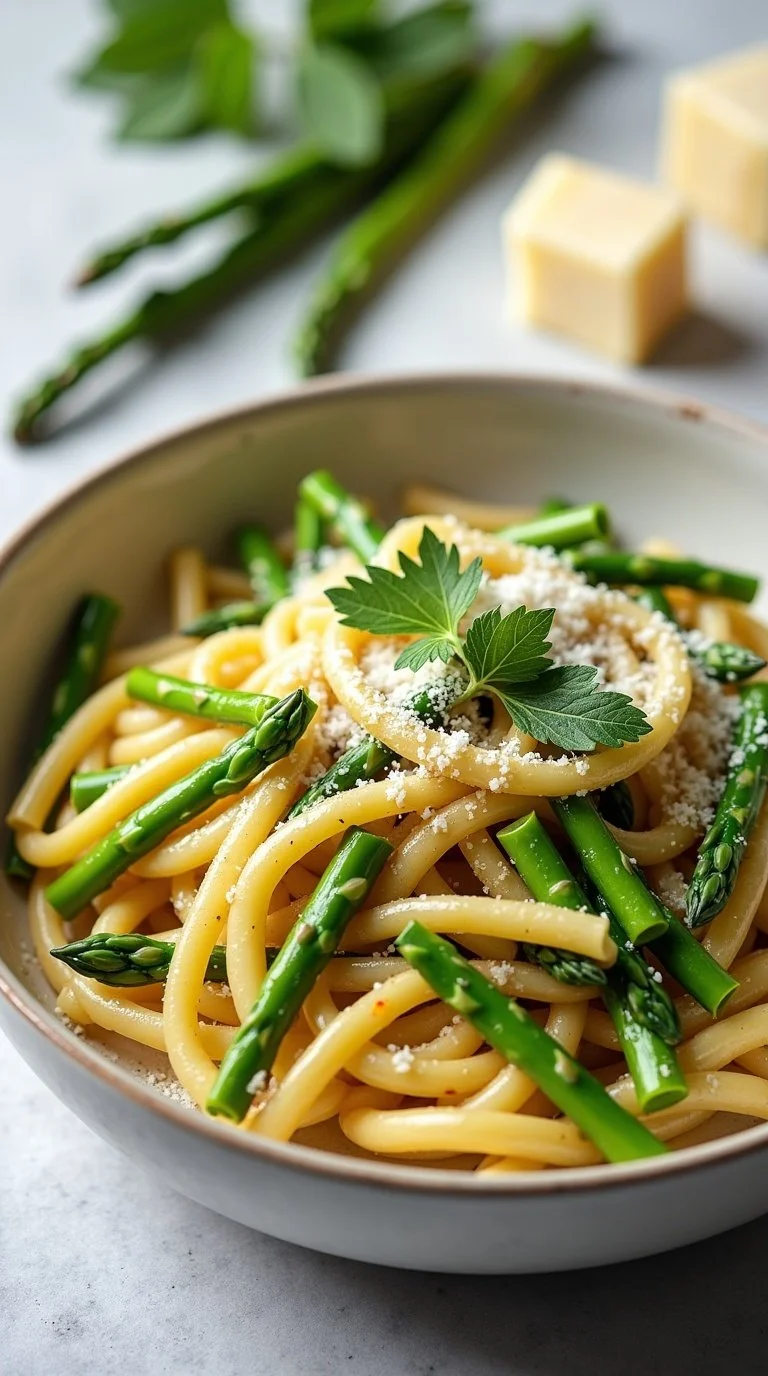
A helpful prep tip: rather than cutting the woody ends off asparagus, simply bend each stalk near the base — it will snap naturally at the point where the tender section begins. This ensures you're not removing more than necessary.
In terms of flavor pairings, asparagus works particularly well with eggs, lemon, parmesan, prosciutto, tarragon, white wine, garlic, and cream. Keeping these combinations in mind gives you a useful framework for improvising new dishes throughout the season.
Fresh Pea Recipes That Celebrate Spring's Sweetness
Fresh spring peas are one of those ingredients that can genuinely change someone's opinion about a vegetable. The canned or frozen peas many of us grew up with are a pale imitation of what a truly fresh pea tastes like — bright, sweet, and almost creamy in texture. If you've only ever had peas in their preserved form, fresh spring peas are worth seeking out.
There are three main varieties you'll encounter in spring, each with its own best use:
English peas (shelling peas): These are removed from their pods before eating. They're sweet and tender, and work beautifully in pastas, soups, and sides.
Snap peas: The entire pod is edible, making them wonderfully convenient. They're crisp and sweet raw, and only need a quick sauté to become a delicious cooked side.
Snow peas: Flat and thin-podded, these are most commonly used in stir-fries. They cook in just a minute or two and have a delicate, mild sweetness.
Spring Pea Recipes Worth Making
Pea and Ricotta Crostini: Lightly mash fresh peas with ricotta, lemon zest, a pinch of salt, and fresh mint. Spread generously on slices of toasted baguette. It comes together in about 10 minutes and is a reliable crowd-pleaser for spring gatherings.
Pea and Mint Soup: Sauté shallots in butter until soft, then add peas and vegetable broth and simmer for 5 minutes. Blend until smooth and stir in fresh mint and a squeeze of lemon. This soup is lovely served warm, but equally good served chilled on a warm spring afternoon.
Spring Pasta with Peas and Pancetta: Render pancetta until crispy and set aside. In the same pan, sauté shallots, then add peas. Toss with cooked pasta, a splash of pasta water, parmesan, and fresh basil. Top with the crispy pancetta. It's a dish that feels indulgent but comes together in under 30 minutes.
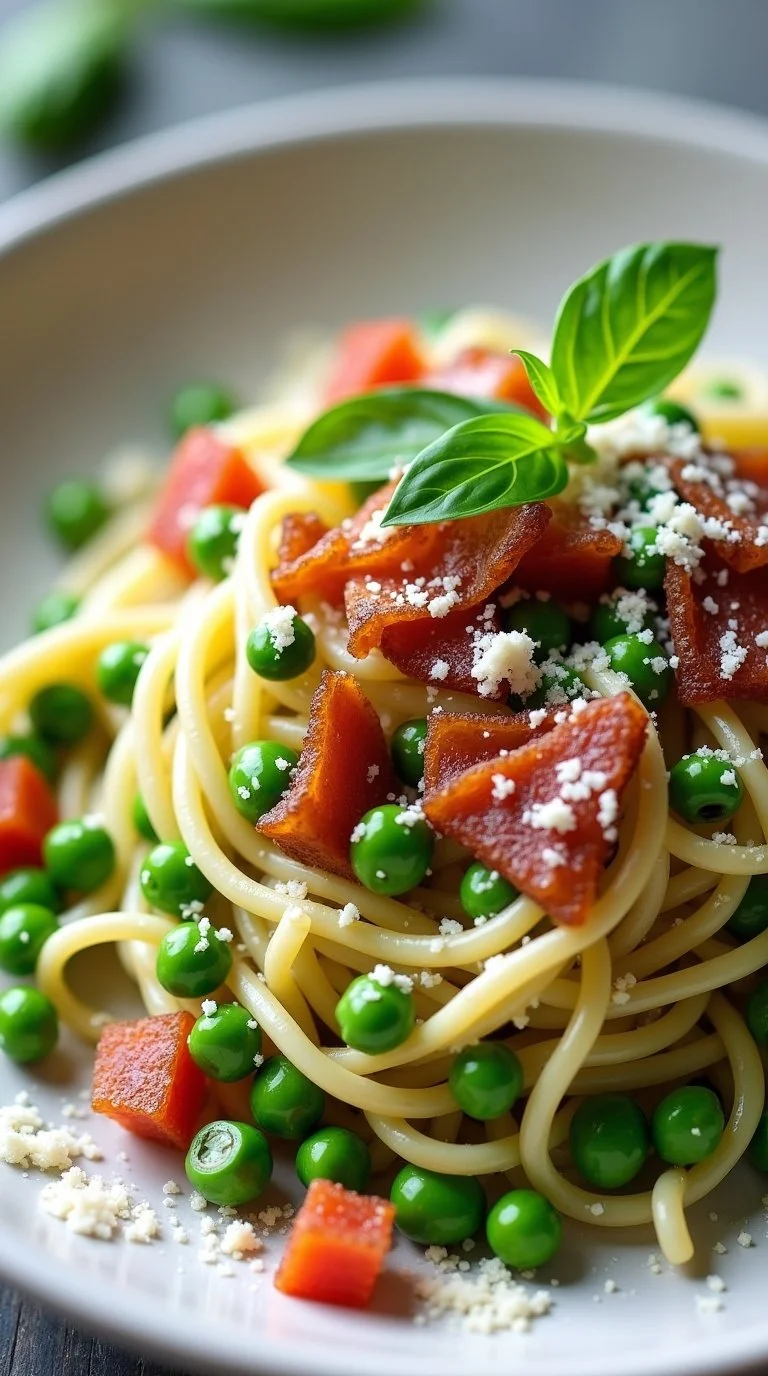
A practical note on substitutions: if fresh peas aren't available, frozen peas are a perfectly reasonable alternative. They're flash-frozen at peak ripeness and actually retain more nutrients than "fresh" peas that have been sitting at the grocery store for several days. For cooked applications — soups, pastas, sautés — frozen peas perform just as well.
For storage, keep fresh peas in their pods in the refrigerator and shell them right before cooking. Once shelled, they begin to lose their sweetness relatively quickly, so plan to use them within a day or two of purchase.
Radish, Arugula, and Spring Salad Recipes Bursting with Flavor
Spring salads offer some of the most vibrant, satisfying eating of the entire year. When the ingredients are this fresh and flavorful, the goal isn't to do too much — it's to let quality produce shine with thoughtful combinations and well-made dressings. Arugula, radishes, spring greens, and fresh herbs are a natural starting point.
Arugula is particularly well suited to spring cooking. Its peppery, slightly bitter flavor stands up to bold dressings and complements rich toppings like cheese or prosciutto. Radishes bring crunch and a pleasant heat that lifts an entire dish. Together, they form the foundation of some genuinely memorable spring salads.
Spring Salad Ideas
Shaved Radish and Butter Lettuce Salad: Use a mandoline or sharp knife to slice radishes very thin. Toss with butter lettuce, fresh herbs such as chives or tarragon, and a simple lemon vinaigrette made with lemon juice, olive oil, dijon mustard, salt, and pepper. Light, crisp, and refreshing.
Arugula Salad with Strawberries and Goat Cheese: Arrange arugula on a platter and top with sliced fresh strawberries, crumbled goat cheese, and candied or toasted pecans. Finish with a drizzle of good balsamic glaze. The combination of peppery, sweet, tangy, and crunchy makes this salad genuinely hard to stop eating.
Spring Grain Bowl: Cook farro or quinoa and allow to cool slightly. Top with roasted asparagus, shaved radish, quick-pickled red onion, and a green goddess dressing — made by blending avocado, fresh herbs, lemon juice, garlic, and olive oil until smooth. This makes an excellent lunch that holds up well in the refrigerator.
Tips for Building a Great Spring Salad
Balance textures deliberately: include something crunchy (radishes, toasted nuts), something creamy (cheese, avocado), and something fresh and leafy.
Add dressing gradually: it's much easier to add more dressing than to undo an overdressed salad. Dress lightly, taste, and adjust.
Season the greens directly: a small pinch of flaky sea salt added to dressed greens makes a surprising difference to the final flavor.
Consider edible flowers or microgreens as a garnish: they add visual appeal and contribute delicate, nuanced flavor to the finished dish.
For meal prep purposes, store salad components separately and assemble right before eating. Dressed greens deteriorate quickly — even an hour can make a significant difference in texture and appearance.
Seasonal Spring Recipes Featuring Artichokes and Fava Beans
Artichokes and fava beans are two of spring's most rewarding ingredients — and also two of its most misunderstood. Both require a bit of preparation that can feel unfamiliar at first, but the process is straightforward once you've done it a time or two. The payoff in flavor and texture is genuinely worth the extra effort.
How to Prepare Artichokes
Trim about one inch from the top of the artichoke with a sharp knife. Pull away the tough outer leaves, working around the base. Trim the stem to about one inch. Rub all cut surfaces immediately with a halved lemon — artichokes oxidize and brown very quickly once cut. For steaming, place in a pot with one inch of water, cover tightly, and steam for 25 to 35 minutes depending on size. The artichoke is ready when you can pull out a leaf with light resistance and the base feels tender when pierced with a knife.
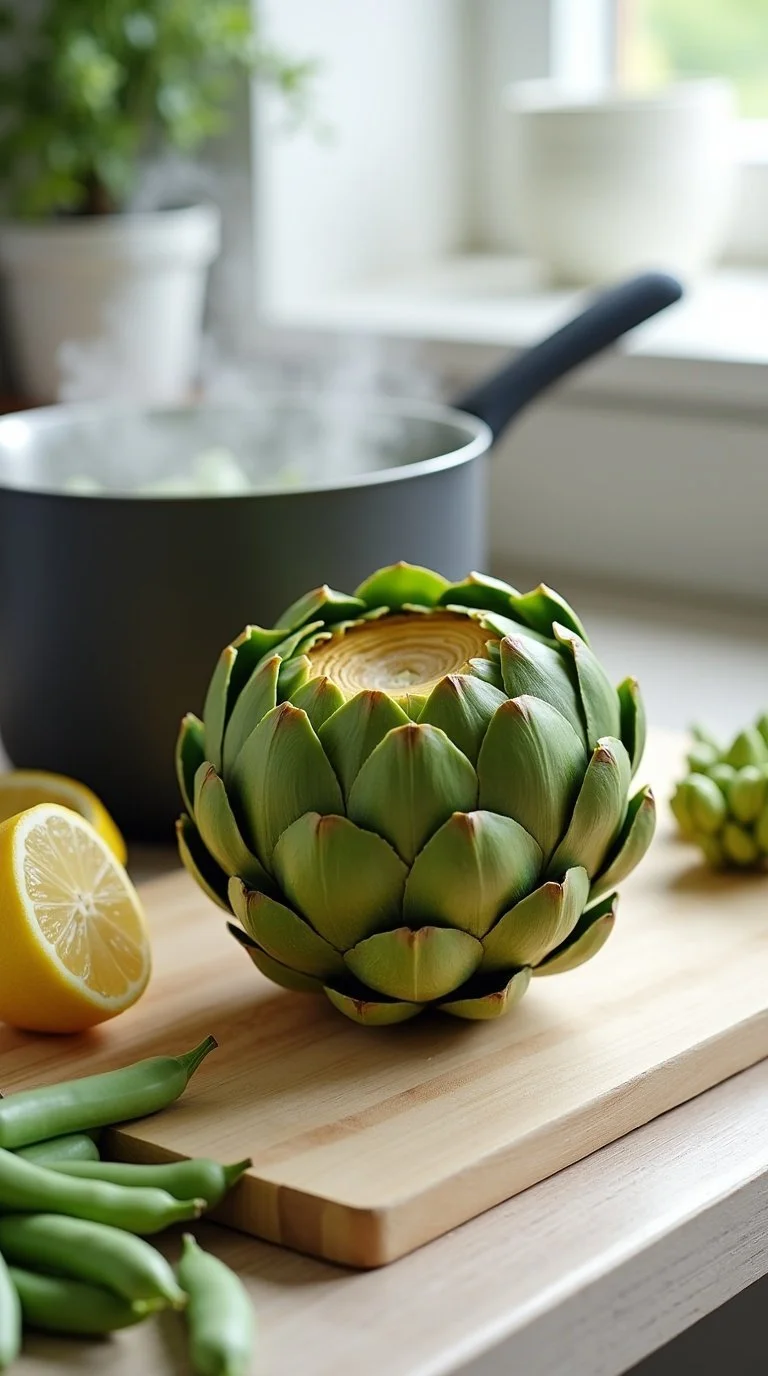
How to Prepare Fava Beans
Start by opening the fuzzy pods and removing the beans inside — the pods themselves are not edible. Next, blanch the beans in boiling salted water for about two minutes, then transfer immediately to an ice bath. Each bean is enclosed in a pale green skin: pinch one end and the bright, vibrant green bean inside will slip right out. It takes a little time, but the texture and color of properly prepared fava beans are noticeably superior to any shortcut.
Recipes to Try
Braised Artichokes with White Wine and Herbs: Brown trimmed artichokes cut-side down in olive oil, then add white wine, garlic, fresh thyme, and enough water to come halfway up the artichokes. Cover and braise over low heat for 25 to 30 minutes. Finish with fresh parsley and a squeeze of lemon. These pair beautifully with roasted chicken or simple grilled fish.
Fava Bean and Pecorino Bruschetta: Mash blanched and peeled fava beans with good olive oil, fresh lemon juice, and a small amount of crushed garlic. Spread generously on grilled or toasted country bread, and top with shaved pecorino and fresh mint leaves. This is a classic Italian spring preparation — simple, elegant, and entirely dependent on the quality of the ingredients.
Fava Bean Risotto with Spring Herbs: Prepare a standard risotto base and stir in prepared fava beans along with a blend of fresh spring herbs — tarragon, chives, and flat-leaf parsley work particularly well — in the final few minutes of cooking. Finish with parmesan and a small knob of cold butter for richness.
From a nutritional standpoint, both of these vegetables offer real benefits. Fava beans provide approximately 7 grams of plant-based protein per half cup, along with meaningful amounts of folate, iron, and manganese. Artichokes are one of the most fiber-rich vegetables available — a medium artichoke contains roughly 7 grams of dietary fiber — and are also a notable source of vitamin C and potassium.
Spring Strawberry and Rhubarb Recipes for Dessert Lovers
A fully ripe, locally grown strawberry in May or June is one of the genuine highlights of the spring season. The difference between a strawberry grown nearby and harvested at peak ripeness versus one that traveled thousands of miles and ripened in transit is remarkable — in flavor, texture, and sweetness. If you have access to a farmers market or local farm stand, spring strawberries are absolutely worth prioritizing.
Rhubarb is the natural companion to strawberries in spring baking. Its sharp tartness provides balance that keeps desserts from becoming overly sweet. A reliable ratio for most strawberry-rhubarb preparations is approximately two parts strawberry to one part rhubarb — enough acidity to add complexity without overwhelming the fruit's sweetness.
Spring Strawberry and Rhubarb Recipes
Classic Strawberry Rhubarb Pie: Combine 3 cups of sliced strawberries and 1½ cups of sliced rhubarb with ¾ cup of sugar, 3 tablespoons of cornstarch, and a pinch of salt. Pour the filling into a prepared butter crust, add a lattice or full top crust, and bake at 400°F for 50 to 55 minutes until the filling is visibly bubbling. Allow the pie to rest for at least one hour before slicing — this is important for the filling to set properly.
Strawberry Galette: Roll pie dough into a rough circle, mound sliced strawberries in the center leaving a two-inch border, fold the edges up and over the fruit, and brush with egg wash. Bake at 425°F for about 30 minutes. The result is beautifully rustic and far more forgiving than a traditional pie — a good choice for beginner bakers.
Rhubarb Compote: Simmer chopped rhubarb with sugar — approximately 2 tablespoons per cup of rhubarb — and a small splash of water over medium heat for 10 to 15 minutes, stirring occasionally, until the rhubarb breaks down into a thick, jammy consistency. Use as a topping for yogurt, oatmeal, pancakes, ice cream, or cheese. It keeps refrigerated for up to one week.
No-Bake Strawberry Cheesecake Parfaits: Beat softened cream cheese with powdered sugar and a little vanilla extract until smooth. Layer in individual glasses with crushed graham crackers and sliced fresh strawberries. Refrigerate for at least one hour before serving. These are quick to assemble, require no baking, and present beautifully.
One storage note worth remembering: strawberries should not be washed until just before use. Moisture accelerates mold development significantly. Store them dry, in a single layer if possible, in the refrigerator, and plan to use them within two to three days for the best results.
Farm-to-Table Spring Dinner Recipes for Entertaining
Spring is an ideal season for hosting. The produce is so naturally vibrant and flavorful that elaborate technique is rarely necessary — the ingredients do much of the work on their own. A thoughtfully composed spring dinner can feel both impressive and effortless, which is exactly what you want when cooking for guests.
Here is a complete spring dinner party menu that works well for four to six guests and can be mostly prepared in advance:
A Spring Dinner Party Menu
Starter: Pea and ricotta crostini, or a shaved radish and arugula salad with lemon vinaigrette — both can be assembled in under 15 minutes.
Main Course: Sheet pan salmon with asparagus and lemon-dill sauce. Arrange salmon fillets and asparagus on a single sheet pan, season generously, and roast at 400°F for 15 to 18 minutes. The salmon should be just barely opaque at the center when done.
Side Dish: Spring pea and herb risotto. Add snap peas, lemon zest, and fresh herbs — tarragon and chives work particularly well — in the final few minutes so they retain their color and freshness.
Dessert: A strawberry galette served warm with a scoop of vanilla ice cream.
For the lemon-dill sauce, whisk together 3 tablespoons of mayonnaise, 1 tablespoon of dijon mustard, the zest and juice of one lemon, 2 tablespoons of freshly chopped dill, and salt and pepper to taste. It's simple, bright, and pairs well with both the salmon and the asparagus.
If you'd like an impressive, low-effort option for pre-dinner grazing, a seasonal spring crudité and charcuterie board is an excellent choice. Arrange raw radishes, snap peas, and blanched asparagus spears alongside a selection of cheeses, cured meats, crackers, and fresh strawberries. It comes together in about 20 minutes and sets a warm, inviting tone for the meal ahead.
Quick Spring Weeknight Meals Using Seasonal Ingredients
One of the most practical advantages of spring produce is how quickly it cooks. Most spring vegetables require very little time in the pan, which makes them ideal for weeknight dinners when time and energy are limited. With a few staple pantry items and whatever looks freshest at the market, a satisfying spring dinner can come together in 30 minutes or less.
Weeknight Spring Dinner Ideas
Snap Pea and Sesame Stir-Fry: Heat sesame oil in a wok or large skillet over high heat. Add snap peas, sliced scallions, and minced garlic. Toss for 3 to 4 minutes, then add a sauce of soy sauce, a small amount of honey, rice vinegar, and a pinch of red pepper flakes. Serve over steamed rice. Quick, colorful, and satisfying.
Spring Vegetable Quesadillas: Fill flour tortillas with sautéed asparagus, spring onion, and crumbled goat cheese. Cook in a dry skillet over medium heat until golden and crispy on both sides. Serve with sliced avocado or a simple guacamole. A weeknight-friendly dish that's also well-received by younger eaters.
One-Pan Lemon Herb Chicken with Spring Vegetables: Season bone-in, skin-on chicken thighs generously with salt, pepper, and dried herbs. Sear skin-side down in an oven-safe skillet until golden, then add chopped asparagus, spring onion, a cup of chicken broth, and a sliced lemon. Transfer to a 400°F oven for 20 to 25 minutes until cooked through. Everything in one pan, minimal cleanup.
Spring Fried Rice: Use day-old cooked rice for the best texture. Stir-fry in a hot pan with fresh peas, sliced scallions, minced garlic, and a splash of soy sauce. Top with a softly fried egg. The entire dish comes together in about 15 minutes and is a good way to use up leftover rice and whatever vegetables you have on hand.
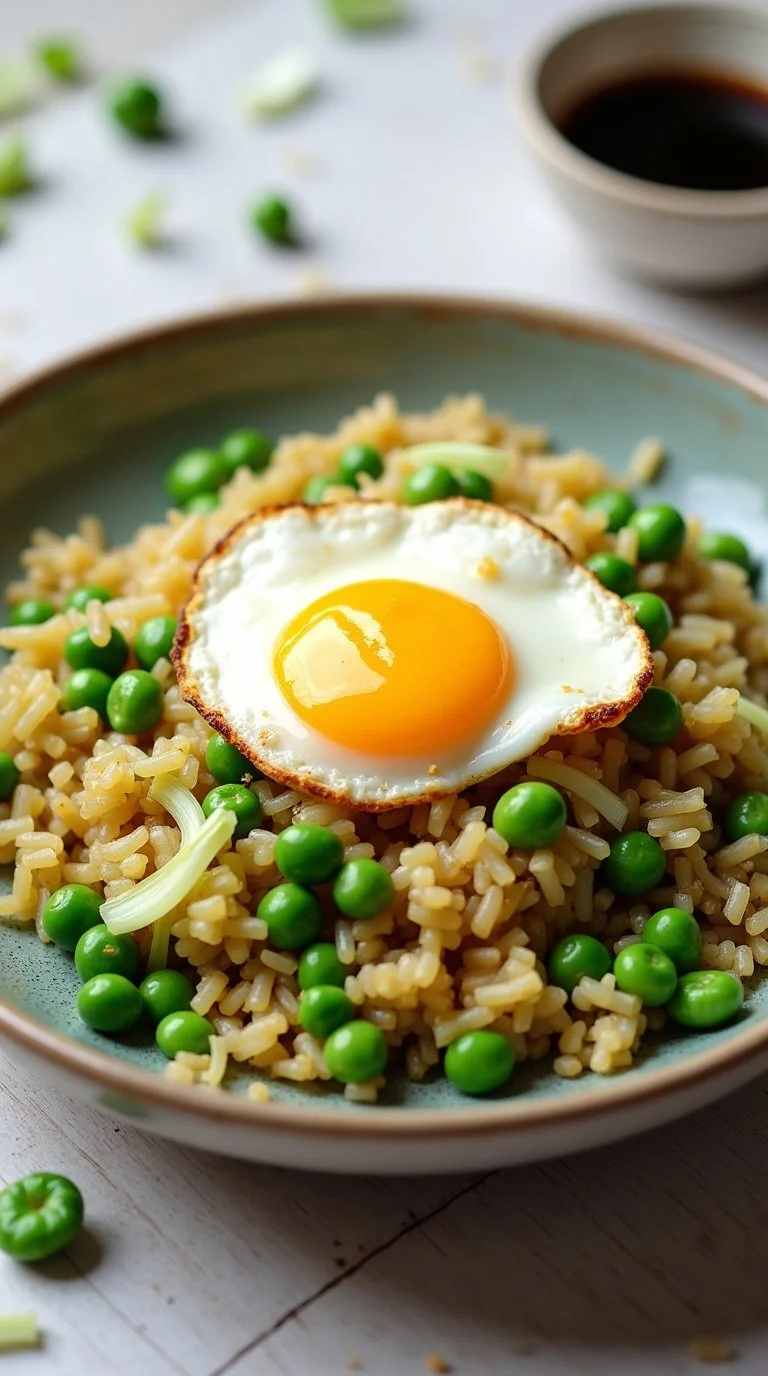
For streamlined weeknight cooking throughout the season, consider setting aside time on the weekend to roast a full sheet pan of spring vegetables — asparagus, radishes, spring onions, and fennel all roast well together at 400°F for 20 to 25 minutes. These can be folded into grain bowls, tossed with pasta, or added to salads throughout the week, significantly reducing weeknight prep time.
One additional tip for minimizing food waste: if fresh herbs are beginning to wilt before you can use them, blend them with olive oil and a pinch of salt, then freeze in an ice cube tray. Those herb cubes can be dropped directly into soups, stir-fries, or sauces as needed — a practical way to preserve spring flavors well beyond their season.
Wrapping It Up
Spring offers some of the year's most vibrant, flavorful ingredients — from tender asparagus and sweet peas to ripe strawberries and earthy fava beans. Most require little intervention; simple preparation lets them shine on their own.
Eating seasonally benefits everyone. It connects you to your food's origins, saves money, and delivers better flavor than out-of-season alternatives. Whether you shop at a farmers market, join a CSA, or simply notice what looks freshest, small shifts make a real difference.
Choose one recipe from this guide and try it this week. Let the season guide you — the results are worth it.
