20 Fresh Spring Meal Prep Ideas to Save Time and Eat Well
Spring is one of those seasons that naturally invites a fresh start, and the kitchen is a great place to feel that shift. After months of heavy, slow-cooked meals, lighter spring produce has a way of making cooking feel approachable again — and as a mom of 5, I look forward to this reset every single year. A 2024 IFIC survey found 58% of Americans rank eating a balanced diet among the top actions for good health, but many say limited time for meal planning and cooking makes healthy eating difficult.
That's where spring meal prep ideas make a real difference, and I don't mean plain containers of reheated chicken and rice. I mean colorful, satisfying meals you make once and eat throughout the week without sacrificing flavor or nutrition. With five kids counting on me to keep things running smoothly, I've spent years figuring out what actually works in a real, busy household — including one memorable incident involving a completely soggy spinach salad by Wednesday.
These 20 spring meal prep ideas are designed to help you eat well, waste less food, and feel a little more in control of your week, whether you're feeding a family or just trying to take better care of yourself.
This post may have affiliate links, which means I may receive commissions if you choose to purchase through links I provide (at no extra cost to you). As an Amazon Associate, I earn from qualifying purchases. Read more about these links in my disclaimer policy.
Spring Breakfast Meal Prep Ideas
Breakfast is the meal most people give up on during a busy week. It's easy to understand why — mornings are rushed, and grabbing something convenient feels like the only realistic option. But prepping breakfast ahead of time takes that decision off your plate entirely, which is a bigger deal than it sounds.
The thing I've learned after years of doing this is that breakfast prep doesn't need to be complicated. The simpler and more grab-ready it is, the more likely you'll actually eat it instead of skipping it by Thursday.
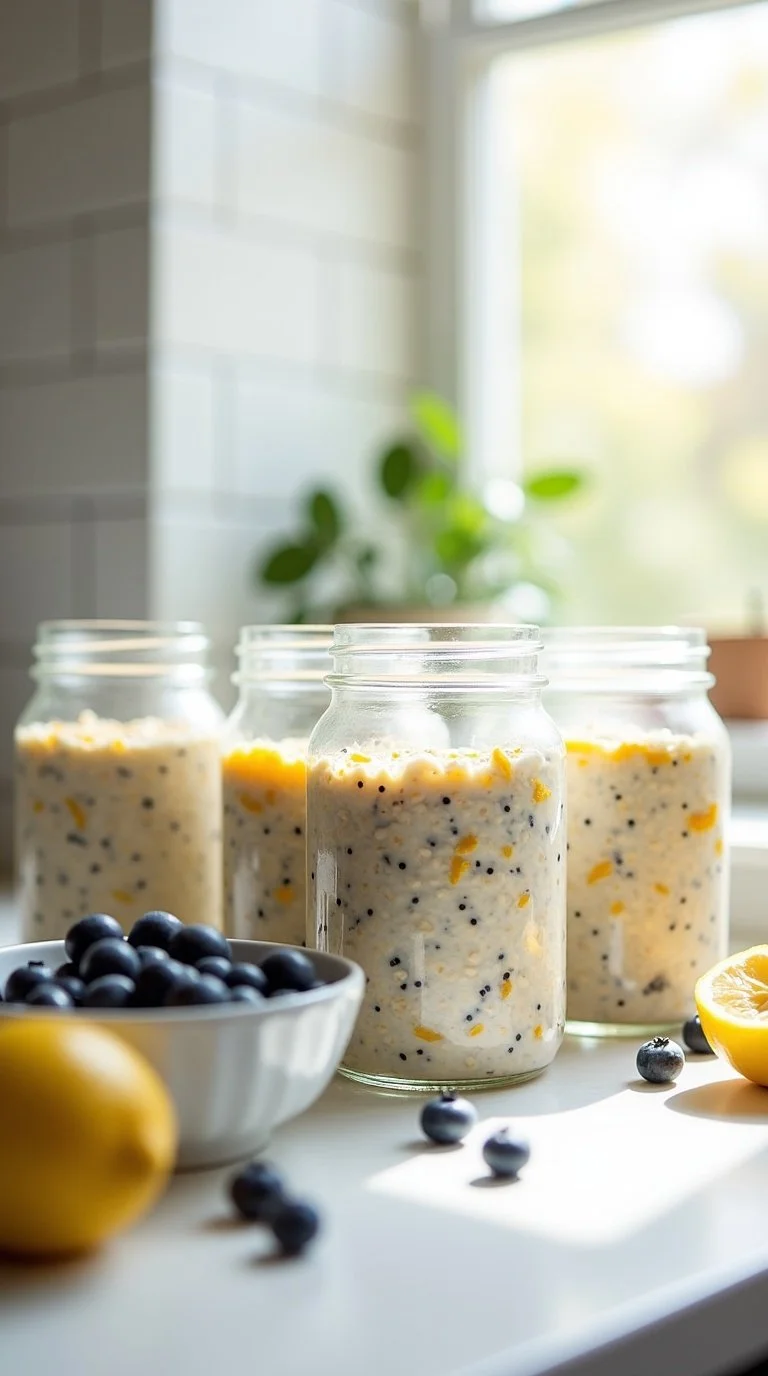
Lemon Blueberry Overnight Oats
This is one of the most practical breakfast preps you can do. Five jars take under 10 minutes on Sunday night, and your mornings are covered for the entire week without any cooking required.
Here's the ratio I use per jar:
½ cup rolled oats (old-fashioned, not instant — texture matters here)
¾ cup unsweetened almond milk or regular milk
1 tablespoon chia seeds
1 teaspoon honey or maple syrup
Zest of half a lemon
A handful of fresh blueberries added in the morning
Stir everything together except the blueberries, seal the jar, and refrigerate overnight. Add the berries in the morning so they don't break down and turn mushy. The lemon zest is worth the small extra effort — it makes the whole thing taste bright and fresh rather than flat.
One thing I got wrong early on was using quick oats. They turn into a dense paste overnight. Rolled oats hold their texture and make the end result genuinely satisfying to eat rather than something you're forcing down.
Spring Veggie Egg Muffins
These are essentially mini crustless quiches, and they're one of the most efficient high-protein breakfast preps you can make. A batch of 12 takes about 25 minutes total and freezes well, which gives you a lot of flexibility throughout the week.
Here's what I usually put in mine:
8 eggs whisked with a small splash of milk
½ cup chopped spinach
¼ cup diced red bell pepper
¼ cup crumbled feta cheese
Salt, pepper, and a pinch of garlic powder
Pour the mixture into a greased muffin tin and bake at 375°F for 18–20 minutes. Let them cool completely before storing — skipping this step causes condensation to build up in the container, which makes the muffins wet and rubbery. Each muffin has roughly 70–80 calories and about 6 grams of protein, which adds up to a solid, filling breakfast.
They keep in the fridge for 4 days or the freezer for up to 3 months. From frozen, about 60–90 seconds in the microwave is all they need.
Strawberry Chia Pudding Parfaits
This one requires zero cooking, which I find genuinely appealing after spending time on other parts of a Sunday prep session. Chia pudding is made the night before, and it tends to be popular with kids because the texture and sweetness make it feel more like a treat than a healthy breakfast.
Base chia pudding per serving:
3 tablespoons chia seeds
1 cup coconut milk or oat milk
1 teaspoon vanilla extract
1–2 teaspoons honey
Stir it together, refrigerate for at least 4 hours (overnight works best), and layer with sliced fresh strawberries and granola right before eating. The granola should not go in during prep — it softens completely and loses all its texture by the next day. The chia seeds expand as they absorb the liquid, creating a thick, pudding-like consistency that's high in fiber and omega-3 fatty acids.
Spinach and Feta Breakfast Burritos
These take a bit more effort than the other breakfast preps, but the payoff is worth it. You make a big batch on Sunday, wrap each one individually in foil, and freeze them. On a busy morning, you have a hot, filling breakfast ready in about two minutes.
What goes inside each burrito:
2 scrambled eggs with a handful of spinach cooked in
2 tablespoons crumbled feta
A spoonful of salsa
A whole wheat tortilla
The reheating technique matters here. Unwrap the foil, wrap the burrito loosely in a damp paper towel, and microwave it. The steam keeps the tortilla from drying out while preventing it from going completely soft. These freeze for up to 2 months and hold up quite well in terms of flavor and texture.
If you're expecting and looking for ways to prep your kitchen — and your life — for what's ahead, you might also enjoy these spring prenatal fitness routine tips and this guide to pregnancy nesting tips for spring cleaning.
Honey Yogurt Bowls with Fresh Berries
This is less a recipe and more a smart system for making mornings faster. I prep a large container of plain Greek yogurt on Sunday, then set up a topping station in the fridge with small separate containers of:
Sliced strawberries
Fresh blueberries
Honey in a small squeeze bottle
Granola stored in a sealed bag to keep it dry
Slivered almonds or hemp seeds
Assembly takes about 90 seconds. The yogurt provides roughly 17 grams of protein per cup, which keeps you full well into the morning. The important thing is not pre-assembling the bowls — the berries release liquid over time and make the yogurt watery by day 3. Keeping everything separate and assembling fresh each morning solves that problem entirely.
Storage tips for spring breakfast preps:
Overnight oats and chia pudding last 4–5 days in sealed jars in the fridge
Egg muffins last 4 days refrigerated, 3 months frozen
Breakfast burritos last 2 months frozen
Yogurt toppings should be stored separately and assembled fresh each morning
Spring Lunch Meal Prep Ideas
Lunch is where a lot of meal prep efforts quietly fall apart. You prep something on Sunday, it looks great, and by Wednesday you're opening a container of limp greens and wondering why you bothered. It's a frustrating experience, and it's usually a texture problem rather than a flavor one.
The approach that's worked best for me is thinking about texture and flavor as two separate things to manage. Flavor holds well in the fridge. Texture doesn't. So the goal becomes keeping anything that softens — dressings, watery vegetables, crunchy toppings — stored separately until you're ready to eat.
For more warm-weather eating inspo, check out these healthy spring lunch ideas and seasonal spring produce recipes to make the most of what's in season.
Grilled Chicken and Asparagus Grain Bowls
This is one of the most practical lunch preps I've settled on. You cook the chicken and grains in the same session — one in the oven, one on the stove — and in about 35 minutes you have five full lunches ready to go.
Here's how I build each bowl:
½ cup cooked farro or brown rice (farro is worth trying if you haven't — it holds its texture far better in the fridge than rice does)
4–5 oz grilled or baked chicken breast, sliced
5–6 roasted asparagus spears, cut into pieces
A handful of cherry tomatoes
Lemon tahini dressing in a small separate container
Roast the asparagus at 400°F for 12 minutes with olive oil, salt, and pepper. Season the chicken with lemon, garlic, and Italian herbs and cook it separately. Everything stores in divided meal prep containers. Each bowl comes out to around 430–480 calories with over 40 grams of protein, which is filling enough to get through the afternoon without snacking constantly.
Farro was something I started using after years of defaulting to brown rice, and the difference in meal prep specifically is noticeable. It stays pleasantly chewy and separate after 4–5 days in the fridge, while rice can turn hard or mushy depending on how it's stored.
Spring Pea and Mint Pasta Salad
This salad is light and refreshing, but what makes it particularly good for meal prep is that it actually improves after a day or two as the flavors meld together. It's one of the few recipes where Thursday's serving is better than Monday's.
What you'll need for 4 servings:
8 oz rotini or fusilli pasta, cooked al dente and cooled
1 cup fresh or thawed frozen peas
¼ cup fresh mint, roughly chopped
¼ cup crumbled feta cheese
Zest and juice of 1 lemon
3 tablespoons olive oil
Salt, pepper, and a pinch of red pepper flakes
Toss everything together while the pasta is still slightly warm so it absorbs the dressing. Refrigerate and it holds for 4 days without going soggy — there are no leafy greens to wilt, which makes this a particularly reliable prep. It also works well as a side alongside proteins, so you can use it in more than one way throughout the week.
Shrimp and Mango Lettuce Wraps
This one requires a bit more Sunday energy than the others, because shrimp is best when relatively fresh and doesn't keep as long as chicken. That said, the result is genuinely exciting to open for lunch — bright flavors, good texture, and nothing heavy.
Prep the components separately and store them that way:
Shrimp: Season with chili powder, garlic, and lime juice. Sauté 2–3 minutes per side, then refrigerate.
Mango: Dice fresh mango and store in a sealed container — good for about 3 days.
Slaw: Shredded cabbage with rice vinegar, a touch of sesame oil, and a pinch of sugar.
Lettuce leaves: Butter lettuce works best. Store the leaves whole in a slightly damp paper towel inside a bag.
Assemble at lunch time. This prep is realistic for 2–3 days — shrimp doesn't have the same fridge life as chicken, so don't try to push it to day 4. Each wrap is around 150–180 calories, so most people eat two or three with a small side.
Roasted Radish and Quinoa Power Salad
Roasted radishes are one of those discoveries that takes people by surprise. Raw radishes are sharp and peppery, but roasting them at 425°F for about 20 minutes turns them sweet and slightly caramelized — almost a different vegetable entirely.
Build this salad in layers in your prep containers:
Base: ½ cup cooked quinoa (one of the few plant foods that contains all 9 essential amino acids, which makes it a genuinely useful meal prep staple)
Roasted radishes, halved and tossed in olive oil before roasting
A handful of arugula or spinach
Shaved parmesan or crumbled goat cheese
Lemon dressing stored separately
Each serving comes out to around 350 calories with about 14 grams of protein. Quinoa also happens to be one of the better meal prep grains from a practical standpoint — it stays fluffy and separate in the fridge rather than clumping together. The lemon dressing (lemon juice, olive oil, a little dijon mustard, salt, and honey) is bright enough to make every component interesting.
Strawberry Spinach Salad with Poppy Seed Dressing
This salad looks more involved than it is. The layered jar method is what makes it work for meal prep — done correctly, the greens stay completely dry and crisp even on day 4.
Here's the layering order for a mason jar:
Dressing at the very bottom (homemade or store-bought poppy seed dressing)
Sturdy ingredients next: sliced strawberries, slivered almonds, red onion
A buffer layer of quinoa or chickpeas
Spinach packed on top
When you're ready to eat, shake the jar or dump it into a bowl. The greens stay dry until that moment. This method solved a problem I had for years — dressing going directly on salad greens and creating soggy containers by Tuesday. The layering approach is a simple fix that makes a significant difference.
Packing and storing spring lunches:
Use compartmentalized containers to keep wet and dry ingredients separate
Store dressings in small 2-oz condiment containers — silicone ones are reusable and don't leak
Add crunchy toppings (croutons, nuts, seeds) right before eating, not during prep
Label containers with the date you made them — it sounds unnecessary until you stop doing it
Spring Dinner Meal Prep Ideas
Dinner prep is where you'll likely feel the biggest weekly impact. Getting home at the end of a long day to find a fridge full of ready-to-reheat meals is a different experience than staring into an empty fridge trying to figure out what to cook.
Spring dinners also tend to reheat particularly well. Lighter proteins like fish and chicken bounce back better from reheating than heavier dishes, and spring vegetables generally don't break down the way root vegetables can. If you're also thinking about refreshing your dining space to match the season, these spring table decor ideas and spring outdoor entertaining tips are worth a look.
Sheet Pan Lemon Herb Salmon with Spring Vegetables
Sheet pan salmon is one of those meals that tastes like more effort went into it than actually did. Lemon, fresh herbs, and good fish is a combination that works reliably, and the vegetables roast alongside everything on the same pan.
Here's how to make a batch for 4 dinners:
4 salmon fillets, about 5–6 oz each
1 bunch asparagus, trimmed
1 cup cherry tomatoes
2 lemons, sliced
3 tablespoons olive oil
Fresh dill, parsley, and garlic, seasoned generously
Line a sheet pan, arrange the salmon and vegetables, top with lemon slices and herbs, and roast at 400°F for 20–25 minutes. Each serving is around 380 calories and 34 grams of protein, with omega-3 fatty acids that support heart and brain health.
For reheating, avoid full microwave power. Use 60% power for about 90 seconds, let it rest for 30 seconds, then check. This prevents the salmon from overcooking and turning rubbery. Alternatively, cold salmon over a salad is actually quite good and requires no reheating at all.
Turkey and Zucchini Stuffed Bell Peppers
This is a reliable, batch-friendly dinner that holds up well throughout the week. The filling also freezes well, which means making a double batch gives you a ready meal for weeks when prepping isn't realistic.
Filling for 8 peppers:
1 lb ground turkey (93% lean)
2 medium zucchinis, diced small
1 can diced tomatoes (14.5 oz)
½ cup cooked brown rice or cauliflower rice
1 teaspoon each of Italian seasoning, garlic powder, and onion powder
Salt and pepper
Cook the turkey, add zucchini and spices, stir in tomatoes and rice. Stuff into halved bell peppers and bake at 375°F for 25–30 minutes until the peppers are tender. These reheat well in the microwave in about 2–3 minutes and run around 280–320 calories per stuffed pepper half.

Spring Ramen with Soft-Boiled Eggs and Snap Peas
This one takes a bit more setup than other options on this list, but it's worth the planning. Rather than storing noodles in broth (which makes them gummy), you batch-cook the broth and prep the toppings separately, then assemble each night.
Batch-cook the broth:
4 cups chicken or vegetable broth
2 tablespoons soy sauce or tamari
1 tablespoon sesame oil
1 tablespoon miso paste
1 teaspoon each fresh ginger and garlic
Simmer together, cool, and refrigerate. Then prep the toppings separately:
Soft-boiled eggs: Boil exactly 6.5 minutes, ice bath, peel. Store in a marinade of soy sauce, mirin, and water for up to 4 days — the flavor develops beautifully over time.
Snap peas: Blanch 1 minute, shock in cold water, refrigerate.
Green onions and sesame seeds: Chop and store in small containers.
Cook the noodles fresh each night — they only take 3 minutes and store poorly in broth. Heating the broth on the stovetop, cooking noodles, and assembling toppings takes less than 10 minutes on a weeknight, but it feels like a genuinely fresh meal every time.
Chickpea and Artichoke Mediterranean Bowls
This is a plant-based dinner that requires minimal cooking, which is part of its appeal. The chickpeas get roasted for texture, but everything else is mostly assembly — and the flavors are full and satisfying without relying on meat.
Build each bowl with:
1 can chickpeas, rinsed, then roasted at 400°F for 20 minutes with cumin and paprika until crispy
½ cup marinated artichoke hearts (from a jar works perfectly well here)
½ cup cooked couscous or farro
Cucumber slices, cherry tomatoes, kalamata olives
A generous spoonful of tzatziki or hummus
Olive oil and fresh lemon
This comes out to around 420 calories per bowl with about 18 grams of plant-based protein. Roasting the chickpeas is worth the extra step — they develop a crispy exterior that makes the whole bowl more interesting texturally than soft chickpeas straight from the can. The marinated artichokes hold well for 4–5 days and add a tangy depth that makes the bowl taste more complex than the prep time would suggest.
Teriyaki Chicken with Bok Choy and Brown Rice
This is one of the most dependable meal prep dinners I come back to regularly. The flavors hold well overnight, it freezes cleanly, and it reheats without any noticeable loss of quality.
For 5 portions:
2 lbs boneless, skinless chicken thighs (thighs stay juicier than breasts after reheating)
3 heads baby bok choy, halved
3 cups cooked brown rice
Teriyaki sauce: ¼ cup soy sauce, 2 tablespoons honey, 1 tablespoon rice vinegar, 1 teaspoon sesame oil, 1 teaspoon cornstarch — whisk and simmer until thickened
Cook the chicken in a pan with the sauce until glazed. Sauté or roast the bok choy separately with garlic and a little soy sauce for about 5 minutes. Portion over rice. Each serving is approximately 460 calories and 38 grams of protein.
Best reheating methods for spring dinners:
Salmon and fish: Microwave at 60% power, or eat cold over salad
Stuffed peppers and grain bowls: Microwave with a damp paper towel over the top, 2–3 minutes
Ramen broth: Reheat on the stovetop for best results — about 5 minutes over medium heat
Teriyaki chicken and rice: Add a small splash of water before microwaving to prevent the rice from drying out
Spring Snack and Sides Meal Prep Ideas
Snack prep doesn't get as much attention as it deserves. When you're hungry at 3pm and the most convenient option is a bag of crackers or chips, that's usually what happens — not because of a lack of willpower, but because prepped alternatives simply aren't available. Having snacks already portioned and ready changes that dynamic in a straightforward way.
The same logic applies to sides. When roasted vegetables or a dip are already done, pulling together a weeknight meal becomes significantly faster and lower effort. If you're also working on refreshing your home this season, these spring home refresh ideas might give you some easy wins beyond the kitchen.
Cucumber Hummus Bites
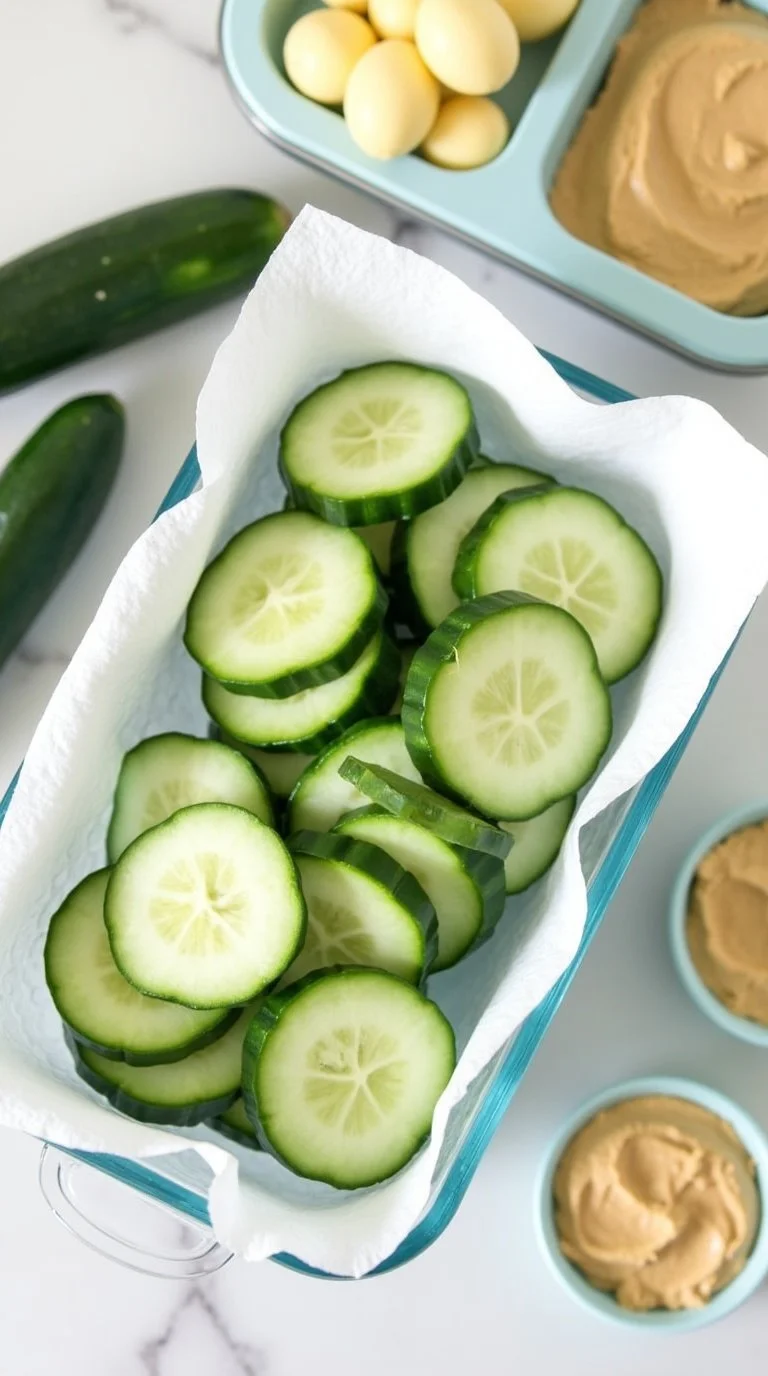
This is one of the simpler preps on this list, but it's consistently one of the most useful. It takes about 10 minutes on Sunday and produces 5 days of satisfying, hydrating snacks.
Here's the prep:
Slice 2 large cucumbers into ½-inch rounds
Store in a container lined with a paper towel to absorb moisture
Portion hummus into 2-tablespoon servings in small silicone or condiment containers
Keep them next to each other in the fridge, assembled only when eating
The paper towel is a small but important detail. Cucumbers release moisture as they sit, and without something to absorb it, the slices become limp and unappetizing by day 3. Changed every couple of days, the paper towel keeps them crisp all week. About 10 slices with 2 tablespoons of hummus is around 130–150 calories with 5 grams of protein — a nutritionally decent snack that doesn't take much thought to reach for.
Herbed White Bean Dip with Crudités
White bean dip tends to be overshadowed by hummus, but it's equally versatile and arguably easier to make from scratch. It's smooth, savory, and pairs well with nearly every spring vegetable you can think of.
Quick white bean dip (makes about 2 cups):
2 cans cannellini beans, drained and rinsed
3 tablespoons olive oil
2 cloves garlic
Juice of 1 lemon
1 teaspoon fresh rosemary or thyme
Salt, pepper, and a small pinch of cayenne
Blend until smooth
This holds for 5 days in the fridge. Pair it with prepped crudités — radishes, snap peas, carrot sticks, endive leaves, bell pepper strips — and you have a snack situation that requires almost no effort in the moment. White beans are a good source of fiber and plant-based protein, and the fresh herbs and lemon bring enough brightness to make it feel like more than just a basic dip.
Lemon Parmesan Roasted Broccolini
Broccolini — the longer, more tender variety compared to regular broccoli — is one of the most practical spring sides to have prepped and waiting in the fridge. It roasts in 15 minutes, reheats without going mushy, and pairs well with most proteins and grain-based meals.
How to prep a large batch:
2 bunches broccolini, trimmed and dried completely
3 tablespoons olive oil
Salt, pepper, and the zest of 1 lemon
Roast at 425°F for 12–15 minutes until the tips are crispy and the stems are tender
Squeeze fresh lemon juice over the top immediately and add a handful of grated parmesan
The drying step is worth noting. If broccolini goes into the oven wet, it steams rather than roasts and you lose the caramelization that makes it genuinely good. Completely dry broccolini roasts more evenly and develops better texture and flavor. This stores well for 4 days in the fridge.
Keeping prepped snacks and sides fresh throughout the week:
Store cut vegetables with a dry paper towel in the container to absorb excess moisture
Keep dips in airtight containers with a thin layer of olive oil over the surface — this prevents a dry skin from forming
Roasted vegetables reheat best in a toaster oven or air fryer at 375°F for 5 minutes rather than the microwave, which tends to make them soft
Label everything with the prep date so you're not guessing what's still good
Spring Meal Prep for Special Diets
Spring is actually one of the easier seasons to accommodate dietary restrictions. The produce is naturally abundant, most spring vegetables work across a wide range of dietary approaches, and there's enough flavor available that nothing feels like a compromise.
Cooking for a household with mixed dietary needs is something a lot of people navigate, and labeling is the detail that makes it manageable. I once made a beautifully prepped grain bowl and completely forgot that farro — which I'd used as the base — isn't gluten-free. It's an easy mistake, and an easy one to prevent with some basic organization.
If you're a new or expecting mom navigating both nutrition and recovery, you might find these posts helpful: spring postpartum recovery foods and spring breastfeeding essentials are great companions to this meal prep guide.
Vegan Spring Green Buddha Bowls
Buddha bowls are a natural fit for meal prep because each component is stored separately and assembled at meal time. Nothing goes soggy, everything stays fresh, and the mix-and-match flexibility means you can eat from the same prep without feeling like you're eating the same meal repeatedly.
Here's what goes into a vegan spring version:
Base: ½ cup cooked quinoa or brown rice per bowl
Protein: Roasted chickpeas, or baked tofu cubed and seasoned with tamari and garlic
Greens: Massaged kale or raw spinach — massaged kale holds up for about 4 days without wilting, which makes it more practical than spinach for later in the week
Vegetables: Roasted sweet potato cubes, shaved raw asparagus, sliced avocado added fresh at serving time
Dressing: Tahini dressing: 3 tablespoons tahini, juice of 1 lemon, 1 minced garlic clove, water to thin, salt to taste
This bowl comes out to around 500 calories with 22 grams of plant-based protein — satisfying on its own, and naturally vegan, gluten-free, and dairy-free without any modifications.
Massaging the kale is a step that's easy to skip and worth doing. Drizzle a small amount of olive oil and a pinch of salt on raw kale, then squeeze and rub it with your hands for about 60 seconds. It breaks down the fibrous texture and makes the kale genuinely pleasant to eat, rather than something you're tolerating for the nutritional value.

Gluten-Free Spring Stir-Fry with Rice Noodles
Stir-fry seems like it wouldn't hold up as a meal prep option, but it works well if you approach it with the right strategy. The key is slightly undercooking everything during prep so that reheating finishes the cooking rather than overcooking it.
For 4 gluten-free servings:
8 oz rice noodles, cooked al dente and tossed with a little sesame oil to prevent sticking
1 lb chicken breast or shrimp, cooked in a gluten-free tamari-based sauce
1 cup snap peas, blanched for 1 minute
1 cup shredded purple cabbage (added raw — holds its crunch for 5 days)
2 carrots, julienned
Sauce: tamari, sesame oil, rice vinegar, fresh ginger and garlic — stir together and store separately
Store the noodles, protein, and vegetables in separate sections of your containers. At meal time, reheat the protein and vegetables in a hot pan with the sauce for 3–4 minutes, add the noodles last, and toss to combine. This approach maintains much better texture than microwaving everything together from cold.
Tips for special diet meal prep in mixed households:
Use different colored containers or lid colors to identify dietary needs without labeling every individual item
Label containers with the recipe name and relevant tags (GF, DF, Vegan) using masking tape and a marker
Build one "universal base" that everyone in the household can eat, then offer separate protein and topping options
Prepare sauces and dressings in small individual jars so people can add their own, which also reduces cross-contamination risk for allergy households
Adapting spring meal prep for keto, paleo, and dairy-free eating:
Keto: Replace grains with cauliflower rice or zucchini noodles and increase healthy fats like avocado and olive oil
Paleo: Most of these recipes translate easily — swap legumes for additional meat or eggs, and use coconut aminos in place of soy sauce
Dairy-free: Feta can be swapped for a dairy-free alternative or omitted entirely, and plant-based milks work well in all the breakfast recipes
Wrapping It Up
With these 20 spring meal prep ideas, you have a practical foundation for eating well throughout the week without spending every evening in the kitchen. From sheet pan salmon dinners to five-minute morning parfaits, the common thread is doing the work once so the rest of the week runs more smoothly.
Pick three or four ideas that genuinely appeal to you, build a straightforward grocery list, and carve out a couple of hours this weekend. The investment in time on Sunday pays off in calmer, better-fed evenings — and that's a trade worth making.
And if the season has you feeling inspired beyond the kitchen, check out spring garden inspiration or these spring crafts for toddlers for ways to bring the whole family into the fresh-start energy spring has to offer.
Frequently Asked Questions
How far in advance can I meal prep spring meals?
Most spring meal prep stays fresh for 3–5 days in the refrigerator. Cooked proteins and grains tend to last up to 5 days, while fresh salads and cut fruit are best within 2–3 days. For longer storage, freeze individual portions — most cooked meals hold well for up to 3 months.
What are the best spring vegetables to use for meal prep?
Asparagus, snap peas, spinach, arugula, radishes, artichokes, peas, green onions, zucchini, and bok choy all prep well and stay flavorful throughout the week, particularly when stored with a paper towel to manage excess moisture.
Is spring meal prep good for weight loss?
It can be a meaningful tool for weight management. Meal prep encourages portion control, reduces impulse eating, and makes it easier to build meals around fresh, nutrient-dense seasonal produce. Having food ready in advance significantly reduces the likelihood of reaching for high-calorie convenience options.
How do I keep prepped salads from getting soggy?
The layered jar method works consistently well. Store dressing at the bottom, followed by sturdy ingredients like grains and proteins, then greens on top. The greens stay completely dry until you shake or dump the jar right before eating.
Can I freeze spring meal prep recipes?
Many spring recipes freeze well, including egg muffins, stuffed peppers, breakfast burritos, and grain bowls. Fresh greens, cucumbers, and most dairy-based dressings don't freeze well and are better added fresh at serving time.
How much time does spring meal prep actually save?
Most people save 3–5 hours per week with one dedicated 2-hour prep session on Sunday and an optional 30-minute mid-week refresh. That's a meaningful amount of time recovered on weeknights.
What's the best way to start meal prepping if I'm a beginner?
Start with just 2–3 recipes in your first week — ideally one protein, one grain, and one versatile vegetable. Building the habit gradually works better than trying to prep everything at once and burning out before the routine has a chance to stick.
